
Hidden Mold in Indian River: What Merritt Island Property Owners Should Know
Hidden mold is one of the most common—and most frustrating—issues homeowners face in Indian River. Unlike visible mold on a wall or ceiling, hidden mold grows quietly in places you don’t normally see: behind drywall, above ceilings, inside HVAC systems, or beneath flooring. By the time signs appear, the problem has often been developing for weeks or even months.
For property owners in and around Merritt Island, hidden mold isn’t rare or unusual. It’s a predictable result of Florida’s humidity, frequent rain, slab foundations, and year-round air conditioning. Understanding how hidden mold starts, where it hides, and how professionals find it can help you address the problem early—before it becomes disruptive or expensive.
What Hidden Mold Actually Is
Hidden mold is mold growth that develops out of sight, typically inside building materials or enclosed spaces where moisture lingers.
Common characteristics of hidden mold:
- Grows without obvious surface staining at first
- Feeds on damp drywall, wood, insulation, or dust
- Thrives in low-airflow areas
- Often discovered through odors or moisture readings
Hidden mold isn’t a different “type” of mold—it’s a location problem, not a species issue.
Why Hidden Mold Is So Common in Indian River Homes
Indian River homes face a combination of conditions that allow mold to grow quietly.
Constant Coastal Humidity
Humidity remains elevated day and night. Even when there’s no rain, moisture can build up indoors if the AC system isn’t removing enough humidity.
Slab Foundations
Most homes are built on concrete slabs. After rain:
- Soil around the slab becomes saturated
- Moisture migrates upward through concrete
- Lower drywall and baseboards stay damp
This moisture often feeds mold behind walls long before anything is visible.
Heavy AC Use and Condensation
Air conditioning runs most of the year and creates:
- Condensate in drain pans and lines
- Moisture around air handlers
- Damp duct insulation when airflow is uneven
AC-related moisture is one of the leading causes of hidden mold locally.
Storms and Wind-Driven Rain
Wind-driven rain can enter wall cavities through small exterior openings, soaking insulation and framing without leaving obvious water stains.
Common Places Hidden Mold Is Found
Hidden mold tends to grow where moisture stays trapped.
Behind Drywall
Especially near:
- Baseboards
- Exterior walls
- Bathrooms and kitchens
- AC closets
Drywall can look normal while mold grows on the back side.
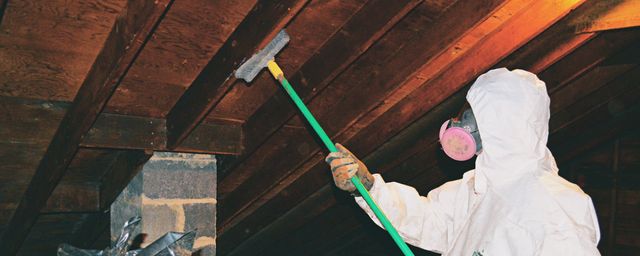
Attics
Attics often hide mold caused by:
- Condensation on roof decking
- Poor ventilation
- Minor roof leaks
Many homeowners are surprised to learn mold is present in the attic even when the living space looks fine.
HVAC Systems
Hidden mold frequently develops in:
- Air handlers
- Condensate drain pans
- Duct insulation
Once affected, HVAC systems can distribute mold spores throughout the home.
Under Flooring
Moisture trapped beneath:
- Laminate
- Carpet padding
- Vinyl flooring
can support mold growth without visible surface damage.
Inside Cabinets and Closets
Low airflow combined with cooler surfaces makes these spaces ideal for hidden moisture buildup.
Early Warning Signs Homeowners Notice
Hidden mold usually announces itself indirectly.
Odors
- Musty or earthy smells
- Odors strongest in the morning
- Smells that return after rain or AC cycles
Comfort or Air Quality Concerns
- Rooms that feel damp or stale
- Discomfort in specific areas of the home
- Odors coming from vents
Subtle Visual Clues
- Bubbling or peeling paint
- Minor staining near baseboards
- Condensation on vents or walls
These signs almost always point to moisture behind surfaces, not just surface mold.
Why Hidden Mold Often Goes Undetected
Hidden mold isn’t obvious because:
- It grows inside wall cavities and enclosed spaces
- It doesn’t always produce strong odors at first
- Surfaces may look clean and intact
- Homeowners focus on visible areas
By the time mold is visible, growth is often already established elsewhere.
Why DIY Checks Rarely Find Hidden Mold
DIY efforts usually focus on what you can see.
Common limitations include:
- No moisture detection tools
- No access to wall cavities or attic areas
- No HVAC inspection
- No way to measure hidden dampness
Spraying cleaners or repainting doesn’t reveal what’s happening behind the surface.
How Professional Mold Inspections Find Hidden Mold
A professional inspection is designed specifically to locate hidden moisture and growth.
Moisture Detection
Inspectors use specialized tools to identify:
- Damp drywall
- Moisture migration from slabs
- Wet insulation
- Condensation-prone areas
This often pinpoints problems before mold is visible.
Targeted Visual Inspection
Professionals inspect:
- AC systems and drain lines
- Attics and roof decking
- Exterior wall assemblies
- Closets, cabinets, and storage areas
These are known trouble spots in Indian River homes.
Odor Tracing
Persistent odors are tracked to their source instead of masked or ignored.
Testing When Appropriate
Mold testing may be recommended when:
- Mold is suspected but not visible
- Documentation is needed
- Post-remediation verification is required
Testing supports findings—it doesn’t replace moisture investigation.
Why Ignoring Hidden Mold Makes Things Worse
Left unaddressed, hidden mold often leads to:
- Growth spreading to additional areas
- Insulation becoming contaminated
- Odors circulating through HVAC systems
- More extensive remediation later
In Florida’s climate, damp materials rarely dry on their own.
Proper Remediation for Hidden Mold
When hidden mold is confirmed, remediation focuses on access, control, and prevention.
- Correct the moisture source
AC, roof, plumbing, or ventilation issues must be fixed first. - Contain affected areas
Barriers and air control prevent spores from spreading. - Remove contaminated materials
Porous materials are removed when they can’t be safely dried. - HEPA cleaning and air filtration
Surfaces and indoor air are cleaned professionally. - Drying and verification
Moisture levels are confirmed dry before repairs.
Skipping steps is the most common reason hidden mold returns.
Preventing Hidden Mold in Indian River Homes
Prevention focuses on moisture control and airflow.
Effective steps include:
- Keeping indoor humidity between 30–50%
- Running AC systems consistently
- Maintaining condensate drain lines
- Improving airflow in closets and cabinets
- Inspecting attics and baseboards seasonally
- Addressing water intrusion within 24–48 hours
Small adjustments can prevent large problems.
Why Local Experience Matters
Hidden mold behaves differently in Florida than in dry climates. Slab foundations, coastal humidity, and storm patterns all influence how moisture moves through homes.
A local company like Brevard Mold Inspections & Removal understands:
- Where hidden mold typically forms in Indian River homes
- How local construction traps moisture
- How to investigate without unnecessary demolition
Local experience helps identify problems accurately and efficiently.
A Calm, Practical Takeaway
Hidden mold in an Indian River home doesn’t mean something catastrophic is happening—but it does mean moisture needs attention.
If you’re dealing with musty odors, unexplained dampness, or recurring mold issues, a professional inspection can reveal what’s happening behind the scenes and guide the right solution.
Brevard Mold Inspections & Removal works with homeowners throughout Merritt Island and Brevard County to locate hidden mold responsibly and prevent it from returning.
In this climate, finding hidden mold early is one of the smartest steps a property owner can take.
