
Does Insurance Cover Mold in Sykes Creek: What Merritt Island Property Owners Should Know
Living near Sykes Creek offers beautiful water views and a relaxed coastal lifestyle, but it also comes with ongoing moisture challenges. Homes in this part of Merritt Island are constantly exposed to high humidity, salt air, frequent rain, and storm activity. These conditions make mold a common concern for homeowners and property managers alike.
When mold appears, one of the first questions property owners ask is whether insurance will cover the damage. The answer is often unclear and depends on several factors that are easy to misunderstand. Knowing how insurance companies typically handle mold claims in Sykes Creek helps property owners respond appropriately and avoid costly surprises.
How Insurance Policies Typically Treat Mold
In Florida, mold is rarely covered as a standalone issue. Most insurance policies focus on the cause of the moisture, not the mold itself. Mold coverage is usually tied to a covered water event, such as a sudden pipe burst or storm-related damage.
If mold develops because of a long-term issue — like ongoing humidity, poor ventilation, or delayed repairs — insurance companies often deny coverage. This distinction is especially important in Sykes Creek, where mold frequently develops gradually rather than from a single dramatic incident.
Understanding this difference helps property owners set realistic expectations before filing a claim.
Common Mold Scenarios in Sykes Creek Homes
Many mold issues near Sykes Creek start after heavy rain or storms. Wind-driven rain can enter through roof vulnerabilities, window seals, or exterior walls. Even small amounts of water can become trapped in wall cavities or attics, creating ideal conditions for mold growth.
Other common scenarios include AC condensation problems, leaking plumbing under slab foundations, or moisture buildup in air handler closets. Homes close to the creek often experience higher ambient moisture levels, which slows drying and allows mold to develop more easily.
In many cases, mold is discovered weeks or months after the original moisture event.
Why Mold Is So Common Near Sykes Creek
The environment around Sykes Creek plays a major role in mold development. Humidity levels remain elevated for much of the year, especially during warmer months. Moisture lingers longer than it would in drier climates, increasing the risk of mold growth.
The local water table is also high. After extended rain, moisture can migrate upward into slab foundations. This often leads to mold beneath flooring, behind baseboards, or in lower wall sections.
Salt air adds another layer of risk by accelerating corrosion in HVAC systems and metal components, increasing the likelihood of condensation and small failures that allow moisture intrusion.
Signs That Make Property Owners Ask About Insurance
Property owners often start thinking about insurance coverage when mold becomes visible or expensive to address.
Common warning signs include persistent musty odors, visible staining on drywall or ceilings, warped or buckling flooring, and damp insulation in attics. In some cases, mold is discovered during repairs following a storm or plumbing issue.
Once mold is noticeable, insurance companies often question how long the problem existed, which can affect coverage decisions.
Hidden Mold and Insurance Challenges
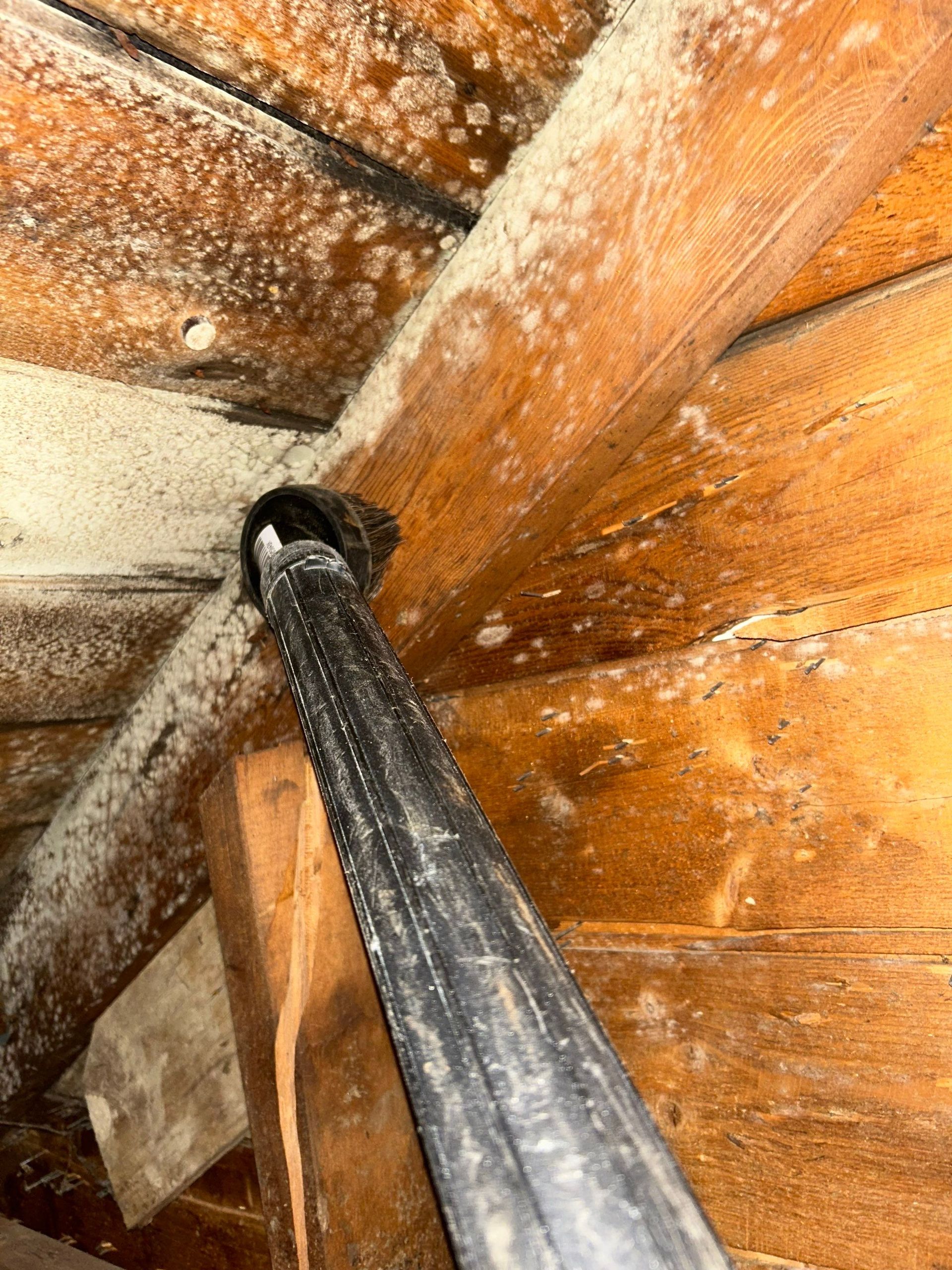
Mold in Sykes Creek homes frequently grows out of sight. Behind walls, under flooring, inside HVAC systems, and in attics are common problem areas.
Hidden mold complicates insurance claims because it can be difficult to determine when the damage began. Insurers may argue that mold developed slowly over time rather than as a result of a covered event.
Professional inspections that document moisture sources, damage patterns, and current conditions can help clarify timelines and support legitimate claims.
Why DIY Cleanup Can Hurt Insurance Claims
Some property owners attempt to clean mold themselves before contacting insurance. While this may seem practical, it can actually complicate claims.
Removing visible mold without documenting the damage may eliminate evidence needed to support coverage. Improper cleanup can also spread mold spores, increasing the overall scope of contamination.
Insurance companies generally prefer professional assessments and remediation records. DIY efforts rarely provide the level of documentation insurers expect.
The Importance of Mold Inspections for Claims
A professional mold inspection plays a key role when insurance is involved. Inspections help identify the extent of mold growth and, more importantly, the source of moisture.
Typical inspections include visual assessments, moisture readings inside walls and floors, and evaluation of HVAC systems. In some cases, air or surface sampling is used to confirm elevated mold levels.
For Sykes Creek properties, inspections often reveal links between storm exposure, humidity, and building design. This information is valuable when communicating with insurance adjusters.
Mold Remediation and Insurance Expectations
When insurance does apply, companies usually expect remediation to follow established industry practices. This includes containing affected areas, removing contaminated materials when necessary, and correcting the moisture problem that caused the mold.
In coastal areas like Sykes Creek, remediation often involves improving humidity control, addressing AC condensation, repairing exterior penetrations, and ensuring proper ventilation.
Mold Removal Merritt Island works with local property owners who need remediation approaches tailored to these coastal conditions and properly documented for insurance purposes.
Common Reasons Mold Claims Are Denied
Many mold claims are denied because insurers determine the damage resulted from long-term conditions rather than a covered event.
Common denial reasons include delayed reporting of leaks, evidence of ongoing moisture problems, lack of maintenance, or mold attributed solely to humidity. Insurance policies typically exclude mold caused by wear and tear or preventable conditions.
Knowing these reasons helps property owners focus on prevention and timely response.
How Property Owners Can Reduce Insurance Risk
Preventing mold is the most effective way to avoid insurance disputes. Regular inspections, prompt repairs, and moisture control are essential in Sykes Creek homes.
Property owners should inspect roofs and windows after storms, maintain HVAC systems, and monitor indoor humidity levels. Addressing even small leaks quickly can prevent mold from developing into a larger, uncovered issue.
Keeping records of maintenance and repairs also helps demonstrate responsible ownership if questions arise later.
Why Local Experience Matters
Mold behavior near Sykes Creek is shaped by coastal humidity, salt air, and frequent storms. Professionals unfamiliar with these conditions may overlook important contributors.
Local experience means understanding how moisture moves through slab foundations, where condensation forms in waterfront homes, and how storms affect older construction. This leads to more accurate assessments and practical solutions.
A Practical Way to Approach Mold and Insurance
Mold and insurance questions do not have to feel overwhelming. Understanding how policies view mold, acting quickly when moisture issues arise, and working with knowledgeable local professionals makes the process clearer.
Treating mold as a moisture and maintenance issue — rather than a crisis — helps protect both property and peace of mind. When uncertainty exists, a professional evaluation can clarify whether insurance involvement makes sense and what steps to take next.
Mold Removal Merritt Island is familiar with the specific mold challenges faced by homes near Sykes Creek and across Merritt Island, helping property owners navigate these situations with clarity and local insight.
