
DIY Mold Removal Risks in Banana River: What Merritt Island Property Owners Should Know
Living along the Banana River offers water views, breezes, and a laid-back coastal lifestyle. It also brings constant moisture challenges that many property owners underestimate. High humidity, salt air, frequent storms, and a high water table create ideal conditions for mold growth, even in well-maintained homes. Because mold often appears small at first, many Merritt Island property owners try to handle it themselves.
DIY mold removal may seem harmless, especially when the growth looks limited. In Banana River homes, however, surface-level mold is often only a small part of a much larger moisture issue. Understanding the risks of do-it-yourself mold cleanup helps property owners avoid making problems worse, protect their homes, and prevent repeated mold issues.
What DIY Mold Removal Usually Looks Like
Most DIY mold removal attempts start with visible growth. Property owners notice discoloration on drywall, baseboards, or around AC vents and reach for household cleaners or bleach. The area is wiped down, the surface looks cleaner, and the problem seems solved.
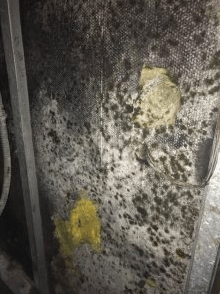
In coastal homes near the Banana River, this approach is rarely enough. Mold often grows where moisture lingers out of sight. What appears on the surface may be only a small indicator of a larger issue behind walls, under flooring, or inside HVAC systems.
DIY cleanup usually focuses on appearance, not moisture control, which is the real driver of mold growth.
Why Banana River Homes Are Especially Vulnerable
Homes near the Banana River face environmental conditions that make mold more persistent. Humidity stays high most of the year, slowing evaporation and allowing damp materials to remain wet longer. Even minor condensation can create the right environment for mold to grow.
Salt air accelerates corrosion in HVAC components and metal fasteners, increasing the likelihood of condensation issues and small system failures. The high water table common in Merritt Island can also allow ground moisture to migrate into slab foundations after heavy rain.
These factors mean mold often returns after DIY cleaning because the underlying conditions were never corrected.
The Hidden Mold Problem DIY Methods Miss
One of the biggest risks of DIY mold removal is what remains unseen. Mold frequently grows behind drywall, under vinyl plank or tile flooring, inside wall cavities, and in attics with damp insulation.
In Banana River properties, moisture intrusion from storms or persistent humidity can remain trapped for weeks or months. Cleaning visible mold without addressing these hidden areas allows growth to continue quietly.
Property owners may believe the problem is resolved until musty odors return or new staining appears elsewhere in the home.
How DIY Cleanup Can Spread Mold
Mold spores are lightweight and easily disturbed. Scrubbing, wiping, or sanding moldy surfaces without proper containment can release spores into the air.
In homes with central air systems, those spores can be drawn into ductwork and redistributed throughout the property. What started as a small area can quickly turn into a whole-house issue.
DIY methods often lack proper filtration or containment, increasing the chance that mold spreads rather than being removed.
Why Bleach and Store-Bought Cleaners Fall Short
Bleach is one of the most commonly used DIY mold treatments, but it is often misunderstood. While bleach can remove surface staining, it does not penetrate porous materials like drywall, wood, or insulation.
In humid environments like Banana River, bleach can actually leave behind moisture that encourages mold to return. The surface may look clean, but mold roots can remain embedded beneath.
Store-bought mold sprays often have similar limitations. They may improve appearance temporarily without solving the moisture problem that allowed mold to grow in the first place.
Structural and Material Damage Risks
DIY mold removal can also cause unintended damage to building materials. Excessive scrubbing or repeated wet cleaning can weaken drywall, damage finishes, and compromise insulation.
In slab foundation homes common near the Banana River, improper drying after cleaning can push moisture deeper into flooring systems. This increases the likelihood of mold regrowth beneath the surface.
Over time, repeated DIY attempts can lead to larger areas of damage that require more extensive repairs.
Health and Occupancy Concerns for Property Owners
While mold removal is primarily a building maintenance issue, improper handling can affect indoor air quality. Disturbing mold without proper precautions can increase airborne spores inside the home.
For rental properties or shared living spaces, this can lead to occupant discomfort and complaints. Property owners may face repeated concerns even after multiple DIY cleanups.
Professional approaches focus on minimizing disruption and controlling airborne spread, which DIY methods rarely achieve.
The Importance of Proper Mold Inspection
Before mold can be effectively removed, the source of moisture must be identified. In Banana River homes, this often involves more than a quick visual check.
A proper inspection includes evaluating HVAC systems, checking moisture levels inside walls and floors, assessing attic ventilation, and reviewing any history of leaks or storm exposure. This step is critical to understanding why mold developed.
Without inspection, DIY efforts are based on guesswork rather than facts.
What Professional Mold Remediation Does Differently
Professional mold remediation focuses on both removal and prevention. A structured process typically includes isolating affected areas, using appropriate filtration, removing contaminated materials when necessary, and thoroughly drying the space.
Just as important, professionals address the moisture source. This may involve correcting AC condensation issues, improving ventilation, sealing exterior penetrations, or addressing slab moisture intrusion.
In Banana River homes, these steps are essential to prevent mold from returning.
Why DIY Often Costs More in the Long Run
DIY mold removal may seem cost-effective at first, but repeated cleanups, hidden damage, and recurring mold often lead to higher long-term expenses.
When mold spreads or persists, remediation becomes more extensive. Flooring, drywall, or insulation may need to be removed and replaced. What could have been addressed early becomes a larger project.
Addressing mold correctly the first time usually reduces overall costs and disruption.
Preventing Mold in Banana River Properties
Prevention is the most effective way to avoid mold problems and the temptation of DIY fixes. Coastal-specific strategies make a significant difference.
Regular HVAC maintenance helps control humidity. Ensuring bathrooms and kitchens are properly ventilated reduces moisture buildup. Inspecting homes after major storms and checking attics and AC closets during humid months helps catch problems early.
For properties close to the Banana River, monitoring indoor humidity and addressing small leaks promptly can prevent mold from developing at all.
Why Local Experience Matters
Mold behaves differently in coastal environments than it does inland. Professionals familiar with Merritt Island understand how humidity, salt air, and building styles interact.
Local experience means knowing where mold commonly hides in slab homes, how storms impact roofing systems, and why certain DIY methods consistently fail in this environment. This knowledge leads to more accurate solutions and fewer repeat issues.
Mold Removal Merritt Island works with Banana River property owners who need remediation approaches tailored to these coastal conditions.
A Smarter Approach for Property Owners
DIY mold removal often creates a false sense of resolution while allowing underlying problems to continue. In Banana River homes, mold is rarely just a surface issue.
A calm, informed approach starts with understanding moisture sources, addressing them properly, and using remediation methods that prevent spread and recurrence. When mold appears, treating it as a building maintenance issue rather than a cosmetic problem protects both the property and the people living in it.
When uncertainty exists, a professional evaluation provides clarity and helps property owners make decisions based on facts, not guesswork.
