
Commercial Mold Remediation in Indian River: What Merritt Island Property Owners Should Know
Commercial properties along the Indian River serve an important role in Merritt Island’s business community. Office buildings, retail centers, service businesses, medical suites, and mixed-use facilities support both local residents and visitors across Brevard County. Maintaining these properties in good condition is critical for tenant satisfaction and long-term investment value.
However, buildings near waterways face ongoing moisture challenges. High humidity, seasonal storms, and continuous air conditioning use create conditions where mold can develop when moisture problems are not corrected quickly. When mold spreads inside commercial buildings, it can disrupt operations, damage materials, and create tenant concerns.
Why Commercial Buildings Near Indian River Face Mold Challenges
Indian River commercial properties experience environmental conditions that naturally increase moisture exposure.
Common contributing factors include:
• High coastal humidity throughout the year
• Frequent summer rainstorms and tropical weather systems
• Hurricane-related water intrusion risks
• Waterfront air bringing moisture inland
• High groundwater levels in some areas
• Continuous HVAC operation producing condensation
Commercial buildings also have large roof surfaces, multiple tenant spaces, and complex HVAC systems. Small leaks or condensation problems sometimes affect large areas before being detected.
If moisture remains trapped, mold growth may begin behind walls, above ceilings, or within ventilation systems.
How Mold Develops in Commercial Spaces
Mold spores exist naturally in both indoor and outdoor air. Problems begin when spores land on damp materials and begin growing.
In commercial buildings, mold commonly grows on:
• Drywall and painted surfaces
• Ceiling tiles and insulation
• Carpeting and flooring materials
• Wood cabinets and fixtures
• Stored materials and packaging
Moisture often enters buildings through roof leaks, plumbing problems, HVAC condensation, or storm damage. Once moisture remains in materials, mold colonies can begin growing rapidly in Florida’s warm climate.
Because commercial buildings often use suspended ceilings and hidden wall cavities, mold may spread extensively before becoming visible.
Signs Commercial Mold Remediation May Be Needed
Property owners or tenants often first notice mold issues through subtle warning signs.
Common indicators include:
• Musty or damp odors in tenant spaces
• Repeated ceiling tile staining
• Visible mold spots on walls or ceilings
• Persistent humidity complaints
• Warped flooring or damaged drywall
• Past flooding or water intrusion events
Sometimes tenants report discomfort or odors long before visible damage appears.
Early inspections help prevent mold from spreading further.
Areas Commonly Affected in Commercial Buildings
Mold contamination often develops in areas with hidden moisture exposure.
Common commercial problem areas include:
• Ceiling spaces beneath roof leaks
• HVAC systems and ductwork
• Restrooms and plumbing areas
• Break rooms and kitchens
• Storage rooms and stock areas
• Utility and mechanical rooms
• Walls near exterior entrances or windows
Leaks above drop ceilings are particularly common in commercial spaces. Mold sometimes spreads extensively before ceiling tiles show visible damage.
Why Immediate Action Matters
When mold is discovered, delays often lead to larger problems.
Moisture problems left unresolved can result in:
• Mold spreading behind walls
• Structural material damage
• Tenant dissatisfaction
• Business interruptions
• Increased repair costs
Early remediation helps limit contamination and protect tenant operations.
Fast response reduces long-term disruption.
What Happens During Commercial Mold Remediation
Professional commercial mold remediation follows structured steps designed to remove contamination while minimizing business disruption.
Inspection and Damage Assessment
Professionals first determine how widespread contamination is and identify moisture sources causing mold growth.
Inspection results guide remediation planning.
Containment of Affected Areas
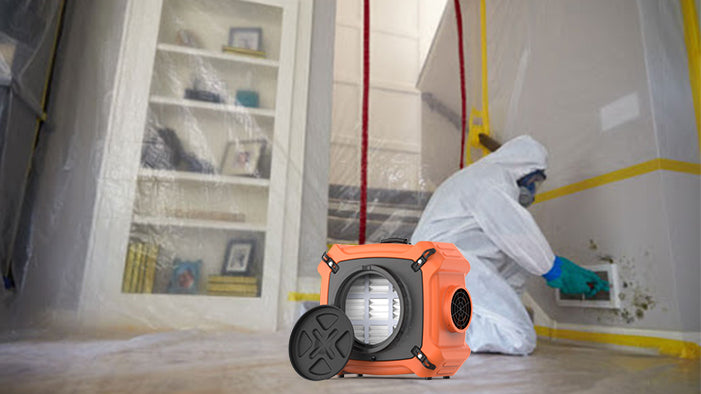
Containment barriers are installed to prevent mold spores from spreading into unaffected parts of the building during removal.
Negative air pressure systems may be used to control airflow.
HEPA Air Filtration
Air scrubbers equipped with HEPA filters capture airborne mold spores and improve indoor air quality during remediation.
This step protects both workers and tenants.
Removal of Mold-Damaged Materials
Porous materials affected by mold, such as drywall or insulation, are safely removed and disposed of.
Materials that can be cleaned are treated using specialized techniques.
Cleaning and Sanitizing Surrounding Areas
Surfaces surrounding contaminated areas are cleaned to remove settled spores and prevent regrowth.
This step ensures mold does not spread further.
Moisture Source Correction
Correcting moisture sources is essential. This may involve roof repairs, plumbing fixes, HVAC adjustments, or improved ventilation.
Without moisture correction, mold often returns.
Final Drying and Verification
Areas are dried thoroughly and inspected to confirm contamination has been removed.
Some property owners choose post-remediation verification testing for peace of mind.
How Remediation Is Managed in Occupied Buildings
Commercial remediation often occurs while tenants remain in operation.
To minimize disruption, remediation may be:
• Scheduled after business hours
• Completed in phases
• Limited to contained areas
• Coordinated with tenant operations
Professional teams work with property managers to reduce impact on daily operations whenever possible.
Why DIY Cleanup Isn’t Recommended for Commercial Spaces
Some property managers attempt small cleanup efforts themselves, but commercial mold contamination often requires specialized equipment.
DIY efforts may:
• Spread spores into additional areas
• Leave hidden contamination untreated
• Fail to correct moisture causes
• Lead to recurring mold problems
Professional remediation ensures proper containment and moisture correction.
Preventing Mold Problems After Remediation
Prevention remains critical after remediation is completed.
Helpful prevention steps include:
• Routine roof inspections
• Regular HVAC maintenance
• Cleaning AC drain lines and pans
• Monitoring humidity levels indoors
• Repairing leaks immediately
• Inspecting buildings after storms
• Improving ventilation in storage areas
Regular building checks help catch problems early.
Preventive maintenance reduces long-term repair costs.
Why Local Experience Matters for Commercial Remediation
Commercial buildings across Merritt Island vary in construction style and exposure to coastal weather.
Professionals familiar with Indian River properties understand:
• Waterfront humidity patterns
• Storm-related moisture risks
• Ventilation challenges in coastal buildings
• Construction differences across commercial properties
Local experience allows faster diagnosis and tailored solutions suited to island conditions.
Teams experienced with Merritt Island buildings often identify moisture problems more quickly than contractors unfamiliar with coastal environments.
Protecting Long-Term Property Value
Commercial buildings represent significant investments, and maintaining building condition protects rental income and resale value.
Addressing mold concerns early helps:
• Maintain tenant satisfaction
• Prevent structural damage
• Reduce long-term repair expenses
• Minimize business disruption
• Preserve property reputation
Preventive care supports long-term investment success.
A Practical Next Step for Property Owners
If tenants have reported musty odors, recurring ceiling stains, or moisture concerns, scheduling a professional commercial mold inspection can determine whether remediation is needed.
Early action usually keeps remediation manageable and prevents disruption to tenant operations. Correcting moisture problems protects both rental income and long-term property value.
With proper inspection and remediation planning, Indian River commercial property owners can maintain safe and comfortable environments while avoiding recurring mold concerns.
Taking proactive action today helps keep commercial buildings operating smoothly in Merritt Island’s humid coastal climate.
Image Generation Prompts
- Commercial mold remediation containment setup inside Florida office building, clean professional environment, no people, logos, or text.
- HEPA air scrubber operating during mold remediation in coastal Florida commercial property, uncluttered interior, realistic lighting, no branding or people.
