
Commercial Mold Inspections in Indian River: What Merritt Island Property Owners Should Know
Commercial Mold Inspections in Indian River: What Merritt Island Property Owners Should Know
Commercial properties near the Indian River operate in one of the most moisture-heavy environments in Brevard County. Offices, retail spaces, medical buildings, warehouses, and mixed-use properties all face a common challenge: persistent humidity combined with complex building systems. In these conditions, mold issues often develop quietly — and by the time they’re visible, they’ve usually been present for a while.
For Merritt Island property owners, commercial mold inspections aren’t just reactive tools. They’re a proactive way to protect tenants, operations, and long-term property value in a coastal, river-adjacent environment where moisture behaves differently than inland Florida.
Why Commercial Properties Near the Indian River Need Mold Inspections
The Indian River creates constant environmental pressure on buildings.
- Year-round elevated humidity
- High water tables affecting slab foundations
- Storm-driven rain intrusion
- Salt air degrading seals and exterior materials
- Warm temperatures that support mold growth
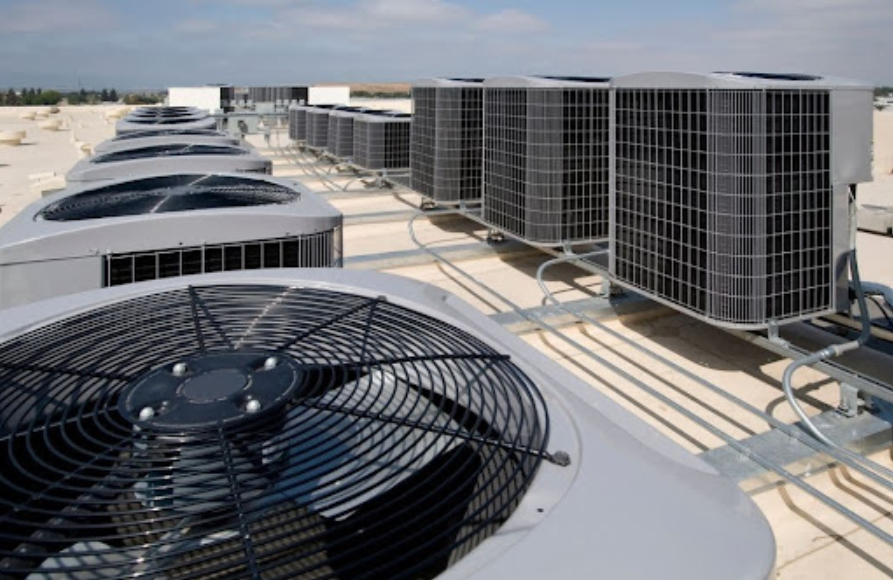
Commercial buildings amplify these risks through large HVAC systems, variable occupancy, and spaces that aren’t monitored daily. Inspections help identify hidden moisture problems before they disrupt business operations.
What Makes Commercial Mold Different From Residential Mold
Commercial mold issues tend to be more complex and widespread.
- Larger square footage allows mold to spread unnoticed
- HVAC systems circulate air across multiple rooms or units
- Moisture issues often originate above ceilings or below floors
- Occupancy schedules allow humidity to rise after hours
- Early warning signs are easy to miss in busy environments
Because of this, commercial mold inspections focus on systems and patterns, not just visible growth.
When Commercial Mold Inspections Are Especially Important
Certain situations should always trigger an inspection in Indian River commercial properties.
- After heavy rain or storms
- Following roof or plumbing repairs
- When musty odors persist
- If tenants complain about indoor air quality
- Before buying or leasing a property
- After prolonged vacancy or reduced HVAC use
- When mold keeps returning in the same areas
Inspections at the right time often prevent major remediation later.
Where Inspectors Commonly Find Mold in Commercial Buildings
Mold rarely starts in obvious places.
HVAC systems
Air handlers, coils, drain pans, and ductwork generate condensation. Mold here can affect entire buildings.
Ceiling and plenum spaces
Leaks, condensation, or humid air trapped above drop ceilings often go unnoticed.
Lower walls and slab-level areas
High water tables near the Indian River allow moisture vapor to migrate upward into drywall and finishes.
Storage and back-of-house spaces
Limited airflow and infrequent inspection make these ideal mold environments.
Exterior-facing walls
Wind-driven rain and salt air increase intrusion risk.
What a Commercial Mold Inspection Actually Involves
A proper inspection is far more than a visual walkthrough.
It typically includes:
- Visual assessment of affected and adjacent areas
- Moisture detection at walls, floors, and ceilings
- HVAC and ductwork evaluation
- Inspection above ceilings and behind access panels
- Identification of intrusion points and condensation sources
- Determining whether testing is necessary
The goal is to understand why mold is present or likely to develop, not just where it’s visible.
Mold Testing vs. Mold Inspection in Commercial Properties
Inspections and testing serve different purposes.
Inspection
- Identifies moisture sources and risk areas
- Determines the scope of a problem
- Guides remediation decisions
Testing
- Used selectively when needed
- Helps confirm airborne or surface contamination
- Useful for documentation or post-remediation verification
Not every inspection requires testing, but testing without inspection often misses the root cause.
Why Commercial Mold Is Often Misdiagnosed
Many commercial mold problems are incorrectly attributed to cleaning, maintenance, or HVAC performance alone.
- Odors are blamed on ventilation issues
- Condensation is dismissed as normal
- Surface mold is cleaned without investigating moisture
- Repeated problems are treated as isolated incidents
Inspections reveal patterns that explain why mold keeps returning.
Why DIY or Limited Inspections Don’t Work Commercially
Commercial buildings require a broader evaluation.
- Hidden mold remains undetected
- HVAC contamination continues spreading spores
- Moisture sources aren’t corrected
- Mold returns, often more widespread
In commercial settings, incomplete inspections usually lead to greater disruption later.
How Inspections Help Protect Tenants and Operations
A thorough mold inspection allows property owners to:
- Address issues before tenants are affected
- Plan remediation with minimal downtime
- Schedule work after hours or in phases
- Document building conditions accurately
- Prevent emergency closures
This proactive approach protects both relationships and revenue.
Why Local Indian River Experience Matters
Commercial mold behaves differently near waterways. Local experience matters because professionals understand:
- Baseline humidity near the Indian River
- High water table effects on slab foundations
- Storm-driven intrusion patterns
- HVAC condensation behavior in coastal buildings
- Construction styles common in Merritt Island commercial properties
Mold Removal Merritt Island applies this local knowledge to commercial inspections, helping owners get accurate answers instead of generic recommendations.
A Practical Takeaway for Property Owners
Commercial mold inspections in Indian River properties aren’t just about identifying mold — they’re about understanding moisture behavior in a coastal, high-humidity environment. The biggest risks come from hidden growth, HVAC involvement, and delayed response, not visible surface spots.
For Merritt Island property owners, regular inspections, especially after storms or before major transactions, are one of the most effective ways to protect buildings, tenants, and long-term value in an area where moisture is always part of the equation.
