Mold in Retail Spaces in Banana River: What Merritt Island Property Owners Should Know
Retail spaces along the Banana River enjoy steady foot traffic, strong visibility, and a desirable coastal location — but they also face unique mold challenges that many property owners underestimate. Between constant humidity, nearby waterways, storm exposure, and buildings that open and close daily, retail properties in Merritt Island experience moisture patterns that allow mold to develop quietly and spread before it’s noticed.
For retail property owners, mold isn’t just a building issue. It can affect customer experience, tenant satisfaction, operating hours, and long-term property value. Understanding why mold develops in retail spaces, where it hides, and how it should be addressed helps prevent costly disruptions in a high-visibility environment.
Why Retail Spaces Near the Banana River Are Vulnerable
Retail buildings combine coastal exposure with operational factors that increase mold risk.
- Constant coastal humidity from the Banana River and surrounding lagoons
- Frequent door openings that allow humid air to enter throughout the day
- HVAC systems cycling on business schedules, not continuously
- Storm-driven rain affecting storefronts, roofs, and signage penetrations
- High water tables impacting slab foundations and lower walls
- Salt air degrading seals, flashing, and exterior materials over time
Even newer retail buildings can develop mold if moisture control slips slightly.
Where Mold Commonly Develops in Retail Properties
Mold in retail spaces rarely starts on sales floors. It usually begins in hidden or secondary areas.
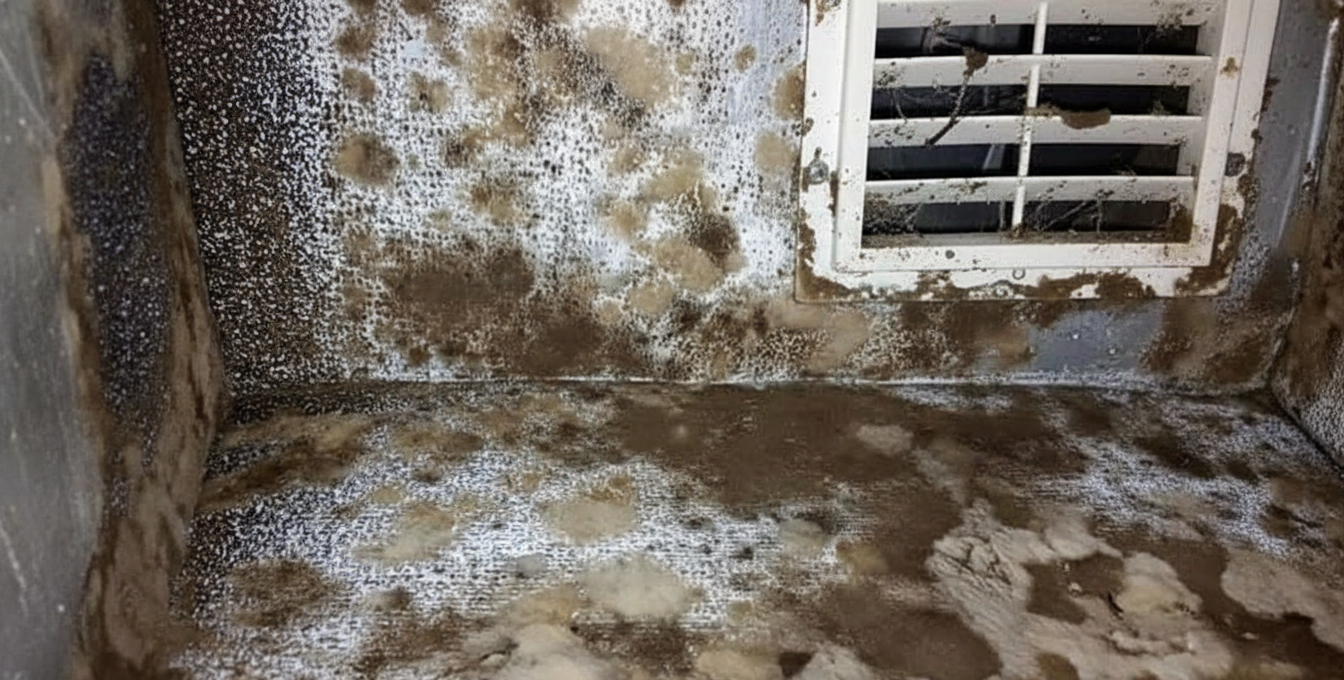
HVAC systems
Condensation in air handlers, coils, drain pans, and ductwork can spread spores throughout the space once the system runs.
Behind storefront walls and displays
Exterior-facing walls absorb moisture from wind-driven rain and humid air, especially behind shelving and signage.
Ceilings and plenum spaces
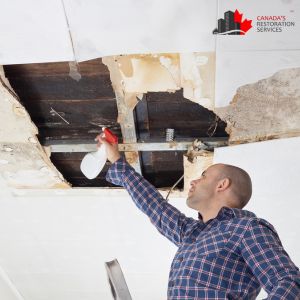
Leaks above drop ceilings or condensation from rooftop units often go unnoticed until stains or odors appear.
Lower walls and baseboards
High water tables allow moisture to wick upward from slabs, affecting drywall near the floor.
Stock rooms and back-of-house areas
Limited airflow and stored materials create ideal conditions for mold growth.
Early Warning Signs Retail Owners Should Watch For
Retail mold problems often announce themselves subtly before becoming visible.
- Musty or stale odors, especially when opening the store
- Condensation near vents or storefront windows
- Ceiling tile staining or warping
- Peeling paint or bubbling drywall near floors
- Recurring mold in the same areas after rain
- Customer or employee comments about air quality
Because retail spaces are open to the public, early detection is critical.
Why Mold in Retail Spaces Escalates Quickly
Retail environments amplify mold issues because:
- HVAC systems distribute air throughout open spaces
- Humid air enters repeatedly through doors
- Display fixtures block airflow against walls
- Moisture issues are often mistaken for cleaning problems
Once mold affects air quality or becomes visible, the impact on customers and tenants can be immediate.
Why DIY or “Quick Fix” Mold Cleanup Fails in Retail Settings
Surface cleaning might improve appearance temporarily, but it rarely solves the problem.
- Hidden growth behind walls and ceilings remains
- HVAC contamination continues spreading spores
- Moisture sources aren’t corrected
- Mold often returns during the next humidity spike or storm
In retail spaces, incomplete solutions usually lead to bigger disruptions later, often during peak business hours.
The Role of Professional Mold Inspections in Retail Properties
Professional inspections focus on building systems and moisture behavior, not just visible mold.
Retail mold inspections typically include:
- Moisture readings at slab and wall levels
- HVAC and ductwork evaluation
- Ceiling and plenum inspections
- Exterior wall and roof penetration checks
- Identification of storm-related intrusion points
Mold Removal Merritt Island frequently finds retail mold issues tied to HVAC condensation, storefront intrusion, and slab-level moisture, not isolated incidents.
Mold Cleanup vs. Mold Remediation in Retail Spaces
Understanding the difference protects both operations and value.
Cleanup
- Cosmetic only
- Treats visible mold
- No containment
- No moisture correction
- High recurrence risk
Remediation
- Removes visible and hidden mold
- Uses containment and HEPA filtration
- Corrects moisture sources
- Designed for long-term control
Most retail mold issues in Banana River locations require full remediation, not simple cleanup.
Containment and Scheduling in Active Retail Environments
Professional remediation minimizes disruption to business.
- Containment barriers isolate work areas
- Negative air pressure prevents spore spread
- After-hours or phased scheduling protects operating hours
- Clear documentation supports tenant communication
This approach helps keep stores open whenever possible.
How Mold Affects Retail Tenants and Revenue
Mold problems can quickly impact business performance.
- Reduced customer comfort
- Negative reviews or complaints
- Temporary closures during remediation
- Tenant dissatisfaction or lease disputes
- Increased long-term maintenance costs
Addressing mold early protects both revenue and tenant relationships.
Preventing Mold in Banana River Retail Spaces
Prevention focuses on consistent moisture management.
- Maintain steady HVAC operation; avoid extreme setbacks
- Keep condensate drain lines clear
- Monitor indoor humidity levels
- Inspect storefront walls and ceilings after storms
- Ensure roof penetrations and signage mounts are sealed
- Keep stock rooms ventilated and organized
- Schedule routine inspections in humid seasons
Proactive maintenance is far less disruptive than emergency remediation.
Why Local Banana River Experience Matters
Retail mold must be evaluated within local environmental context. Local experience matters because professionals understand:
- Coastal humidity patterns near the Banana River
- High water table behavior in slab-built retail spaces
- Storm-driven rain intrusion at storefronts
- HVAC condensation patterns common in retail layouts
- Construction styles typical of Merritt Island retail properties
Mold Removal Merritt Island applies this local knowledge to recommend solutions that hold up in a coastal, high-traffic retail environment.
A Practical Takeaway for Property Owners
Mold in retail spaces in Banana River isn’t unusual — but it can’t be handled casually. The biggest risks come from hidden growth, HVAC involvement, and delayed response that affects customers and tenants.
For Merritt Island property owners, early inspection, professional remediation when needed, and consistent moisture management protect retail operations, tenant satisfaction, and long-term property value in an environment where humidity and water are always present.
Image Generation Prompts