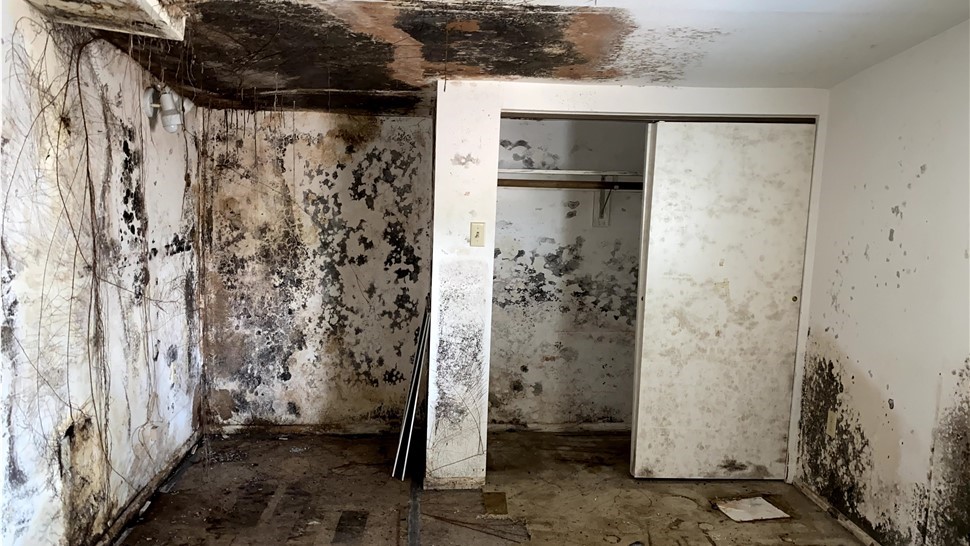
Coastal Humidity Mold Issues in North Merritt Island: What Merritt Island Property Owners Should Know
North Merritt Island sits in a uniquely humid coastal pocket of Brevard County. With close proximity to the Indian River, nearby waterways, and constant coastal air movement, homes here experience persistent humidity levels that rarely drop low enough to fully dry out building materials. Over time, that moisture becomes one of the biggest drivers of mold problems in the area.
Unlike mold caused by obvious flooding or plumbing failures, humidity-driven mold develops quietly. Many North Merritt Island property owners don’t realize there’s a problem until musty odors appear, indoor air feels heavy, or flooring and walls start showing subtle changes. Understanding how coastal humidity affects homes is essential for early detection and long-term prevention.
Why Coastal Humidity Is a Constant Issue in North Merritt Island
Humidity in North Merritt Island isn’t seasonal—it’s structural. The surrounding water bodies keep moisture levels elevated year-round, even during cooler months.
Several local factors contribute:
- Constant evaporation from nearby rivers and lagoons
- Warm temperatures that hold moisture in the air
- Limited nighttime drying due to coastal breezes
- High water tables affecting slabs and foundations
Even well-maintained homes can struggle to keep indoor humidity at safe levels when outdoor moisture never truly lets up.
How High Humidity Turns Into Mold Growth
Mold spores are always present in the air. What they need to grow is consistent moisture, and coastal humidity provides exactly that.
When indoor humidity stays above safe thresholds:
- Moisture condenses on cooler surfaces
- Building materials slowly absorb dampness
- Insulation loses its ability to regulate temperature
- Air circulation becomes less effective
Once materials like drywall, wood, dust, or insulation remain damp long enough, mold begins to grow—often out of sight.
Areas Most Affected by Humidity-Driven Mold
In North Merritt Island homes, mold linked to humidity tends to appear in predictable locations.
Attics
Warm, humid air rises and collects in attic spaces, especially when ventilation is insufficient. Mold often develops on roof decking and trusses.
HVAC systems
Air handlers, ductwork, and vents are prime areas for condensation-related mold when systems run constantly in humid conditions.
Exterior-facing walls
Walls exposed to coastal air can trap moisture inside cavities, especially in older construction.
Under flooring
Moisture migrating through slabs or trapped beneath flooring materials supports hidden mold growth.
Closets and low-airflow rooms
Spaces with limited circulation stay damp longer, making them vulnerable to mold.
Common Signs Homeowners in North Merritt Island Notice
Humidity-related mold issues often start with subtle changes rather than visible growth.
Property owners commonly report:
- Persistent musty or earthy odors
- Indoor air that feels damp or heavy
- Condensation on vents or windows
- Peeling paint or bubbling drywall
- Floors that feel cool or slightly spongy
Because these signs can feel “normal” for coastal living, mold problems are often overlooked.
Hidden Moisture Sources Fueled by Coastal Humidity
Even without leaks, humidity alone can supply enough moisture for mold growth.
Hidden contributors include:
- AC systems oversized or undersized for humidity control
- Inadequate attic ventilation
- Poor air circulation in certain rooms
- Damp insulation that never fully dries
- Moisture wicking upward through slabs
In North Merritt Island, it’s common for multiple small moisture sources to combine into a larger mold issue.
Why Dehumidifiers and DIY Fixes Often Fall Short
Portable dehumidifiers can help temporarily, but they rarely solve whole-home humidity problems on their own.
DIY approaches often fail because:
- They don’t address moisture inside walls or attics
- HVAC systems may still be producing condensation
- Hidden mold continues growing out of sight
- Underlying airflow or insulation issues remain
Humidity-driven mold requires a whole-system approach, not just surface-level fixes.
How Professional Mold Inspection Evaluates Humidity Issues
Professional mold inspections in North Merritt Island look beyond visible mold and focus heavily on moisture behavior.
A thorough inspection may include:
- Measuring indoor humidity levels throughout the home
- Moisture mapping of walls, ceilings, and floors
- Evaluating attic ventilation and insulation conditions
- Assessing HVAC performance and condensate management
- Air or surface sampling when conditions justify it
The goal is to understand why moisture isn’t leaving the home, not just where mold is present.
Proper Mold Removal in Humidity-Affected Homes
Effective mold remediation starts with controlling moisture.
A professional remediation process typically involves:
- Containment to prevent spore spread
- Safe removal of contaminated materials
- Thorough drying and dehumidification
- Addressing airflow, insulation, or HVAC issues
- Verifying moisture levels are back within safe ranges
Without correcting humidity control, mold will often return—even after removal.
Preventing Mold Caused by Coastal Humidity
Prevention is especially important in North Merritt Island due to constant moisture exposure.
Helpful prevention steps include:
- Keeping indoor humidity below 55%
- Ensuring AC systems are properly sized and maintained
- Improving attic ventilation and insulation
- Sealing exterior wall penetrations
- Monitoring humidity after storms or heavy rain
Regular evaluations help catch moisture issues before mold develops.
Why Local Merritt Island Experience Matters
Homes in North Merritt Island face different humidity patterns than inland Brevard County properties. Local experience matters because:
- Coastal airflow behaves differently near waterways
- Humidity levels stay elevated year-round
- Older homes have unique ventilation challenges
- Slab and attic conditions vary by neighborhood
Mold Removal Merritt Island understands how coastal humidity impacts local homes and approaches inspections with these conditions in mind.
A Practical, Calm Next Step
If your North Merritt Island home feels persistently humid, smells musty, or shows signs of moisture stress, it’s worth having the situation evaluated. Humidity-driven mold rarely resolves on its own in coastal environments, but early assessment can prevent extensive damage.
A professional inspection focused on moisture behavior and indoor humidity can provide clarity and help protect your property long term.