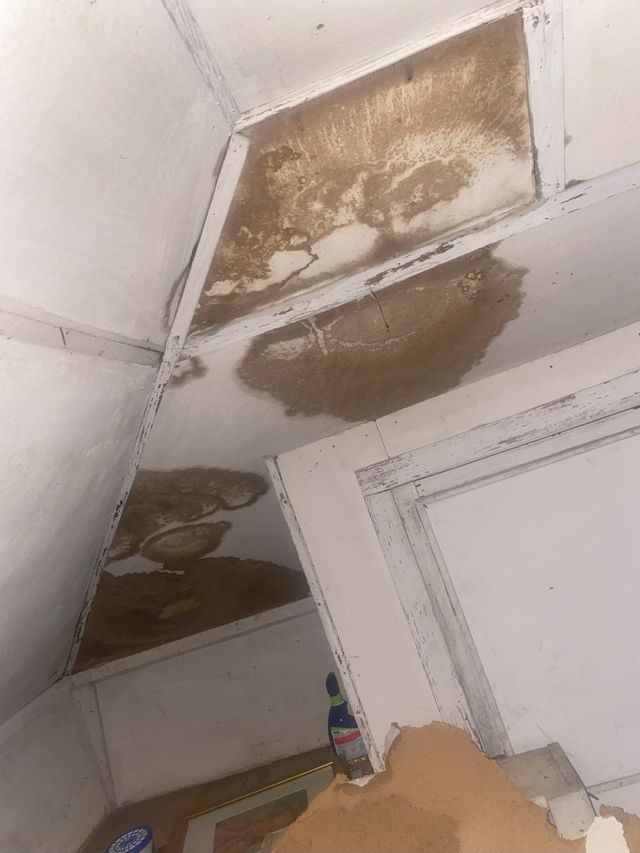
Salt Air and Mold Growth in Merritt Island: What Merritt Island Property Owners Should Know
Living in Merritt Island means living close to the water—and that comes with salt air. While ocean and river breezes feel refreshing, salt in the air plays a major role in accelerating mold growth inside homes, especially along the Banana River and Indian River corridors.
Many property owners are surprised to learn that mold problems in Merritt Island aren’t always caused by obvious leaks or flooding. In many cases, salt air quietly damages building materials and mechanical systems, creating moisture conditions that allow mold to grow behind the scenes. Understanding how salt air affects homes is key to preventing long-term issues.
Why Salt Air Is a Serious Mold Trigger in Merritt Island
Salt air is more than just humid air—it carries fine salt particles that settle on homes day after day. Over time, this constant exposure affects both exterior and interior components.
Salt accelerates corrosion in:
- HVAC coils and drain pans
- Metal ductwork and fasteners
- Plumbing connections
- AC condensate lines
As these systems corrode, they become more prone to condensation, leaks, and drainage failures. Even minor moisture issues—when combined with Merritt Island’s naturally high humidity—can create ideal mold conditions.
How Salt Air Leads to Hidden Moisture Problems
One of the biggest dangers of salt air is that it causes slow, invisible moisture buildup.
Common ways this happens include:
- Corroded AC components producing excess condensation
- Salt buildup restricting condensate drain lines
- Moisture collecting inside wall cavities near exterior walls
- Damp insulation absorbing humid, salty air
Because these problems develop gradually, mold often grows long before homeowners notice any warning signs.
Areas Most Affected by Salt-Air-Related Mold
In Merritt Island homes, mold linked to salt air tends to appear in specific locations.
HVAC systems
Air handlers, coils, and ductwork are constantly exposed to humid, salty air. Mold growth inside HVAC systems can spread spores throughout the home.
Attics
Salt-laden air entering attic spaces can condense on cooler roof decking, especially when ventilation is poor.
Exterior-facing walls
Walls exposed to coastal winds absorb moisture more easily, particularly in older homes or those with aging siding and seals.
Under flooring
Moisture migrating through slabs or settling beneath flooring can support mold growth that remains hidden for months.
Signs Salt Air May Be Contributing to Mold Growth
Salt-air-related mold problems often show up subtly at first.
Property owners commonly notice:
- Persistent musty odors near vents or exterior walls
- Rust or corrosion around AC components
- Indoor humidity that’s difficult to control
- Peeling paint or bubbling drywall
- Increased dustiness paired with damp smells
These symptoms are frequently dismissed as normal coastal living—but they often indicate deeper moisture and mold issues.
Why Salt Air Makes DIY Mold Removal Ineffective
DIY mold cleanup usually focuses on visible mold, but salt air creates ongoing moisture exposure that DIY methods can’t address.
Common DIY failures include:
- Cleaning mold without fixing corroded AC components
- Treating surface growth while moisture continues behind walls
- Using bleach, which doesn’t penetrate porous materials
- Ignoring condensation caused by salt-damaged HVAC systems
Without correcting the underlying salt-air moisture problem, mold almost always returns.
How Professional Mold Inspection Addresses Salt Air Issues
A proper mold inspection in Merritt Island considers salt air as a contributing factor—not just visible mold.
Professional inspections typically include:
- Evaluating HVAC systems for corrosion and condensation issues
- Moisture mapping near exterior walls and ceilings
- Checking attic ventilation and insulation conditions
- Identifying hidden moisture sources linked to salt exposure
This approach helps determine why mold is growing, not just where it’s visible.
Proper Mold Removal and Remediation in Salt-Air Environments
Effective remediation in salt-air-affected homes focuses on both removal and prevention.
A professional remediation process often involves:
- Containment to prevent spore spread
- Safe removal of contaminated materials
- Drying and dehumidification of affected areas
- Addressing HVAC condensation and drainage problems
- Improving airflow and ventilation
In Merritt Island, remediation that ignores salt-air damage often leads to repeat mold issues.
Preventing Salt-Air-Related Mold in Merritt Island Homes
While salt air can’t be eliminated, its impact can be managed.
Helpful prevention strategies include:
- Regular HVAC inspections and coil cleaning
- Keeping indoor humidity below 55%
- Ensuring condensate lines remain clear
- Improving attic ventilation
- Sealing exterior wall penetrations
Homes near the Banana River and Indian River benefit from more frequent system checks than inland properties.
Why Local Merritt Island Experience Matters
Salt air affects homes differently depending on proximity to water, elevation, and construction style. Local experience matters because:
- Coastal corrosion patterns are well understood
- HVAC systems fail differently near saltwater
- Older Merritt Island homes have unique vulnerabilities
- Moisture behavior varies by neighborhood
Mold Removal Merritt Island understands these conditions and approaches inspections with a local, environment-specific mindset.
A Calm, Practical Next Step
If you’re noticing musty odors, persistent humidity, or corrosion around HVAC components, salt air may be contributing to hidden mold growth. Early evaluation often prevents larger repairs and protects indoor air quality.
A professional inspection focused on moisture behavior and salt-air exposure can provide clarity and help protect your Merritt Island property long term.