
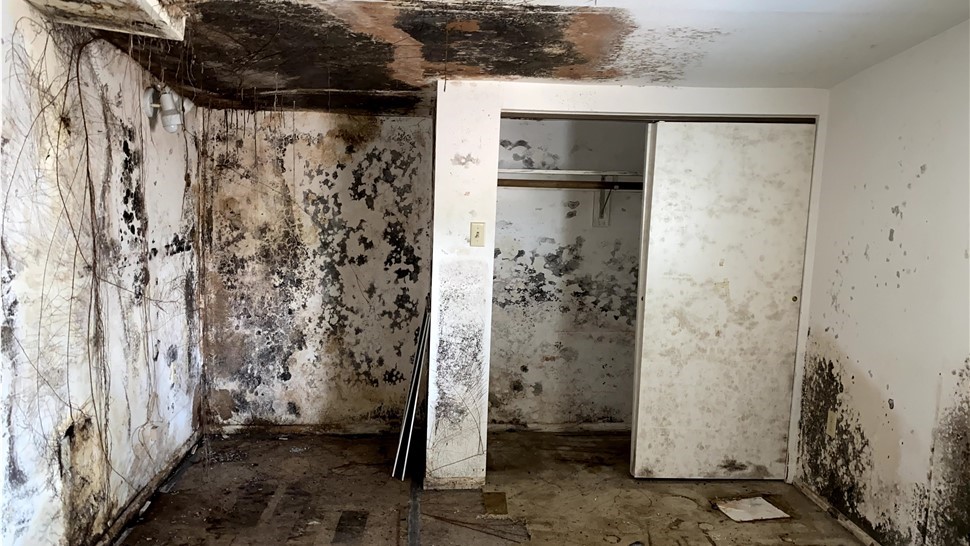
Coastal Humidity Mold Issues in Merritt Island: What Merritt Island Property Owners Should Know
Life on Merritt Island comes with water views, steady breezes, and a climate that keeps homes running air conditioning most of the year. That same coastal humidity, however, is the single biggest driver of mold problems across the island. For homeowners, landlords, and property managers, humidity-related mold isn’t a rare event—it’s a routine risk that shows up quietly and spreads if conditions stay right.
From North and South Merritt Island to neighborhoods along Sykes Creek, the Banana River, and the Indian River, moisture behaves differently here than in inland Florida. Understanding how coastal humidity fuels mold, where it tends to hide, and what actually stops it is key to protecting buildings over the long term.
What the Mold Issue Is
Humidity-related mold develops when indoor moisture stays elevated long enough for mold spores to settle and grow on organic materials. Mold doesn’t need leaks or flooding to appear. Consistently damp air alone can be enough.
In Merritt Island homes, mold often grows on drywall paper, wood framing, insulation, dust buildup, and HVAC components. Because humidity affects the entire house, growth may appear in multiple areas at once—sometimes without any obvious water damage.
This kind of mold tends to be persistent. Even when surfaces are cleaned, it can return if indoor humidity remains high.
Why This Happens So Often in Merritt Island
Merritt Island’s geography creates a near-constant humidity load. Surrounded by waterways and influenced by ocean air, moisture is present year-round, not just during summer.
Homes near the Banana River or Indian River experience higher overnight humidity, when warm air cools and releases moisture onto building surfaces. High water tables add pressure from below, especially in slab homes, increasing indoor moisture levels even without leaks.
Air conditioning helps, but it doesn’t eliminate humidity on its own. Systems that are oversized, poorly maintained, or improperly balanced may cool air quickly without removing enough moisture. When AC cycles are short, humidity lingers.
Storms and hurricanes amplify the issue. Even minor wind-driven rain or temporary power outages can push indoor humidity high enough to trigger mold growth in areas that were previously dry.
Common Signs Homeowners Notice
One of the earliest signs is a persistent musty or damp smell that doesn’t fully go away, even after cleaning. This odor is often stronger in the morning or after rain.
Many property owners notice surfaces that feel cool or slightly damp, especially on exterior walls, ceilings, or around vents. Condensation on windows or AC registers is another common clue.
Visible mold may appear in bathrooms, closets, or on ceiling corners, but these are often just indicators of a broader humidity issue affecting the entire home.
In rental and seasonal properties, mold is frequently discovered after long vacancies, when closed homes trap moisture for weeks at a time.
Hidden or Overlooked Mold Sources
Humidity-driven mold often develops in areas that don’t get much attention. Attics are a major example. Warm, moist air entering attic spaces can condense on cooler roof decking or ductwork, especially when ventilation is limited.
HVAC systems are another common source. Condensation on coils, drain pan issues, or poorly insulated ductwork can introduce moisture that spreads mold through the system.
Closets and storage rooms—particularly those on exterior walls—are frequent problem spots. Limited airflow allows humidity to build up, even when the rest of the house feels comfortable.
Behind walls and under flooring, humidity can feed mold growth without any visible signs until materials begin to deteriorate.
Why DIY Mold Cleanup Usually Fails
Wiping visible mold or running dehumidifiers temporarily often gives the impression that the problem is solved. In reality, humidity-related mold returns if moisture levels remain high.
Household cleaners and bleach do not address airborne moisture or condensation. They also don’t remove mold growing inside wall cavities, insulation, or HVAC components.
DIY efforts typically focus on symptoms rather than causes. Without understanding how humidity is entering and moving through the home, cleanup efforts tend to be short-lived.
In some cases, improper cleaning can spread spores, allowing mold to appear in new areas.
Professional Mold Inspection and Testing Explained
A professional inspection starts with understanding the home’s layout, construction type, and exposure to coastal conditions. Visual inspection is paired with moisture detection tools to identify areas where humidity is condensing or becoming trapped.
Inspectors look closely at attic conditions, HVAC performance, ventilation, and insulation quality. These factors often explain why mold is forming even when there are no leaks.
When appropriate, air or surface sampling may be used to confirm mold activity and assess how widespread the issue is. Results are explained in plain terms so property owners understand what’s happening and why.
Local professionals familiar with Merritt Island know which areas are most vulnerable to humidity-related mold and how seasonal patterns affect moisture behavior.
Proper Mold Removal and Remediation Process
Effective remediation begins with moisture control. If humidity levels aren’t addressed, removal alone won’t last.
Containment is used to prevent spores from spreading during cleaning or material removal. Affected materials such as drywall, insulation, or duct components may be cleaned or replaced depending on severity.
Correcting the humidity source is critical. This may involve adjusting HVAC settings, improving duct insulation, enhancing ventilation, or addressing attic airflow issues.
The goal is to restore normal indoor moisture conditions so mold doesn’t have an environment to return to. Companies like Mold Removal Merritt Island focus on this prevention-first approach, especially important in coastal homes.
How to Prevent Humidity-Related Mold in Merritt Island Homes
Managing indoor humidity is the foundation of prevention. AC systems should be properly sized, maintained, and configured to remove moisture effectively—not just cool the air.
Ventilation matters. Bathrooms, kitchens, and laundry areas should vent outdoors, and attic ventilation should support consistent airflow.
Regular inspections help catch early signs. Checking attics, closets, and HVAC components after storms or during peak humidity seasons can prevent larger issues.
In seasonal or vacant properties, maintaining climate control year-round is essential. Allowing homes to sit closed and unconditioned almost guarantees humidity-related mold problems.
Why Local Coastal Experience Matters
Coastal humidity mold issues don’t behave the same way as inland moisture problems. Local experience means understanding how Merritt Island’s waterways, weather patterns, and construction styles interact.
Professionals familiar with island homes recognize common failure points—like attic duct condensation or slab-level humidity—and can diagnose issues faster and more accurately.
This local knowledge often reduces unnecessary repairs and leads to solutions that actually hold up in coastal conditions.
A Calm, Practical Next Step
If you’re dealing with musty odors, recurring mold, or persistent indoor humidity, a professional evaluation can bring clarity. Not every situation requires extensive remediation, but understanding the role humidity plays is essential.
For Merritt Island property owners, addressing coastal humidity issues early helps protect building materials, indoor comfort, and long-term property value—especially in an environment where moisture is part of everyday life.
