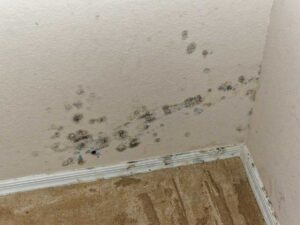
Black Mold in Indian River: What Merritt Island Property Owners Should Know
Indian River properties on Merritt Island offer scenic views and a serene waterfront lifestyle, but the region’s climate makes homes and commercial buildings highly susceptible to mold growth. Among the varieties of mold, black mold is one of the most concerning to property owners due to its persistent nature and ability to grow in hidden areas. Understanding black mold, its causes, and proper management is essential for safeguarding property and maintaining a healthy indoor environment.
Black mold is not always visible, and it often grows where moisture collects quietly, such as behind walls, under flooring, in attics, or within HVAC systems. Professional assessment and remediation are crucial for identifying affected areas, removing contamination safely, and preventing recurrence.
What Black Mold Is
Black mold, commonly referred to in homes as Stachybotrys chartarum, is a type of mold that thrives in moist, nutrient-rich environments. It typically grows on materials like drywall, wood, and insulation — surfaces that are common in Indian River properties. While mold naturally exists in the environment, black mold becomes a problem when it spreads indoors in areas with persistent moisture.
Unlike surface-level discoloration, black mold often develops in concealed spaces where dampness has persisted over time. This hidden growth can go unnoticed for months, creating ideal conditions for continued spread.
Why Black Mold Is Common in Indian River Properties
Several environmental factors make properties near the Indian River prone to black mold:
- High Humidity: Coastal humidity remains high year-round, creating persistent moisture issues.
- Water Intrusion: Storms, hurricanes, and flooding can introduce water into roofs, walls, and slabs.
- Slab Foundations: Moisture can migrate upward from the high water table, affecting lower walls and floors.
- HVAC Condensation: Air conditioning systems, if not properly maintained, can create damp areas conducive to mold.
- Salt Air Exposure: Salt-laden air accelerates wear and corrosion of building materials, creating entry points for moisture.
Even homes that appear dry may have areas of hidden moisture, which allows black mold to develop unnoticed.
Signs of Black Mold in Indian River Homes
Property owners may detect black mold through indirect indicators:
- Persistent musty odors, especially in areas with poor ventilation
- Staining or discoloration on walls, ceilings, and baseboards
- Warping or bubbling of drywall, paint, or flooring
- Condensation around windows, doors, or HVAC vents
- Recurring moisture issues after storms or plumbing leaks
These signs often point to hidden mold growth that requires professional evaluation.
Common Hidden Locations of Black Mold
Black mold often grows in areas homeowners cannot easily see:
- Attics: Poor ventilation and trapped humid air can allow mold to form on roof decking, trusses, and insulation.
- Crawl Spaces and Slabs: Moisture migrating from the ground can create hidden growth beneath flooring and in lower walls.
- Wall Cavities: Condensation or past leaks can result in mold behind drywall or paneling.
- HVAC Systems: Ductwork, condensate drains, and insulation can harbor mold that spreads spores throughout the property.
Professional inspection is crucial to locate and remediate these hidden sources.
Why DIY Approaches Often Fail
Homeowners sometimes attempt to remove black mold themselves using bleach or household cleaners. While this may remove surface growth temporarily, it rarely addresses hidden contamination or underlying moisture issues.
DIY removal can also worsen the problem:
- Spreading spores to uncontaminated areas without proper containment
- Failing to remove mold in wall cavities, attics, or under flooring
- Leaving moisture sources uncorrected, allowing mold to return
Professional remediation is essential for thorough, safe, and long-lasting results.
Professional Black Mold Remediation Process
Effective black mold remediation involves a step-by-step approach:
- Inspection and Assessment: Identifying visible and hidden mold, along with moisture sources.
- Containment: Isolating affected areas to prevent spore spread.
- Removal and Cleaning: Safely removing contaminated materials and cleaning salvageable surfaces.
- Moisture Correction: Fixing leaks, improving ventilation, adjusting HVAC systems, and addressing drainage issues.
- Post-Remediation Verification: Confirming that mold has been fully removed and affected areas are dry.
This process ensures both safety and prevention of future mold growth.
Preventing Black Mold After Remediation
Once remediation is complete, prevention is key:
- Maintain proper attic, kitchen, and bathroom ventilation
- Regularly service HVAC systems and clean condensate drains
- Inspect roofs, windows, and doors after storms
- Ensure proper drainage around slab foundations
- Monitor areas previously affected by water leaks or condensation
In Indian River homes, ongoing vigilance is necessary due to the constant environmental moisture.
Why Local Expertise Matters
Black mold behavior on Merritt Island is influenced by coastal humidity, high water tables, and local building practices. Professionals with local experience understand how lagoon proximity, storms, and slab construction contribute to hidden mold growth.
Local knowledge allows for more accurate inspections, effective remediation plans, and practical recommendations tailored to the realities of Indian River properties.
A Calm, Practical Approach for Homeowners
Black mold remediation is not about panic; it’s about clarity, safety, and long-term protection. For Indian River property owners, professional remediation ensures that mold is properly removed and underlying moisture issues are corrected.
Working with a local provider like Mold Removal Merritt Island ensures remediation is thorough, safe, and designed for the coastal environment, helping preserve the home’s structural integrity and indoor air quality for years to come.