
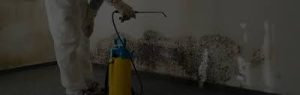
Toxic Mold in Brevard County: What Merritt Island Property Owners Should Know
Brevard County, including Merritt Island and surrounding areas, is known for its coastal beauty and waterways like the Banana River, Indian River, and Sykes Creek. However, these same environmental factors — high humidity, salt air, and frequent storms — create ideal conditions for mold growth in residential and commercial properties. Among the various types of mold, toxic mold, often associated with species like Stachybotrys chartarum, is a particular concern for property owners due to its persistence and ability to grow in hidden areas.
Understanding toxic mold, how it develops, and how to address it properly is essential for protecting the structural integrity of your property and maintaining a safe indoor environment.
What Toxic Mold Is
Toxic mold refers to certain mold species capable of producing mycotoxins — naturally occurring compounds that can affect building materials and indoor environments. These molds thrive in damp, nutrient-rich areas, often forming in hidden spaces such as behind walls, under flooring, in attics, or inside HVAC systems.
While not all molds produce mycotoxins, toxic mold is particularly persistent and difficult to eliminate if underlying moisture issues are not addressed. Its growth can go unnoticed for months, making professional assessment essential.
Why Brevard County Properties Are Susceptible
Several local environmental factors make homes and commercial buildings in Brevard County prone to toxic mold:
- Coastal Humidity: High moisture levels year-round create ideal conditions for mold growth.
- Storm and Flood Exposure: Hurricanes, tropical storms, and heavy rains introduce water that can penetrate roofs, walls, and slab foundations.
- Slab-on-Grade Construction: Moisture can migrate upward through concrete, affecting floors and lower wall sections.
- Air Conditioning Systems: Condensation from ducts and improperly insulated units can create hidden damp areas.
- Salt Air Corrosion: Salt-laden air accelerates material wear, opening pathways for water intrusion.
Even well-maintained properties can develop hidden mold when these factors are present.
Common Signs Toxic Mold May Be Present
Toxic mold often grows in concealed areas, so homeowners must rely on indirect signs:
- Persistent musty or damp odors, especially when HVAC systems are operating
- Stains, discoloration, or bubbling paint on walls and ceilings
- Warped flooring, peeling baseboards, or water-stained materials
- Condensation around windows, doors, or vents
- Recurring moisture issues after storms, leaks, or plumbing failures
While these signs do not confirm toxic mold, they indicate areas where professional testing and remediation may be necessary.
Hidden Sources of Toxic Mold in Brevard County
Toxic mold frequently develops in hard-to-see areas:
- Attics: Poor ventilation or roof leaks allow mold to grow on decking, trusses, and insulation.
- Crawl Spaces and Slabs: Ground moisture can migrate upward, creating growth beneath flooring and inside wall cavities.
- Wall Cavities: Condensation, leaks, or water intrusion often lead to hidden mold behind drywall.
- HVAC Systems: Mold can grow in ducts, vents, and condensate drains, distributing spores throughout the property.
Professional assessment is necessary to identify these hidden sources and guide effective remediation.
Why DIY Approaches Are Often Ineffective
Many property owners attempt to remove mold themselves using bleach or household cleaners. While this may address surface-level growth temporarily, it does not resolve hidden mold or underlying moisture issues.
DIY removal can also worsen the problem by:
- Spreading spores to other areas without proper containment
- Failing to remove mold growing in wall cavities, under floors, or in HVAC systems
- Leaving moisture sources uncorrected, which allows mold to return
Professional remediation ensures both visible and hidden mold are safely removed and moisture issues addressed.
The Professional Toxic Mold Remediation Process
Professional toxic mold remediation involves a structured approach:
- Inspection and Assessment: Locate both visible and hidden mold and identify moisture sources.
- Containment: Isolate affected areas to prevent spore spread during remediation.
- Safe Removal and Cleaning: Remove contaminated materials and clean salvageable surfaces with industry-approved methods.
- Moisture Source Correction: Repair leaks, improve ventilation, adjust HVAC systems, and enhance drainage to prevent recurrence.
- Post-Remediation Verification: Confirm that all mold has been removed and affected areas are thoroughly dried.
This process ensures safe and effective remediation with long-term protection.
Preventing Toxic Mold After Remediation
Prevention is critical, especially in Brevard County’s humid, coastal environment:
- Maintain proper ventilation in attics, bathrooms, kitchens, and crawl spaces
- Regularly service HVAC systems and clear condensate drains
- Inspect roofs, windows, and exterior walls after storms
- Ensure proper drainage around slab foundations and low-lying areas
- Monitor areas previously affected by leaks or condensation
Consistent maintenance and monitoring help minimize the risk of toxic mold returning.
Why Local Expertise Matters
Toxic mold behavior in Brevard County is influenced by Merritt Island’s coastal conditions, including high humidity, lagoon proximity, salt air, and common building styles. Professionals with local experience understand where mold is likely to hide, how it spreads, and how to remediate effectively.
Local knowledge ensures accurate inspections, safe removal, and practical recommendations tailored to the specific conditions of Merritt Island homes and businesses.
A Calm, Informed Approach for Property Owners
Addressing toxic mold is about clarity and long-term property protection. For Brevard County homeowners and property managers, professional remediation ensures mold is properly removed, moisture sources are corrected, and the risk of recurrence is minimized.
Working with an experienced local provider like Mold Removal Merritt Island ensures the process is thorough, safe, and specifically tailored to the challenges of living and building in a coastal environment. Early, informed action helps maintain healthy indoor spaces and protects the structural integrity of your property.
