
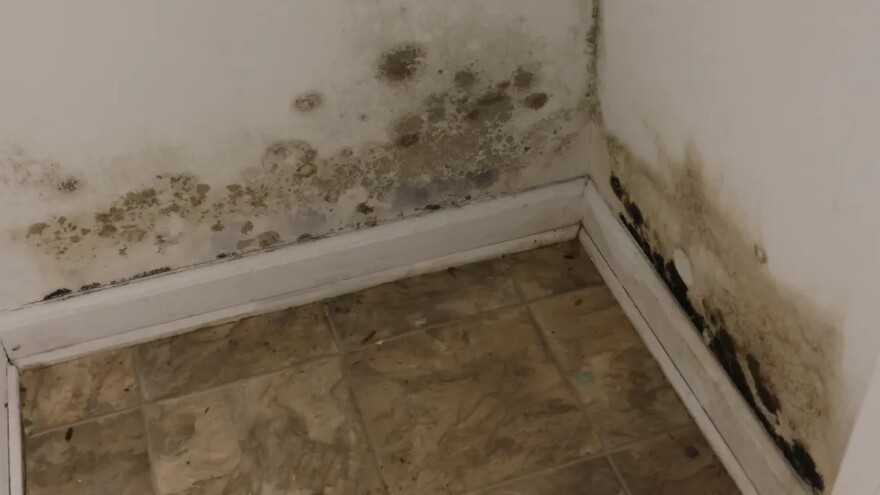
Why Mold Keeps Coming Back in Sykes Creek: What Merritt Island Property Owners Should Know
If you live near Sykes Creek and feel like mold is a problem that never fully goes away, you’re not alone. Many Merritt Island property owners clean visible mold, repaint walls, or replace small sections of damaged material—only to see the same musty odors or new growth return weeks or months later. In this area, recurring mold is far more common than most people expect.
The reason mold keeps coming back in Sykes Creek homes usually has very little to do with cleaning effort and everything to do with moisture. Until the conditions that allow mold to grow are fully understood and corrected, mold has a way of reappearing in slightly different places each time.
Why Sykes Creek Homes Struggle With Recurring Mold
Sykes Creek runs through the center of Merritt Island, keeping humidity levels elevated year-round. Even when it hasn’t rained, moisture is constantly present in the air and the ground. Homes near the creek are under continuous moisture pressure that makes complete drying more difficult than in inland areas.
Several local factors contribute to recurring mold:
- Persistent coastal humidity
- High water tables affecting slab foundations
- Frequent storms and heavy rain
- Salt air degrading seals and building materials
- Homes kept closed with constant air conditioning
These conditions mean mold doesn’t need a major leak to return. It only needs moisture that never fully goes away.
Surface Cleaning Doesn’t Stop Mold at the Source
One of the most common reasons mold returns is that only the visible growth was addressed. Mold on walls, ceilings, or baseboards is often just the symptom—not the source.
Mold commonly continues growing in:
- Wall cavities behind drywall
- Insulation that absorbed moisture
- Attics with ongoing humidity issues
- HVAC systems and ductwork
- Under flooring installed over slab
When these hidden areas remain damp, mold spores continue to spread, even if surfaces look clean.
Moisture That Never Fully Dries Out
In Sykes Creek homes, moisture dries slowly. High humidity in the surrounding air reduces evaporation, especially in enclosed or hidden spaces.
Moisture often lingers in:
- Drywall and framing after small leaks
- Insulation that was never removed or dried
- Slabs that release ground moisture upward
- Closets and storage areas with limited airflow
Even after repairs, residual moisture can stay trapped long enough for mold to grow again.
HVAC Systems That Reintroduce Mold Conditions
Air conditioning systems are meant to remove moisture, but when they aren’t functioning or designed properly, they can contribute to recurring mold.
Common HVAC-related causes include:
- Condensate drain lines that partially clog
- Air handlers installed in tight, damp closets
- Sweating ductwork in humid attics
- Oversized systems that cool quickly without dehumidifying
When mold develops near HVAC components, spores and odors can be circulated throughout the home repeatedly.
Attics as a Repeat Mold Source
Attics are one of the most overlooked contributors to recurring mold in Sykes Creek homes. Warm, humid air enters attic spaces through vents, while conditioned air leaks upward from living areas.
Recurring attic issues include:
- Condensation on roof decking
- Damp or compressed insulation
- Poor ventilation that traps humidity
- Mold growth that spreads downward into rooms
If attic conditions aren’t corrected, mold can keep returning no matter how many times interior areas are cleaned.
Storms Reactivate Old Mold Problems
Many Sykes Creek homeowners notice mold coming back after storm season. That’s because storms don’t just add new moisture—they also reactivate areas that never fully dried in the past.
After storms, mold often returns due to:
- Wind-driven rain entering old intrusion points
- Increased indoor humidity
- Ground saturation increasing slab moisture
- AC systems working harder and producing more condensation
This is why mold may seem seasonal or cyclical in creek-side homes.
Why Mold Comes Back in Different Rooms
A common frustration is seeing mold return in a new location. This happens because mold spreads through spores and airflow.
Once mold is established anywhere in the structure, spores can travel through:
- HVAC systems
- Wall and ceiling cavities
- Attics and duct chases
- Natural air movement between rooms
If multiple areas have ongoing moisture, mold may reappear wherever conditions are favorable.
Painting Over Mold Makes the Problem Worse
Painting over mold or water stains is one of the most common reasons mold keeps coming back. Paint can temporarily hide stains but traps moisture inside walls.
This often leads to:
- Mold growing behind fresh paint
- Paint bubbling or peeling later
- Odors returning stronger than before
- Larger affected areas over time
Without drying and addressing moisture, cosmetic fixes simply delay the problem.
Slab Foundations and Recurring Mold
Most homes near Sykes Creek are built on slab foundations. With high water tables, moisture can migrate upward through concrete and increase humidity near floor level.
This often causes:
- Mold growth along baseboards
- Damp flooring that never fully dries
- Odors concentrated in lower rooms
- Mold returning even without leaks
Slab-related moisture is slow, constant, and easy to overlook.
Why DIY Solutions Rarely Break the Cycle
Dehumidifiers, cleaning products, and air fresheners may help temporarily, but they rarely address the full moisture picture.
DIY approaches usually fail because:
- Hidden moisture isn’t measured
- Attics and HVAC systems aren’t checked
- Slab moisture isn’t considered
- Mold sources remain active
As long as moisture conditions stay the same, mold will continue to return.
How Professionals Identify Why Mold Keeps Coming Back
A professional evaluation focuses on understanding the pattern of recurrence, not just the current mold.
This often includes:
- Moisture mapping throughout the home
- Attic and insulation inspection
- HVAC system and ductwork evaluation
- Identifying humidity traps and airflow issues
- Tracing past water intrusion paths
Local providers such as Mold Removal Merritt Island often find that recurring mold is the result of one or two unresolved moisture sources affecting multiple areas.
What Actually Stops Mold From Coming Back
Stopping recurring mold requires correcting conditions, not just removing growth.
Effective long-term solutions focus on:
- Fully drying affected materials
- Correcting humidity and condensation issues
- Improving ventilation and airflow
- Addressing attic and HVAC moisture
- Monitoring moisture after storms
Once moisture is controlled, mold loses its ability to return.
Why Local Sykes Creek Experience Matters
Recurring mold in Sykes Creek behaves differently than in inland homes. Local experience matters because professionals familiar with the area understand how lagoon humidity, slab foundations, and coastal airflow combine to create repeat problems.
That local knowledge allows for accurate diagnosis and realistic solutions—not trial-and-error fixes.
A Practical Takeaway for Property Owners
If mold keeps coming back in a Sykes Creek home, it’s a sign that something deeper hasn’t been addressed. Recurring mold is rarely about cleaning mistakes—it’s about moisture that never fully leaves the structure.
A professional evaluation can identify why mold is returning, where moisture is hiding, and what needs to change to stop the cycle for good. Addressing the root cause protects the home, improves indoor comfort, and prevents the frustration of dealing with the same problem again and again.
