
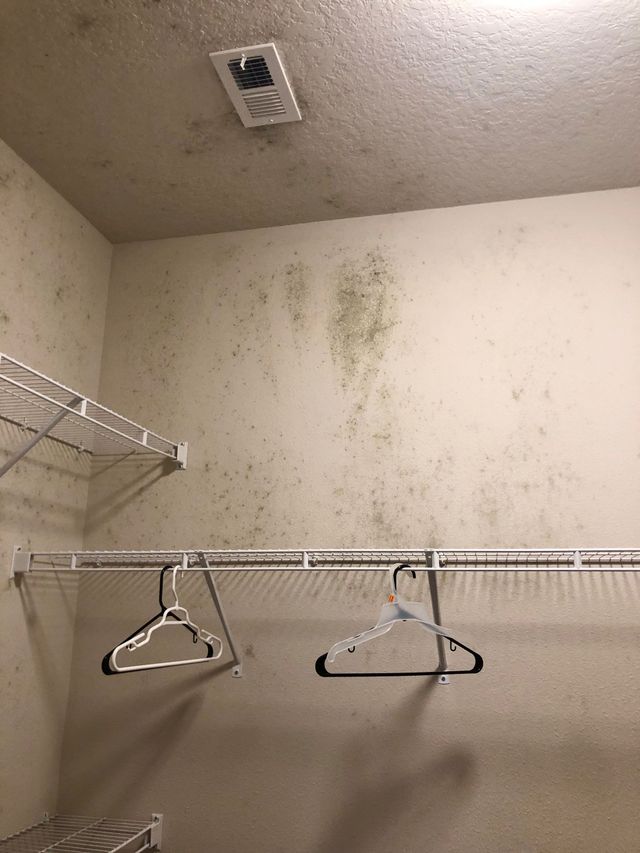
Mold in Closets in North Merritt Island: What Merritt Island Property Owners Should Know
Closets in North Merritt Island homes are often small, enclosed, and rarely thought about until there’s a problem. But in a coastal environment surrounded by waterways like Sykes Creek and the Banana River, closets are one of the most common places mold quietly develops. Many property owners are surprised to find mold on walls, ceilings, or even clothing—especially when the rest of the home looks clean and well maintained.
Understanding why closets are so vulnerable in North Merritt Island helps homeowners catch issues early and prevent mold from spreading into living spaces.
Why Closets Are a Mold Hotspot in North Merritt Island
Closets naturally have limited airflow. When that lack of circulation meets persistent coastal humidity, moisture can linger for long periods without drying out. In North Merritt Island, outdoor humidity stays elevated most of the year, and that moisture easily migrates indoors.
Several local factors make closets especially vulnerable:
- High ambient humidity from nearby waterways
- Exterior walls that stay cooler than interior air
- Homes kept closed with constant AC use
- Slab foundations that contribute to moisture movement
- Closets that remain shut for long periods
When humid air enters a closet and cools, condensation can form on walls, ceilings, and stored items—creating ideal conditions for mold growth.
Exterior Wall Closets and Hidden Moisture
Closets located along exterior walls are the most common problem areas. These walls are exposed to outdoor temperature changes, and in coastal environments they often stay cooler than indoor air.
This temperature difference can lead to:
- Condensation forming behind clothing and shelves
- Moisture buildup inside wall cavities
- Mold growth that starts behind drywall
- Odors that seem to come from nowhere
Because clothing and stored items block airflow, moisture in these closets dries very slowly.
Common Signs of Mold in Closets
Mold in closets doesn’t always appear as obvious black patches. In North Merritt Island homes, early signs are often subtle.
Watch for:
- Musty or earthy smells when opening closet doors
- Discoloration on walls or ceilings
- White, green, or dark spotting on drywall
- Mold growth on shoes, bags, or fabric items
- Clothing that smells damp even after washing
If odors return quickly after cleaning, moisture is likely still present.
Mold on Clothing and Stored Items
Closets often store materials that absorb moisture easily. In a humid coastal climate, these items can become mold growth sites themselves.
High-risk items include:
- Leather shoes and bags
- Fabric clothing and linens
- Cardboard boxes
- Paper documents
- Upholstered or padded items
Once mold starts growing on stored items, spores can spread throughout the closet and into adjacent rooms.
The Role of Air Conditioning and Humidity
Air conditioning helps control humidity, but it doesn’t always reach closets effectively—especially those without vents or returns. In North Merritt Island, closets often become humidity pockets within otherwise conditioned homes.
Contributing factors include:
- Lack of airflow into closets
- Oversized AC systems that cool quickly but don’t dehumidify well
- Ductwork located far from closet areas
- Doors kept closed most of the time
These conditions allow humidity to remain high inside closets even when the rest of the home feels comfortable.
Slab Foundations and Closet Moisture
Many North Merritt Island homes are built on slab foundations. With a high local water table, moisture can migrate upward through concrete and increase humidity near floor level.
This often results in:
- Mold growth starting low on closet walls
- Damp odors near baseboards
- Flooring beneath closets staying cooler and damper
Because slabs release moisture slowly, these conditions can persist unnoticed.
Why DIY Cleaning Often Doesn’t Work
Property owners often clean visible mold from closet walls or wash affected clothing, only to see the problem return. This happens because cleaning doesn’t address the underlying moisture.
Common reasons DIY efforts fail include:
- Moisture trapped behind drywall
- Continued humidity buildup in the closet
- Mold growth inside wall cavities
- Lack of airflow to keep the area dry
Without correcting moisture conditions, mold in closets tends to come back.
When Closet Mold Signals a Bigger Issue
Closet mold is sometimes an isolated issue, but in North Merritt Island it can also be an early warning sign of broader moisture problems.
Closet mold may indicate:
- Elevated indoor humidity throughout the home
- HVAC condensation or airflow issues
- Exterior wall moisture intrusion
- Slab-related moisture movement
Because closets are enclosed, they often show problems before larger areas do.
Professional Evaluation of Closet Mold
A professional evaluation focuses on identifying why moisture is building up in the closet, not just where mold is visible.
An inspection may include:
- Moisture readings in closet walls and floors
- Inspection of exterior wall conditions
- Evaluation of airflow and ventilation
- Checking adjacent rooms and attic spaces
Local professionals such as Mold Removal Merritt Island often find that addressing closet mold early helps prevent more extensive remediation later.
Preventing Mold in Closets in North Merritt Island
Closet mold prevention is about airflow, humidity control, and awareness.
Effective prevention steps include:
- Keeping closet doors open periodically
- Avoiding overpacked closets that block airflow
- Using moisture-resistant storage containers
- Monitoring indoor humidity levels
- Inspecting exterior wall closets regularly
These small habits make a big difference in a coastal environment.
Post-Storm Closet Checks Matter
After storms or prolonged rain, humidity levels often spike. Closets—especially those on exterior walls—should be checked carefully.
Post-storm checks include:
- Smelling for new musty odors
- Checking walls behind clothing
- Inspecting stored items for dampness
- Watching for new discoloration
Early detection helps stop mold before it spreads.
Why Local North Merritt Island Experience Matters
Closets in coastal homes behave differently than those inland. Local experience matters because professionals familiar with North Merritt Island understand how lagoon humidity, slab foundations, and coastal airflow affect small enclosed spaces like closets.
That local knowledge leads to practical, targeted solutions rather than generic advice.
A Practical Next Step for Property Owners
Mold in closets is common in North Merritt Island, but it doesn’t have to become a recurring issue. Closets often provide early warning signs of moisture conditions affecting the home.
If musty odors, visible growth, or repeated mold on clothing appear, a professional evaluation can help identify the cause and guide next steps. Addressing closet mold early helps protect belongings, indoor air quality, and the long-term condition of the property.
