
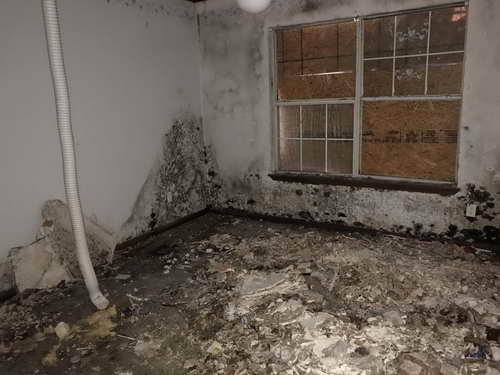
Mold in Older Homes in South Merritt Island: What Merritt Island Property Owners Should Know
South Merritt Island is known for its established neighborhoods, mature trees, and older homes with character you don’t find in newer developments. Many of these properties were built decades ago, long before modern moisture control standards became common. While older homes often have solid construction, they also come with unique mold risks—especially in a coastal, high-humidity environment like South Merritt Island.
For property owners, understanding how age, building materials, and local conditions interact is key to preventing mold problems before they become disruptive or expensive.
Why Older Homes in South Merritt Island Face Higher Mold Risk
Older homes weren’t designed with today’s humidity challenges in mind. When many South Merritt Island houses were built, construction practices assumed more natural airflow and less reliance on constant air conditioning.
Over time, several factors increase mold risk:
- Aging roofing, windows, and exterior seals
- Outdated insulation materials
- Older HVAC systems or retrofitted ductwork
- Slab foundations without modern moisture barriers
- Years of minor leaks or storm exposure
In a coastal area where humidity is already high, these age-related vulnerabilities allow moisture to accumulate more easily.
How Coastal Humidity Affects Aging Structures
South Merritt Island sits close to open water, and that proximity means moisture is always present in the air. Older building materials absorb and release moisture differently than newer ones.
Common issues include:
- Wood framing that absorbs humidity over time
- Drywall that softens with repeated moisture exposure
- Plaster or older wall systems that trap damp air
- Sealants and caulking that degrade faster due to salt air
Even without a single major leak, decades of humidity exposure can create ideal conditions for mold inside walls, ceilings, and floors.
Hidden Moisture From Past Repairs or Storms
Many older homes in South Merritt Island have a long history—roof replacements, window upgrades, plumbing repairs, or storm-related fixes. While these repairs may have addressed immediate problems, moisture can remain trapped behind walls or under flooring.
Mold often develops in areas affected by:
- Old roof leaks that were repaired but never fully dried
- Past plumbing issues inside walls
- Storm-related water intrusion
- Window or door replacements without updated flashing
Because these events may have happened years ago, homeowners are often surprised when mold shows up much later.
Common Areas Mold Develops in Older Homes
Mold in older South Merritt Island homes rarely starts in obvious places. It typically develops where moisture and limited airflow meet.
High-risk areas include:
- Attics with outdated or compressed insulation
- Wall cavities behind original drywall or plaster
- Under flooring installed over slab foundations
- HVAC closets with older air handlers
- Bathrooms and kitchens without proper exhaust fans
- Closets along exterior walls
These areas often go unchecked for years, allowing mold to grow slowly and unnoticed.
HVAC Systems in Older South Merritt Island Homes
Air conditioning systems in older homes are often retrofitted or replaced over time, sometimes without updating ductwork or insulation. This can create condensation problems that didn’t exist when the home was originally built.
Common HVAC-related mold issues include:
- Sweating ductwork in attics or closets
- Poorly sealed return plenums
- Drain lines that clog easily
- Air handlers installed in tight, unventilated spaces
Because AC systems run most of the year in South Merritt Island, even small inefficiencies can lead to long-term moisture buildup.
Musty Odors as an Early Warning Sign
In older homes, musty odors are often the first sign of mold. These smells usually indicate hidden moisture interacting with organic materials inside the structure.
Odors may be strongest:
- After rain or storms
- In rooms that are rarely used
- Inside closets or storage areas
- When the AC turns on
If musty smells return after cleaning or airing out the home, it’s a strong indicator that moisture is present behind surfaces.
Why Surface Cleaning Isn’t Enough in Older Homes
Older construction materials are often more porous than modern alternatives. That means mold can grow deeper within walls, ceilings, and flooring systems.
Common mistakes include:
- Painting over stained drywall
- Cleaning visible mold without checking behind surfaces
- Using bleach on porous materials
- Ignoring attic or HVAC moisture
These approaches may improve appearance temporarily, but they don’t stop mold if moisture remains trapped inside older materials.
Storms and Long-Term Mold Development
South Merritt Island experiences frequent storms, and older homes often feel the effects more strongly. Even when there’s no obvious damage, wind-driven rain and pressure changes can push moisture into vulnerable areas.
Mold related to storms often appears:
- Weeks or months after the event
- In ceilings or wall corners
- Near windows or doors
- Inside attics and insulation
Because the timing is delayed, homeowners don’t always connect mold growth to past weather events.
When a Professional Inspection Is Especially Important
Older homes benefit greatly from periodic professional inspections, even when no visible mold is present. These inspections focus on moisture patterns that may be developing quietly.
A thorough inspection may include:
- Visual checks of high-risk areas
- Moisture readings in walls and floors
- Attic and insulation evaluation
- HVAC and ductwork assessment
Local providers like Mold Removal Merritt Island often identify moisture issues in older South Merritt Island homes before they turn into full remediation projects.
Practical Mold Prevention for Older Homes
Preventing mold in an older home doesn’t mean changing its character. It means managing moisture more intentionally.
Effective prevention steps include:
- Keeping indoor humidity controlled year-round
- Improving attic ventilation where possible
- Maintaining HVAC systems and drain lines
- Monitoring areas with past leaks or repairs
- Inspecting after heavy storms
Small, consistent efforts help older homes perform well in a modern coastal environment.
Why Local South Merritt Island Experience Matters
Older homes near the water behave differently than newer construction or inland properties. Local experience matters because professionals familiar with South Merritt Island understand how aging materials, slab foundations, and coastal humidity interact over time.
This local knowledge leads to more accurate evaluations and practical recommendations tailored to older homes—not generic advice that misses hidden risks.
A Calm, Informed Next Step for Property Owners
Owning an older home in South Merritt Island comes with responsibility, but it doesn’t mean mold problems are inevitable. With awareness, routine moisture checks, and timely evaluations, most issues can be caught early.
If an older home shows musty odors, recurring humidity, or signs of past moisture, a professional assessment can provide clarity. Addressing moisture proactively protects the structure, preserves the home’s character, and helps ensure comfortable living for years to come.
