
Mold and Respiratory Issues in North Merritt Island: What Merritt Island Property Owners Should Know
North Merritt Island offers quieter neighborhoods and close access to the water, but those same surroundings bring persistent moisture. Over time, that moisture can affect indoor conditions in ways many property owners don’t immediately connect to breathing comfort. When homes feel damp, smell musty, or seem harder to keep comfortable, mold is often part of the conversation.
This isn’t about alarm or diagnosis. It’s about understanding how mold and moisture influence indoor air in North Merritt Island homes, why respiratory irritation is sometimes noticed indoors, and what property owners can realistically do to reduce risk and protect their buildings.
How Mold Interacts With Indoor Air
Mold grows by releasing microscopic spores into the air. In a home, those spores don’t stay put. They move with airflow, HVAC circulation, and natural pressure changes as doors open and close. When mold is present—especially in hidden areas—those particles can accumulate indoors without obvious visual clues.
In North Merritt Island, where humidity stays elevated year-round, mold growth often develops slowly. That gradual growth can subtly change how indoor air feels and smells long before staining or visible patches appear.
Why North Merritt Island Homes Are More Susceptible
North Merritt Island sits near waterways such as Sykes Creek and the Banana River, and that geography plays a major role in indoor moisture levels. Even on clear days, humid air surrounds homes and easily migrates inside.
Several local factors increase susceptibility:
- Constant coastal humidity
- A high water table influencing slab foundations
- Salt air that wears down seals and HVAC components
- Frequent rain and storm-driven moisture
- Homes kept closed up with continuous AC use
Together, these conditions make moisture control more challenging and allow mold-friendly environments to develop if small issues go unchecked.
Respiratory Irritation and the Indoor Environment
Some property owners notice that breathing feels more uncomfortable indoors than outdoors, especially during humid periods. This doesn’t automatically mean mold is present, but it does suggest indoor air quality may be affected by moisture.
Patterns often reported in North Merritt Island homes include:
- Air feeling heavy or damp
- Musty odors accompanying discomfort
- Symptoms that feel stronger in certain rooms
- Changes noticed after storms or prolonged rain
These patterns frequently point to hidden moisture interacting with indoor air rather than a single, obvious problem.
Common Places Mold Affects Airflow
Mold that influences indoor air is often hidden in areas tied directly to airflow. In North Merritt Island homes, these spaces are common starting points.
Typical locations include:
- HVAC air handlers and return plenums
- Ductwork running through attics or closets
- Attics with limited ventilation
- Wall cavities along exterior walls
- Flooring systems installed over slab foundations
When mold develops in these areas, spores can circulate throughout the home without being seen.
HVAC Systems and Indoor Comfort
Air conditioning systems are essential in North Merritt Island, not just for cooling but for moisture removal. When systems aren’t draining properly or ducts aren’t well insulated, condensation can build up and support mold growth.
Signs HVAC-related moisture may be affecting air include:
- Musty smells when the system turns on
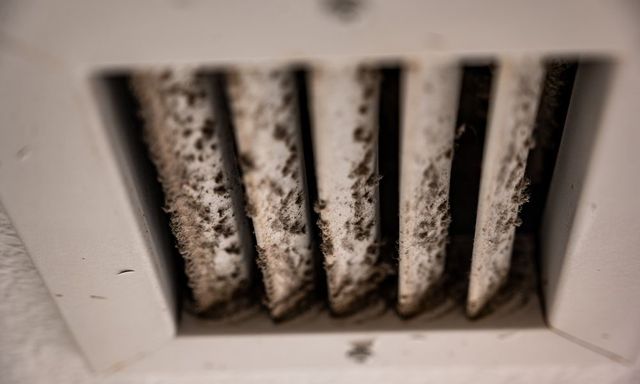
- Odors strongest near vents or returns
- Damp air handler closets
- Visible staining around registers
Because HVAC systems distribute air everywhere, issues here tend to affect the entire home.
Attics as an Overlooked Contributor
Attics are a frequent source of hidden moisture problems. In North Merritt Island, hot attic temperatures combined with humid air can lead to condensation on wood framing and insulation.
Warning signs include:
- Odors noticeable on upper floors
- Damp or compressed insulation
- Dark staining on roof decking
- Air feeling warmer and heavier upstairs
Since attic air can migrate downward, problems here often influence living spaces below.
Storms, Moisture, and Delayed Effects
Storms don’t always cause immediate damage, but they often introduce moisture that lingers. Wind-driven rain and rapid humidity spikes can affect walls, attics, and HVAC systems.
After storms, property owners may notice:
- New or stronger musty odors
- Increased indoor humidity
- Subtle ceiling or wall discoloration
- Changes in indoor comfort
These delayed effects are common in North Merritt Island and are frequently misunderstood.
Why Surface Cleaning Isn’t Enough
Cleaning visible mold or repainting affected areas may improve appearance, but it rarely addresses the underlying moisture conditions. When moisture remains, mold can continue to affect indoor air from hidden locations.
Common limitations of surface-only approaches include:
- Mold persisting behind walls or under flooring
- Odors returning after a short time
- Moisture sources remaining uncorrected
- Repeated issues in the same areas
Long-term improvement depends on identifying where moisture is coming from and why it’s staying.
When a Professional Evaluation Is Helpful
If indoor air consistently feels damp, musty, or uncomfortable, a professional mold and moisture evaluation can provide clarity. In North Merritt Island, inspections often focus on moisture patterns first, since mold follows moisture.
A thorough evaluation may include:
- Visual inspection of high-risk areas
- Moisture readings in walls and floors
- Attic and HVAC assessment
- Targeted sampling when appropriate
Local providers like Mold Removal Merritt Island commonly help property owners understand whether indoor air issues are tied to mold or ongoing moisture conditions.
Preventing Mold-Related Air Issues in North Merritt Island
Prevention is about consistency, not drastic changes. In coastal environments, small maintenance habits make a big difference.
Effective prevention strategies include:
- Keeping indoor humidity controlled year-round
- Maintaining HVAC systems and drain lines
- Improving attic ventilation and insulation
- Addressing leaks and condensation quickly
- Performing post-storm inspections
These steps reduce the conditions mold needs to grow and help maintain more stable indoor air.
Why Local North Merritt Island Experience Matters
Mold and moisture behave differently near the water than inland. Local experience matters because professionals familiar with North Merritt Island understand how lagoon humidity, slab construction, and salt air affect homes over time.
That knowledge allows for more accurate identification of problem areas and practical recommendations that fit local building styles and conditions.
A Practical, Homeowner-Focused Next Step
When indoor air quality changes, it’s often the home signaling a moisture issue. In North Merritt Island, addressing those signals early helps protect the structure, maintain comfort, and reduce the likelihood of ongoing mold-related problems.
A calm, professional evaluation can confirm what’s happening and guide next steps—helping property owners protect their homes with clarity rather than guesswork.
