
Mold in Healthcare Facilities in Brevard County: What Merritt Island Property Owners Should Know
Healthcare facilities—such as clinics, outpatient centers, therapy offices, and medical suites—play a vital role in communities across Brevard County. In areas like Merritt Island, where humidity and coastal weather are constant factors, maintaining indoor air quality and building conditions is especially important. One issue that healthcare property owners and facility managers must stay aware of is mold.
Mold can develop in any building when moisture is present, but in healthcare environments, early detection and proper maintenance are particularly important. Understanding how mold develops, where it commonly appears, and how to prevent it helps protect both buildings and the people who rely on them.
Why Mold Can Develop in Healthcare Facilities
Mold needs three basic conditions to grow:
- Moisture
- Moderate temperatures
- Organic materials such as drywall, ceiling tiles, insulation, or dust
Healthcare facilities often contain multiple sources of moisture, including:
- Restrooms and sinks
- HVAC systems running continuously
- Sterilization and cleaning processes
- Plumbing systems serving multiple rooms
In Brevard County, coastal humidity and frequent rain can add to indoor moisture levels, increasing the likelihood of mold growth if ventilation and maintenance are not consistent.
Why Facilities in Merritt Island Face Higher Risk
Healthcare facilities in Merritt Island and nearby communities experience environmental conditions that can encourage mold growth.
Coastal humidity
Moist air from surrounding waterways such as the Banana River and Indian River keeps indoor humidity elevated, especially during warmer months.
Frequent storms and heavy rain
Roof leaks or water intrusion around windows can introduce moisture into ceilings and walls.
Continuous HVAC operation
Air-conditioning systems help control humidity but can also create condensation around ducts, coils, and drain lines.
High occupancy levels
Regular use of restrooms, sinks, and equipment increases indoor moisture levels throughout the day.
Because of these factors, routine inspections and preventive maintenance are essential.
Common Areas Mold Appears in Healthcare Buildings
Certain parts of medical and healthcare facilities are more vulnerable to mold than others.
Typical problem areas include:
- Ceiling tiles and drop ceilings
- HVAC air handlers and ductwork
- Storage rooms and supply closets
- Restrooms and utility areas
- Areas near sinks or plumbing

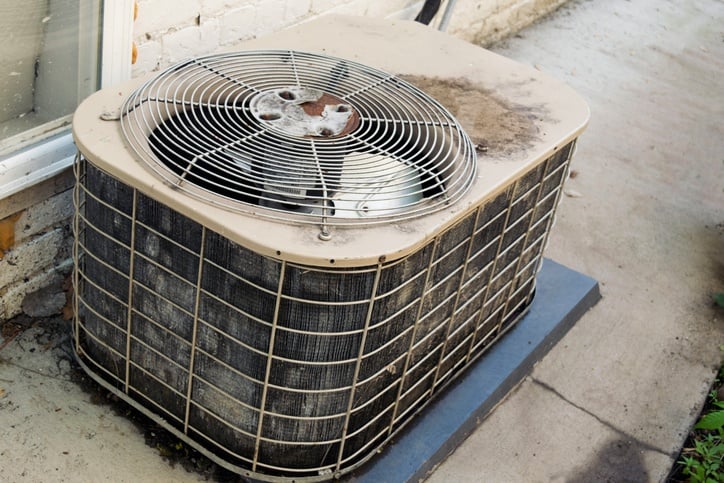
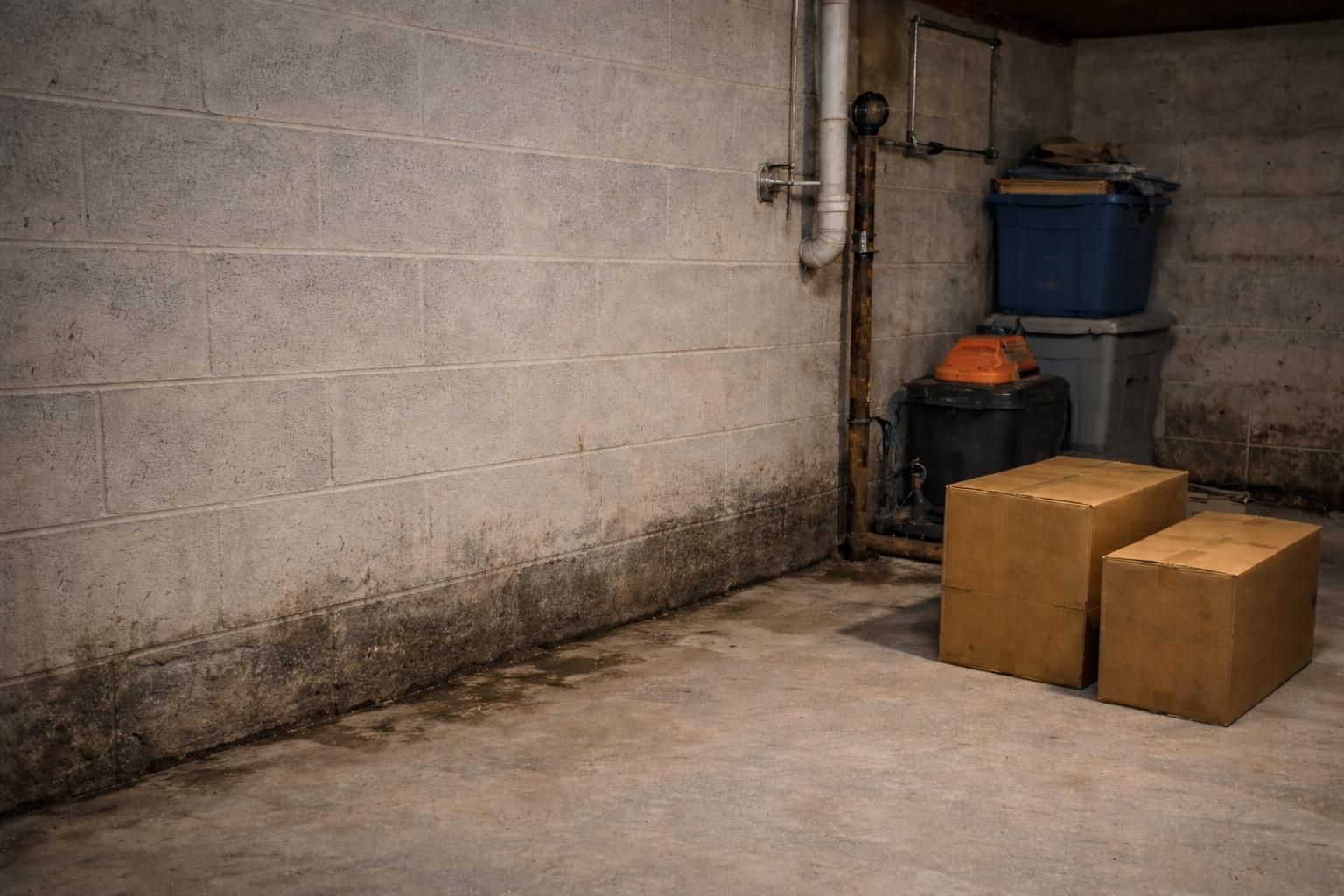
Because these areas may not be inspected daily, mold can develop gradually before it becomes noticeable.
Early Signs of Mold in Healthcare Facilities
Mold problems often begin with subtle warning signs. Staff or maintenance teams may notice:
- Musty or damp odors
- Staining on ceiling tiles
- Peeling paint near vents or windows
- Persistent humidity indoors
- Condensation on ducts or windows
Odors are often the first indicator, especially in enclosed areas or storage spaces.
Hidden Mold Sources in Medical Buildings
One of the biggest challenges with mold is that it often develops in areas that are not visible during daily operations.
Common hidden locations include:
- Above drop ceilings
- Inside ductwork
- Behind drywall or wall panels
- Beneath flooring in restrooms or treatment rooms
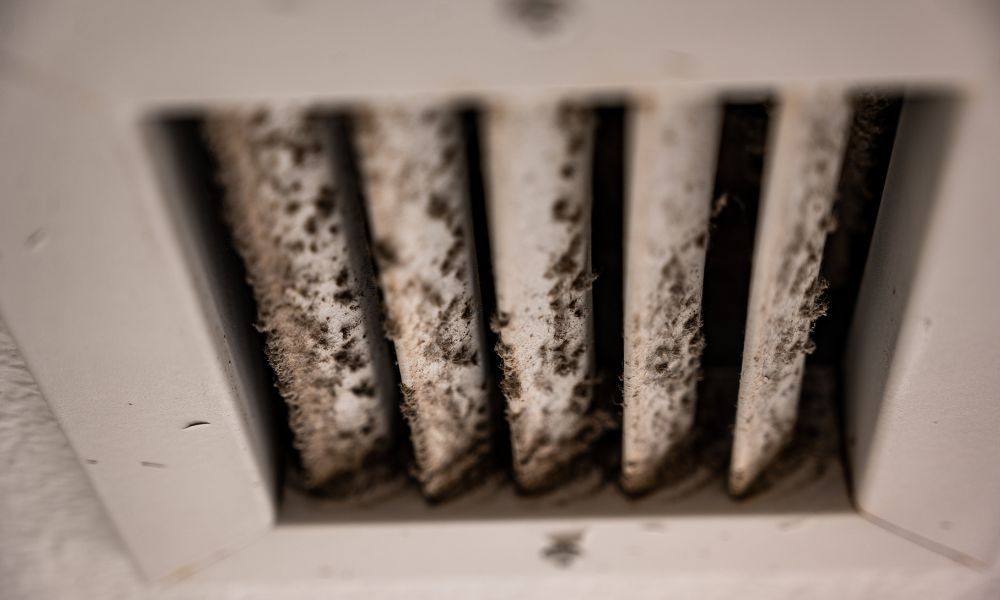

Without regular inspection, moisture problems in these areas can continue unnoticed for long periods.
How Mold Can Affect Healthcare Facilities
Mold can create several operational and maintenance challenges in medical environments.
Possible impacts include:
- Unpleasant odors affecting patient comfort
- Damage to ceiling tiles, drywall, or flooring
- Increased maintenance and repair costs
- Temporary closure of rooms or areas during repairs
Early detection helps minimize disruptions and maintain a comfortable environment.
Why Moisture Problems Often Go Unnoticed
In larger buildings, small leaks or condensation problems may not be immediately visible.
Common causes include:
- Slow roof leaks above ceilings
- Condensation from HVAC systems
- Plumbing leaks in restrooms or utility rooms
- Poor ventilation in storage areas
Because these issues develop gradually, mold sometimes becomes visible only after damage has progressed.
Why DIY Cleaning Is Not Enough
Surface cleaning may remove visible mold temporarily, but it rarely addresses the underlying cause.
DIY cleaning often falls short because:
- Hidden moisture remains
- Mold inside walls or insulation is not removed
- HVAC systems may continue spreading spores
- The moisture source is not corrected
In healthcare and commercial environments, professional inspection and remediation are often necessary to fully resolve mold problems.
How Professional Mold Inspection Helps
A professional mold inspection focuses on identifying both mold growth and moisture sources.
Typical steps include:
Visual inspection
Checking ceilings, HVAC systems, restrooms, and storage areas.
Moisture detection
Using specialized tools to locate damp materials behind walls or ceilings.
Air or surface sampling when appropriate
Testing may be used to evaluate indoor air conditions in larger facilities.
Professionals familiar with local conditions, such as Mold Removal Merritt Island, understand how humidity, storms, and building systems affect healthcare facilities throughout Brevard County.
What Mold Remediation in Healthcare Facilities Involves
When mold is confirmed, remediation focuses on safe removal and prevention of recurrence.
Typical steps include:
- Containment of affected areas
- Air filtration and cleaning
- Removal of contaminated materials
- Correction of moisture sources
- Drying and monitoring

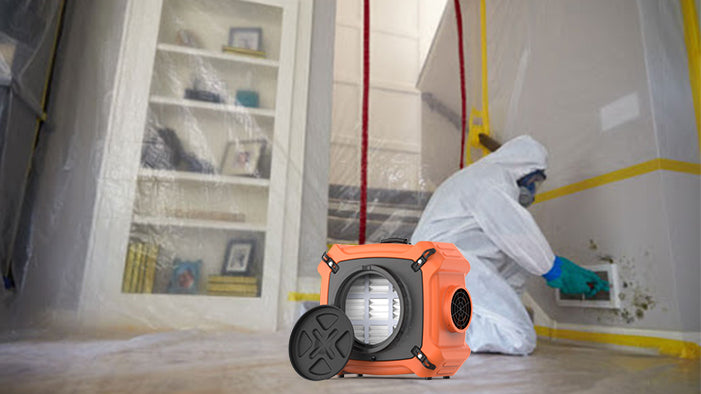

Proper remediation helps ensure indoor conditions return to normal and reduces the likelihood of mold returning.
Preventing Mold in Healthcare Buildings
Preventive maintenance is the most effective way to reduce mold risks.
Property owners and facility managers can reduce problems by:
- Servicing HVAC systems regularly
- Inspecting roofs and drainage systems
- Monitoring indoor humidity levels
- Checking ceiling tiles for stains
- Repairing plumbing leaks promptly
- Ensuring adequate ventilation in restrooms and utility areas
Routine inspections often prevent small moisture issues from becoming larger repairs.
The Importance of Maintenance Schedules
Healthcare facilities benefit from structured maintenance routines.
Helpful practices include:
- Seasonal roof inspections
- Regular HVAC servicing
- Inspection of ceiling spaces and mechanical rooms
- Monitoring humidity in treatment and storage areas
These steps help identify moisture issues early and maintain a clean, comfortable indoor environment.
Why Local Experience Matters in Brevard County
Mold behavior in coastal Brevard County differs from inland regions. Facilities in Merritt Island often experience:
- Higher humidity levels
- Salt air exposure affecting building materials
- Continuous air-conditioning operation
- Storm-related moisture intrusion
Professionals familiar with local building styles and environmental conditions can identify problems quickly and recommend solutions suited to healthcare facilities and other commercial properties.
Local knowledge often helps prevent recurring mold problems and ensures remediation efforts are effective.
A Calm, Practical Next Step
Mold in healthcare facilities is a manageable issue when moisture problems are identified and addressed early. Routine inspections, proper ventilation, and timely repairs help prevent mold from affecting building materials and indoor conditions.
If musty odors, ceiling stains, or persistent humidity are noticed in a healthcare facility, having the building evaluated can help determine whether mold is present and what steps may be needed.
For property owners and managers in Merritt Island and throughout Brevard County, proactive maintenance remains the most reliable way to keep healthcare facilities clean, comfortable, and well maintained year-round.
