
Mold Near Rivers and Lagoons in North Merritt Island: What Merritt Island Property Owners Should Know
Living in North Merritt Island offers a unique lifestyle. Homes near the Banana River, Indian River, and surrounding lagoons enjoy scenic views, cooling breezes, and easy access to boating and fishing. But waterfront living also brings one persistent challenge that many property owners eventually face—mold.
Homes near rivers and lagoons are naturally exposed to higher humidity, salt air, and moisture intrusion risks. These conditions don’t guarantee mold problems, but they do increase the likelihood, especially if small maintenance issues go unnoticed. Understanding why mold is more common near waterways and how to prevent it helps homeowners protect both their property and indoor air quality.
What the Mold Issue Really Is
Mold is a natural organism that grows wherever moisture and organic material are present. In homes, this usually means drywall, wood, insulation, or dust.
Mold spores exist everywhere in outdoor air, especially in coastal Florida. Problems begin when moisture allows spores to settle and multiply indoors. Near rivers and lagoons, higher humidity levels make this process happen faster than many homeowners expect.
Mold often starts in small, hidden areas and gradually spreads if moisture is not corrected.
Why Mold Is More Common Near Rivers and Lagoons
Homes in North Merritt Island face environmental conditions that encourage mold growth.
Higher humidity levels
Waterways release moisture into the air, especially during warm months. Even well-sealed homes can struggle to keep indoor humidity low without proper ventilation and air conditioning.
Frequent storms and rain
Wind-driven rain and heavy storms can introduce moisture into roofs, siding, and windows.
Salt air exposure
Salt air can accelerate wear on building materials, vents, and flashing, increasing the chance of small leaks over time.
High water tables
Ground moisture can affect crawl spaces, slab edges, and lower walls.
These factors explain why waterfront homes often require more consistent inspection and maintenance than inland properties.
Common Signs Homeowners Notice
Mold often provides early warning signs before it becomes extensive.
Property owners may notice:
- Musty or earthy odors
- Damp indoor air
- Dark spotting near vents or baseboards
- Bubbling or peeling paint
- Persistent humidity indoors


These signs are often subtle at first, which is why routine inspections are important in humid environments.
Hidden Mold Sources in Waterfront Homes
One of the biggest challenges with mold is that it often develops in places homeowners rarely see.
Common hidden locations include:
- Behind drywall after minor leaks
- Under flooring in kitchens or bathrooms
- Inside attic insulation
- Around HVAC air handlers and ducts
- Beneath cabinets or vanities


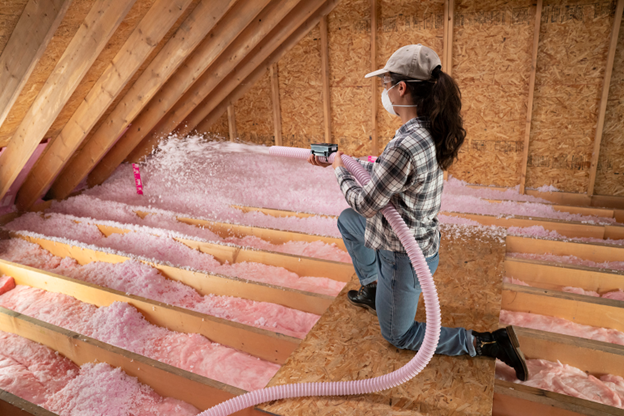
Because these areas trap moisture, mold can spread quietly for weeks or months before becoming visible.
Why Humidity Plays a Major Role
Humidity is one of the most important factors affecting mold growth in North Merritt Island homes.
Indoor humidity levels above about 60% create ideal conditions for mold. Unfortunately, coastal Florida often experiences outdoor humidity far above that level.
Factors that increase indoor humidity include:
- Turning off air conditioning for extended periods
- Poor attic ventilation
- Blocked or malfunctioning exhaust fans
- AC drain line issues
- Open windows during humid weather
Keeping humidity controlled is often the single most effective way to prevent mold near waterways.
Why DIY Mold Removal Often Falls Short
When homeowners notice mold, the first instinct is often to clean it with household products. While this may remove surface staining, it usually does not address the underlying moisture source.
DIY removal often fails because:
- Bleach does not penetrate porous materials well
- Hidden growth remains untreated
- Spores can spread during cleaning
- Moisture problems remain unresolved
In humid coastal environments, mold often returns if moisture is not corrected.
How Professional Mold Inspection Helps
A professional mold inspection focuses on identifying both visible and hidden moisture problems.
Typical steps include:
Visual inspection
Checking attics, air handlers, crawl spaces, and areas affected by past leaks.
Moisture detection
Using specialized tools to locate damp materials behind walls or beneath flooring.
Air or surface sampling when needed
Testing may be used to better understand indoor air conditions.
Companies familiar with local conditions, such as Mold Removal Merritt Island, understand how humidity, airflow, and building styles affect homes near the Banana River and Indian River.
Proper Mold Removal and Remediation Process
When mold removal is necessary, the goal is to correct the root problem and prevent recurrence.
A typical remediation process includes:
- Containment of affected areas
- Removal of contaminated materials when necessary
- Cleaning and air filtration
- Moisture source correction
- Drying and monitoring
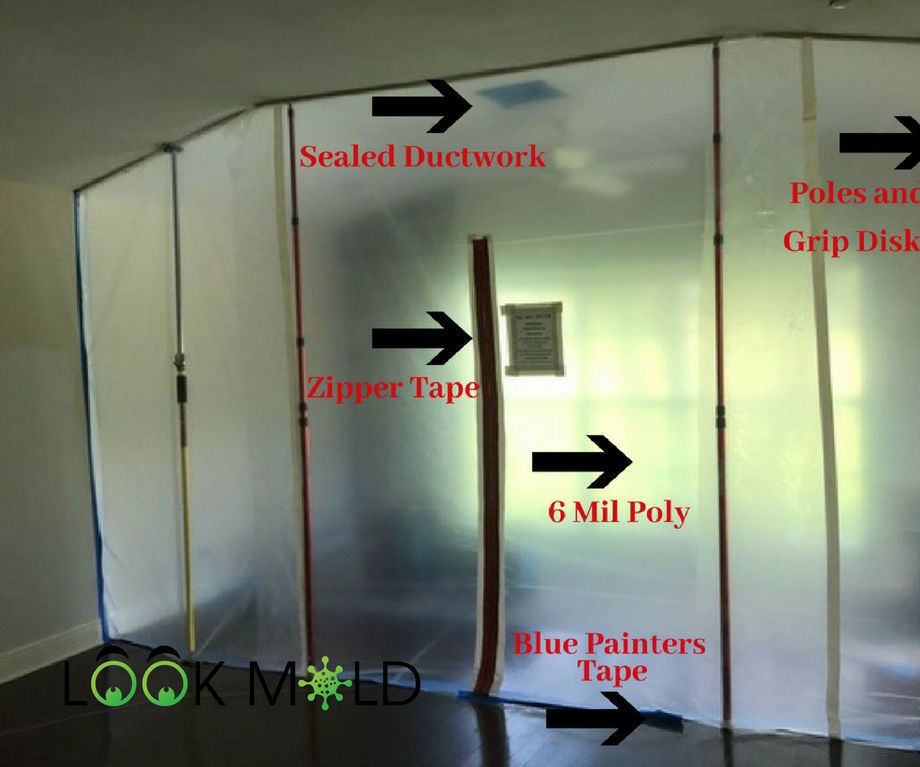
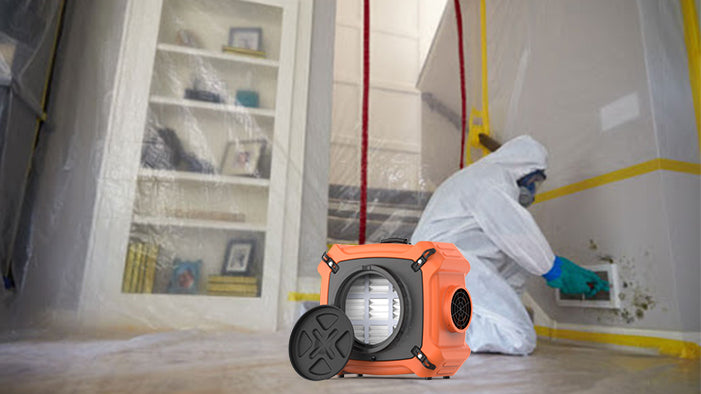

Addressing moisture is the most important step in preventing mold from returning.
How to Prevent Mold Near Rivers and Lagoons
Preventive maintenance is essential for waterfront homes.
Helpful steps include:
- Keeping indoor humidity between 45–55%
- Servicing HVAC systems regularly
- Ensuring attic ventilation is adequate
- Inspecting roofs and flashing after storms
- Checking under sinks and around appliances
- Using exhaust fans in kitchens and bathrooms
Many property owners also install dehumidifiers in areas that tend to feel damp, such as garages or closets.
Routine inspections—especially after storms—can prevent small moisture problems from becoming larger issues.
Why Local Experience Matters in North Merritt Island
Mold behavior in coastal environments differs significantly from inland regions. Homes near rivers and lagoons often experience:
- Higher baseline humidity
- Continuous AC operation
- Salt air exposure
- Storm-related moisture intrusion
Professionals familiar with Merritt Island construction styles, attic ventilation patterns, and waterfront exposure can identify problems more quickly and recommend solutions that last.
Local knowledge often makes a significant difference in both diagnosis and prevention.
A Calm, Practical Next Step
Mold near rivers and lagoons is a common challenge in North Merritt Island, but it is manageable with proper maintenance and early attention to moisture issues. Most mold problems begin small, and addressing them early usually prevents larger repairs later.
If you notice musty odors, persistent humidity, or signs of moisture in your home, having the property evaluated can provide clarity. Sometimes the solution is simple, and early action often prevents more extensive work.
For homeowners near the Banana River, Indian River, and surrounding lagoons, staying proactive is the best way to protect your home, indoor air quality, and long-term property value.
