
High Water Table Mold Issues in South Merritt Island: What Merritt Island Property Owners Should Know
South Merritt Island is known for waterfront neighborhoods, canals, and proximity to the Indian River Lagoon. But living close to water also means dealing with environmental conditions that many inland homeowners rarely think about—one of the most important being a high water table.
A high water table means groundwater sits relatively close to the surface. While this isn’t always visible, it can influence moisture levels in soil, foundations, crawl spaces, and indoor air. Over time, excess moisture from the ground can contribute to mold growth if it isn’t properly managed.
Understanding how high water tables affect homes in South Merritt Island helps property owners prevent mold problems and protect their homes long term.
What a High Water Table Means for Homes
The water table refers to the level below ground where soil is saturated with water. In coastal Florida, this level often rises during rainy seasons or after storms.
When groundwater sits close to the surface, moisture can affect:
- Concrete slabs
- Crawl spaces
- Foundation walls
- Flooring materials
- Indoor humidity levels
Even when there is no visible flooding, moisture can migrate upward through porous materials, increasing the risk of mold growth indoors.
Why High Water Tables Are Common in South Merritt Island
Several local conditions contribute to high water tables in this area.
Proximity to waterways
Homes near the Banana River, Indian River, and surrounding canals naturally have higher groundwater levels.
Heavy seasonal rainfall
South Florida storms and summer rains can raise groundwater levels temporarily, increasing soil moisture around homes.
Flat terrain and sandy soils
These conditions allow water to move and collect easily, especially in low-lying neighborhoods.
Frequent storms and hurricanes
Storm surge and prolonged rainfall can keep ground moisture elevated for extended periods.
Because these conditions are common, moisture management is especially important for homes in South Merritt Island.
How High Water Tables Contribute to Mold Growth
A high water table doesn’t directly cause mold, but it creates conditions where mold is more likely to develop.
Moisture from the ground can lead to:
- Damp crawl spaces
- Elevated indoor humidity
- Moisture beneath flooring
- Condensation in air-conditioned spaces
When moisture combines with warm temperatures and organic materials, mold growth can begin.
Common Signs of Ground-Related Moisture Problems
Homeowners often notice subtle signs before mold becomes visible.
Watch for:
- Musty odors, especially on lower floors
- Floors that feel slightly damp or cool
- Peeling paint near baseboards
- Warped flooring
- Persistent humidity indoors


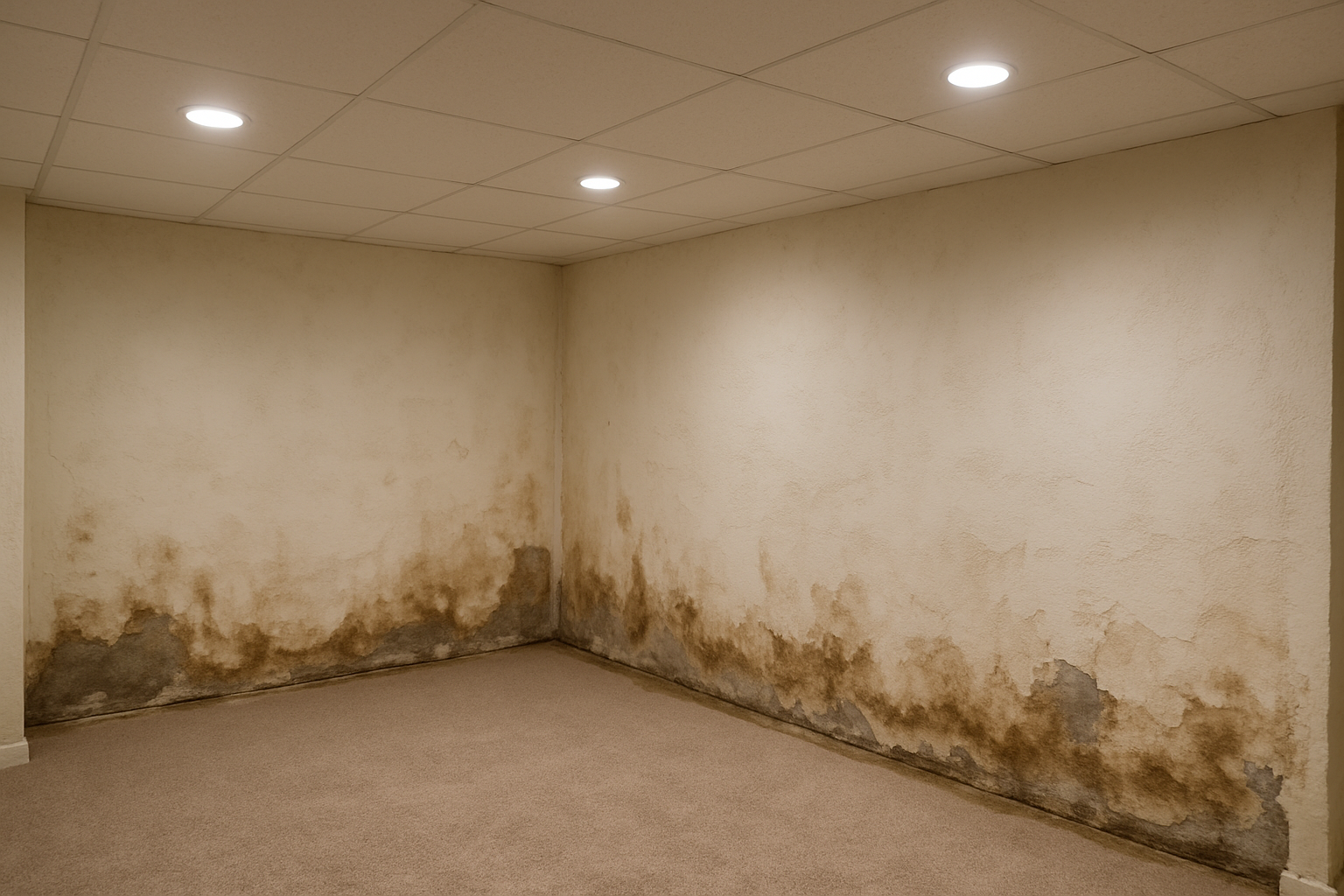
These signs often indicate moisture entering from below rather than from leaks above.
Hidden Mold Areas Linked to High Water Tables
Ground moisture often affects areas homeowners rarely inspect.
Common hidden locations include:
- Beneath flooring and subfloor materials
- Inside crawl spaces
- Behind lower sections of drywall
- Around slab edges and baseboards
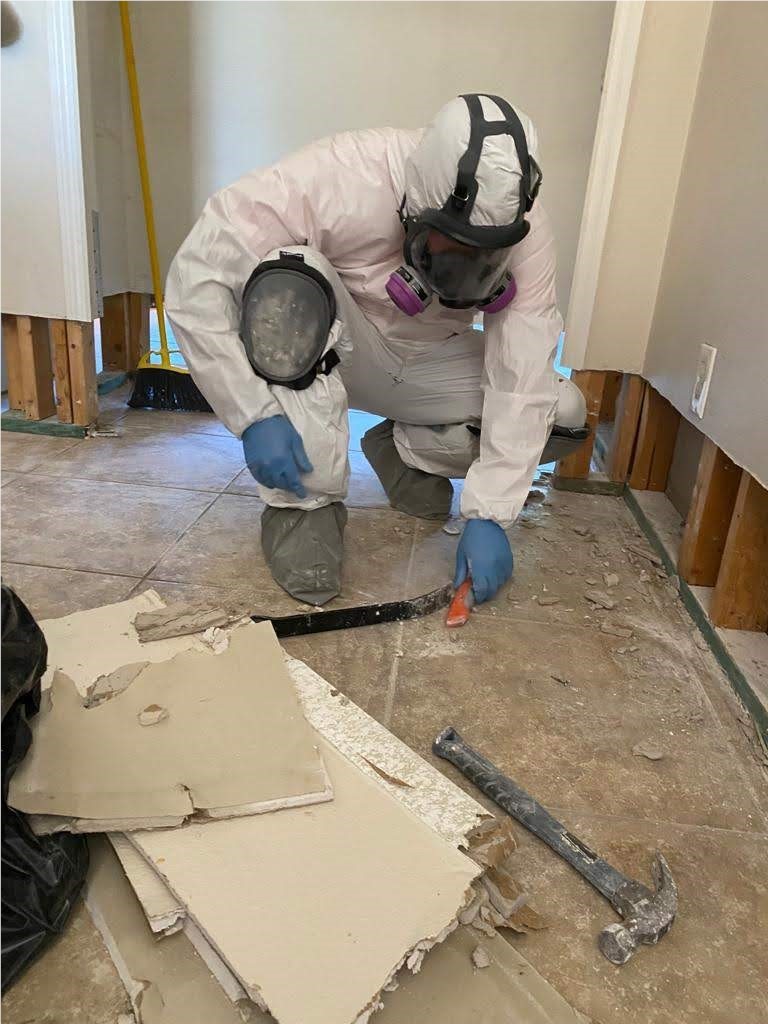


Because these areas are concealed, mold can spread quietly before becoming noticeable.
Why Humidity Increases in Homes With High Water Tables
Ground moisture doesn’t stay outside—it can affect indoor air.
When moisture evaporates from soil beneath or around a home, it raises indoor humidity levels. Air-conditioning systems remove some moisture, but if humidity is consistently high, mold-friendly conditions can develop.
Factors that increase indoor humidity include:
- Poor crawl space ventilation
- Inadequate vapor barriers
- AC systems that are oversized or poorly maintained
- Frequent rain and saturated soil
Managing humidity is often the key to preventing mold in these situations.
Why DIY Mold Removal Often Falls Short
When mold appears on flooring, baseboards, or lower walls, homeowners sometimes clean the visible growth without realizing that moisture from below is still present.
DIY cleaning may fail because:
- Moisture sources remain unresolved
- Mold inside porous materials is not removed
- Humidity levels remain high
- Hidden growth continues beneath surfaces
Without correcting the moisture issue, mold often returns.
How Professional Mold Inspection Helps
A professional inspection focuses on identifying moisture sources as well as mold growth.
Typical steps include:
Visual inspection
Checking lower walls, flooring, crawl spaces, and HVAC systems.
Moisture detection
Meters and imaging tools help locate damp materials beneath surfaces.
Evaluation of ventilation and humidity conditions
This helps determine whether ground moisture is contributing to indoor humidity.
Companies familiar with local conditions, such as Mold Removal Merritt Island, understand how high water tables affect homes throughout South Merritt Island and nearby waterfront neighborhoods.
Proper Mold Removal and Remediation Process
When mold is present, remediation focuses on both removal and prevention.
Typical steps include:
- Containment of affected areas
- Removal of contaminated materials when necessary
- Cleaning and air filtration
- Moisture control and drying
- Preventive recommendations
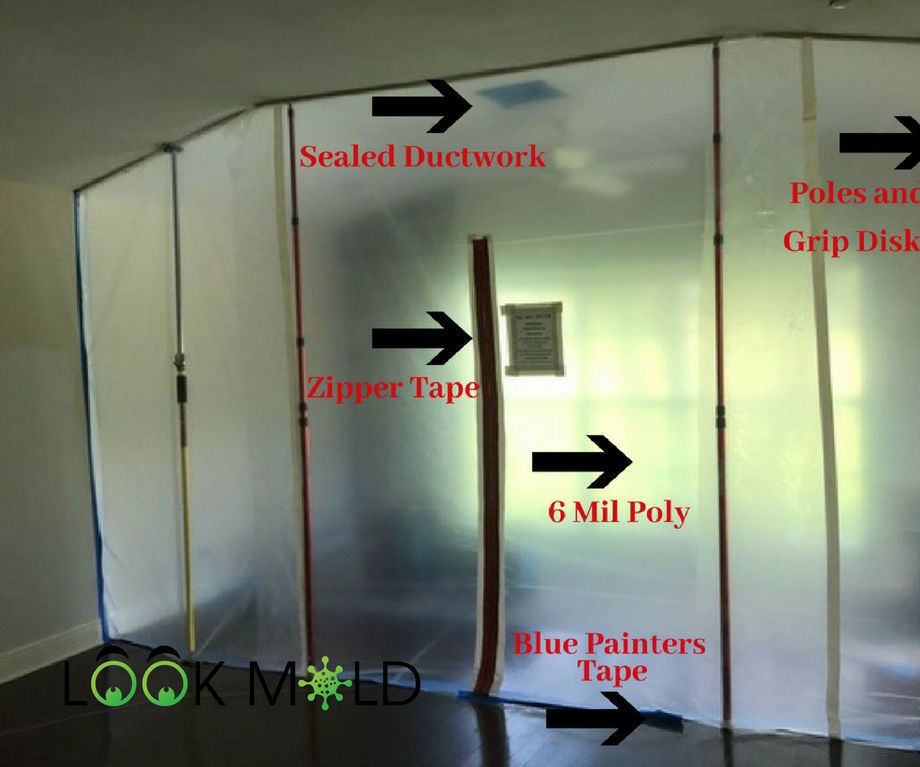
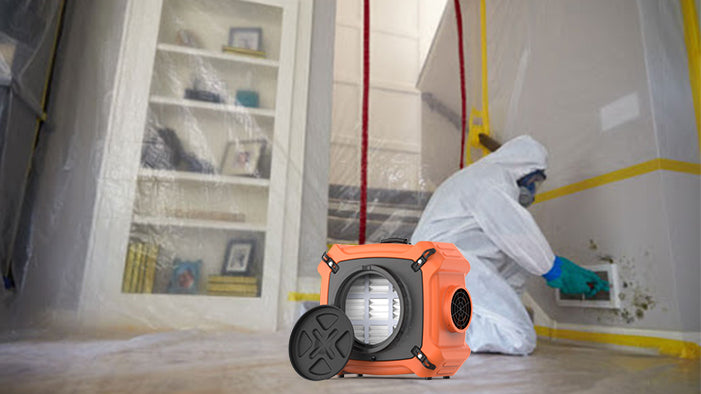

Correcting moisture is essential to prevent mold from returning.
How to Prevent Mold Problems Caused by High Water Tables
Preventive measures can significantly reduce mold risks in South Merritt Island homes.
Helpful steps include:
- Keeping indoor humidity between 45–55%
- Using dehumidifiers in damp areas
- Ensuring crawl spaces have proper vapor barriers
- Servicing HVAC systems regularly
- Inspecting flooring and baseboards periodically
- Monitoring indoor humidity levels
Routine inspections after heavy rains or storms are especially important when groundwater levels are high.
Why Local Experience Matters
Homes in South Merritt Island are influenced by environmental factors that differ from inland areas, including:
- High water tables
- Waterfront humidity
- Continuous AC operation
- Storm-related moisture intrusion
Professionals familiar with local building styles and soil conditions can identify moisture sources more quickly and recommend solutions suited to coastal homes.
Local knowledge often helps prevent recurring problems and ensures remediation efforts are effective.
A Calm, Practical Next Step
High water tables are a normal part of living in coastal Florida, but they don’t have to lead to mold problems. Monitoring humidity, maintaining ventilation, and addressing moisture early are the most effective ways to protect your home.
If you notice musty odors, damp flooring, or persistent humidity—especially on lower floors—having the property evaluated can help determine whether ground moisture is contributing to mold growth.
For property owners in South Merritt Island and throughout Brevard County, staying proactive is the best way to maintain indoor air quality, protect building materials, and prevent small moisture issues from becoming larger repairs.
