
Cheap Mold Removal Risks in North Merritt Island: What Merritt Island Property Owners Should Know
When mold appears in a home, it’s natural to look for the fastest and most affordable solution. Many property owners in North Merritt Island begin searching for low-cost mold removal services or quick fixes, hoping to solve the problem without major expense.
But in coastal environments like Merritt Island, cheap mold removal often costs more in the long run. Incomplete cleaning, missed moisture problems, and improper techniques can allow mold to return—sometimes worse than before. Understanding the risks helps homeowners make better decisions and avoid repeated repairs.
What “Cheap Mold Removal” Usually Means
Low-cost mold removal often focuses only on visible mold. This approach may involve:
- Spraying or wiping surfaces
- Painting over stained areas
- Cleaning without containment
- Skipping moisture detection
While these methods may improve appearance temporarily, they rarely address the underlying cause of mold growth.
Mold problems are usually moisture problems first. If the source of moisture remains, mold will return.
Why Mold Problems Are Common in North Merritt Island
Homes in North Merritt Island face several environmental conditions that make mold growth more likely.
These include:
Persistent humidity
Moist air from surrounding waterways such as the Indian River and Banana River keeps humidity levels elevated much of the year.
Frequent rain and storms
Even minor roof or window leaks can introduce moisture into walls or attics.
Air-conditioning condensation
AC systems run nearly year-round, and clogged drain lines or duct leaks can create hidden damp areas.
High water tables and coastal exposure
Ground moisture and salt air can affect building materials over time.
Because these conditions are ongoing, mold removal must address moisture control—not just surface cleaning.
Signs Cheap Mold Removal Didn’t Solve the Problem
Homeowners often realize a problem wasn’t fixed when symptoms return within weeks or months.
Common warning signs include:
- Musty odors returning
- Stains reappearing on walls or ceilings
- Humidity problems continuing
- Mold spreading into new areas
- Paint bubbling or peeling


These signs often indicate that mold was cleaned from the surface but not removed from deeper materials or hidden areas.
Hidden Mold Is Often Missed in Low-Cost Work
One of the biggest risks of inexpensive mold removal is that hidden growth goes untreated.
Common hidden locations include:
- Behind drywall
- Under flooring
- Inside attic insulation
- Around HVAC systems
- Beneath cabinets and vanities
Without moisture detection tools and proper inspection, these areas are easy to overlook. Mold can continue spreading quietly even after visible areas look clean.
Lack of Containment Can Spread Mold
Proper remediation uses containment barriers and air filtration to prevent spores from spreading to other rooms.
Cheap or rushed work often skips this step, which can allow spores to travel through:
- Air currents
- HVAC systems
- Foot traffic and clothing
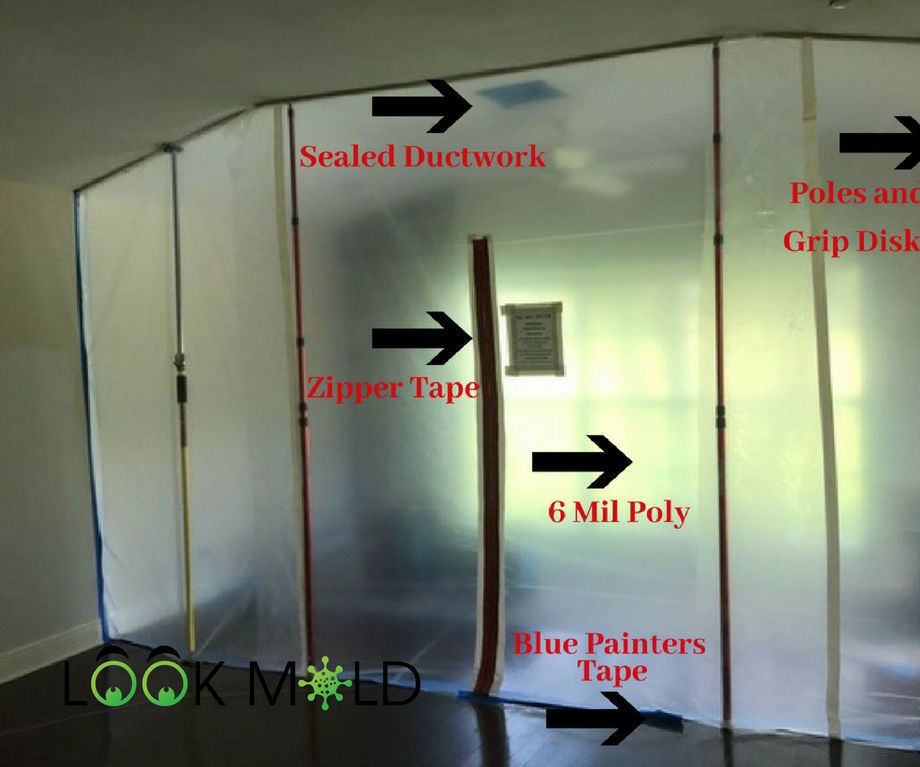
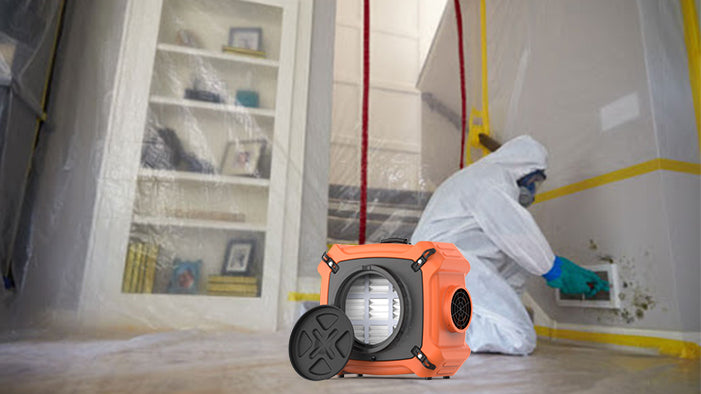

Without containment, mold problems sometimes expand beyond the original area, increasing repair costs later.
Moisture Sources Often Go Uncorrected
Mold cannot grow without moisture. Yet low-cost removal frequently focuses only on cleaning, not on fixing the cause.
Moisture sources commonly missed include:
- Slow plumbing leaks
- Roof flashing problems
- AC condensate drain issues
- Poor attic ventilation
- Humidity trapped in closets or storage areas
If moisture is not corrected, mold often returns within a short period.
Use of Incorrect Cleaning Methods
Some low-cost services rely heavily on bleach or household chemicals. While these products may remove stains temporarily, they do not always penetrate porous materials like drywall or wood.
Improper cleaning can also:
- Damage materials
- Spread spores
- Leave residues that trap moisture
Effective mold removal requires methods designed for building materials and indoor air quality, not just general cleaning products.
Structural Damage Can Become Worse
When mold growth continues unnoticed, it can gradually weaken building materials.
Long-term mold exposure may affect:
- Drywall
- Wood framing
- Subflooring
- Ceiling materials

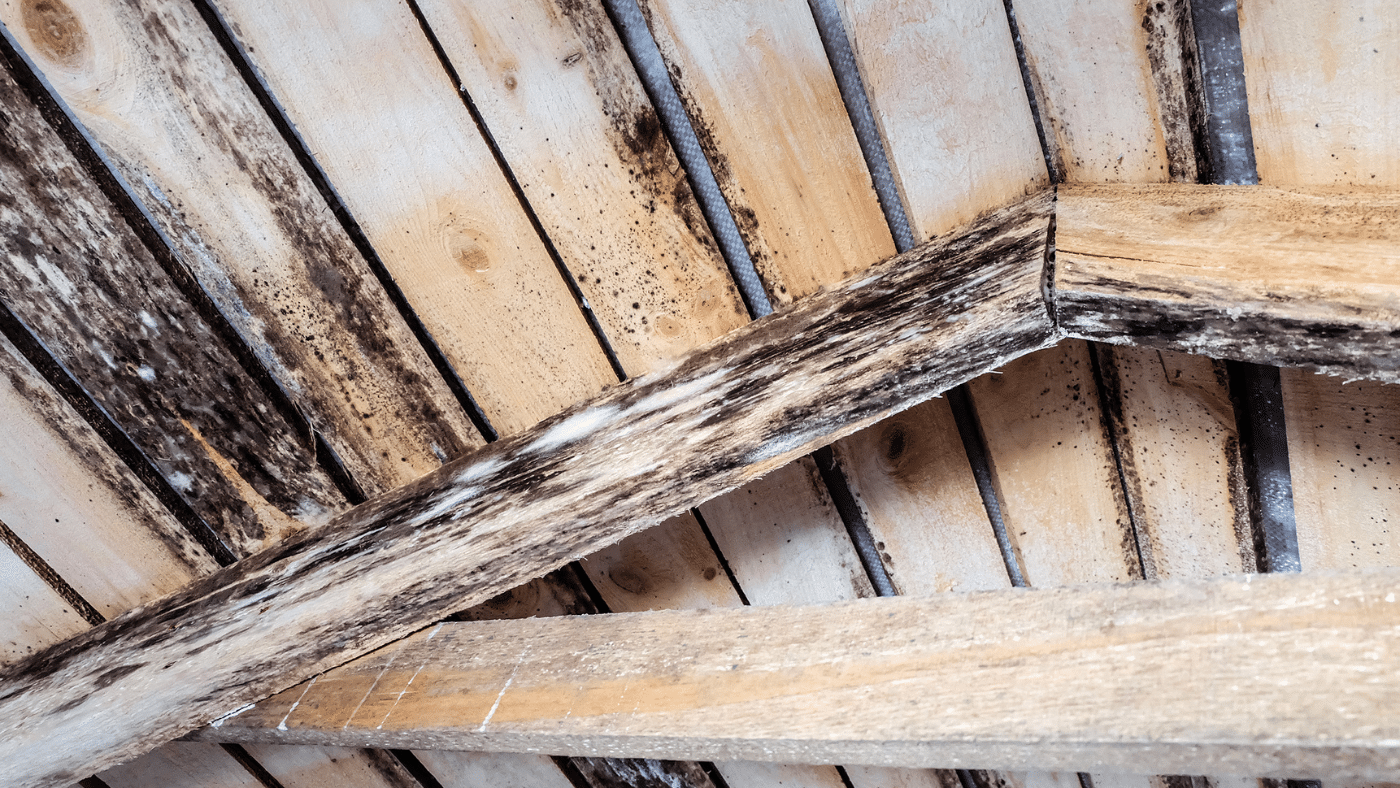
Repairing structural damage is often far more expensive than addressing mold early and properly.
Why Professional Inspection Makes a Difference
A thorough mold inspection helps determine:
- Where mold is growing
- Why moisture is present
- How far contamination has spread
- What steps are needed to correct the problem
Inspection tools such as moisture meters and thermal imaging allow professionals to identify hidden damp areas that surface cleaning alone cannot address.
This step often prevents unnecessary work while ensuring real problems are found.
How Proper Mold Remediation Prevents Repeat Problems
Effective remediation focuses on long-term solutions, not short-term appearance.
Typical steps include:
- Inspection and moisture detection
- Containment of affected areas
- Removal of contaminated materials when necessary
- Cleaning and air filtration
- Drying and moisture correction
When these steps are followed, mold is far less likely to return.
Professionals familiar with local conditions, such as Mold Removal Merritt Island, understand how humidity, coastal airflow, and building styles affect mold growth in neighborhoods throughout North Merritt Island.
How to Reduce Mold Risks Without Cutting Corners
Property owners can reduce the likelihood of mold problems by taking preventive steps:
- Keep indoor humidity between 45–55%
- Service HVAC systems regularly
- Check condensate drain lines
- Inspect roofs after storms
- Use exhaust fans in bathrooms and kitchens
- Monitor attics and closets for moisture
Routine maintenance often prevents mold from becoming a major issue.
Why Local Experience Matters in North Merritt Island
Mold removal in coastal Brevard County requires understanding local conditions.
Homes in North Merritt Island often have:
- Waterfront exposure
- Continuous AC operation
- High humidity even in cooler months
- Older roofs or ventilation systems
Professionals familiar with these factors can identify moisture sources more quickly and recommend solutions that last.
A Calm, Practical Next Step
Choosing the lowest price for mold removal can be tempting, but incomplete work often leads to recurring problems, additional repairs, and higher long-term costs. Mold removal is most effective when the underlying moisture problem is identified and corrected.
If you notice musty odors, recurring stains, or signs of moisture in your home, having the property evaluated can help determine the right course of action. Sometimes the solution is simple, and early action often prevents larger issues later.
In North Merritt Island and throughout Brevard County, staying proactive is the best way to protect your home, indoor air quality, and long-term property value.
