
Mold Removal Cost Factors in Merritt Island: What Merritt Island Property Owners Should Know
When mold is discovered in a home, one of the first questions property owners ask is straightforward: How much will mold removal cost?
The honest answer is that costs can vary widely depending on several factors. In Merritt Island, conditions such as coastal humidity, storm exposure, and building styles often influence both the extent of mold growth and the work required to correct it properly.
Understanding what affects mold removal costs helps homeowners and landlords make informed decisions and avoid surprises during the process.
What Mold Removal Costs Actually Cover
Many people assume mold removal means simply cleaning visible growth. In reality, professional mold removal usually involves several steps, including:
- Inspection and moisture detection
- Containment of affected areas
- Removal of contaminated materials when necessary
- Cleaning and air filtration
- Drying and moisture correction
The goal is not just to remove mold but to prevent it from returning. That preventive work is often a major part of the overall cost.
Why Mold Problems Are Common in Merritt Island
Homes in Merritt Island face environmental conditions that increase the likelihood of mold growth.
These include:
Persistent humidity
Moist air from the Banana River, Indian River, and Sykes Creek keeps humidity levels elevated throughout much of the year.
Frequent storms and heavy rain
Roof leaks, window intrusion, and minor flooding can introduce moisture into building materials.
Air-conditioning use
AC systems run almost continuously, and condensation can accumulate if drains clog or ducts leak.
High water tables
Ground moisture can affect slab edges, crawl spaces, and lower wall areas.
Because mold growth often spreads quietly in these conditions, the extent of contamination sometimes becomes larger than expected before it is discovered.
The Size of the Affected Area
One of the biggest factors influencing cost is the size of the mold-affected area.
Small areas, such as minor growth under a sink or in a closet, usually require less containment, labor, and material removal. Larger areas—especially those involving multiple rooms or attics—require more time, equipment, and safety measures.
When mold spreads into wall cavities, insulation, or flooring, additional work is often needed to remove and replace materials.
Location of the Mold in the Home
Where mold is located can significantly affect the difficulty of removal.
Common high-impact locations include:
- Attics
- Crawl spaces
- Behind drywall
- Under flooring
- HVAC systems
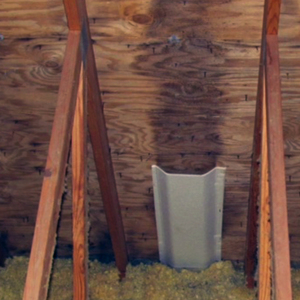
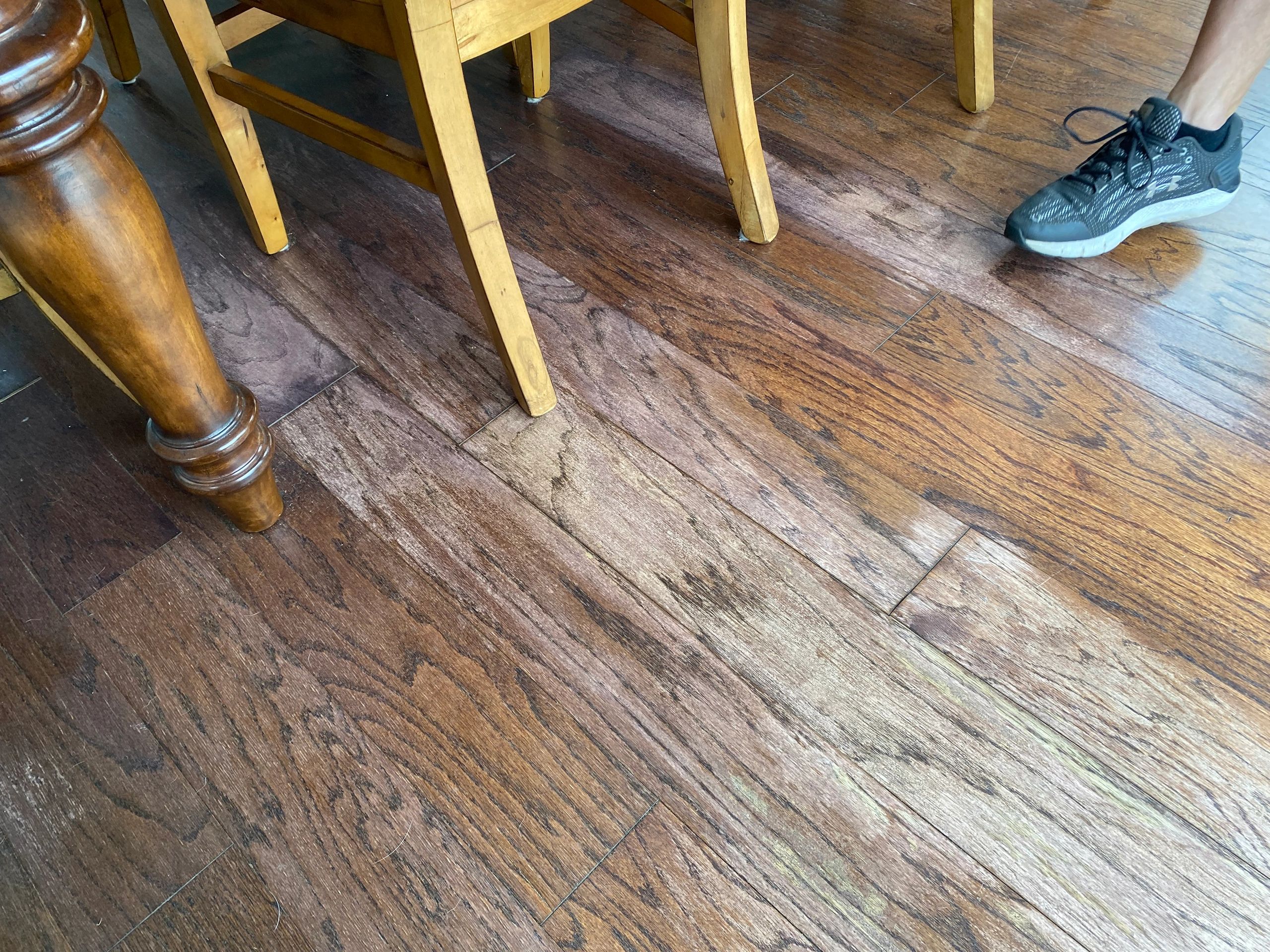

These areas often require specialized equipment or partial demolition to access, which can increase labor time and overall cost.
The Source of Moisture
Mold cannot grow without moisture, so identifying and correcting the source is essential.
Costs can increase if the moisture source involves:
- Roof repairs
- Plumbing leaks
- Drainage problems
- HVAC condensate issues
- Structural repairs after storm damage
Addressing moisture problems is critical, because mold often returns if the underlying cause is not corrected.
Type of Materials Affected
Different building materials respond differently to mold contamination.
Non-porous surfaces
Tile, metal, or glass can often be cleaned effectively.
Porous materials
Drywall, insulation, carpeting, and wood may need to be removed if contamination is extensive.
The more materials that must be removed and replaced, the more labor and restoration work are required.
Level of Containment Required
Containment is used to prevent mold spores from spreading to other parts of the home during removal.
Depending on the size of the affected area, containment may include:
- Plastic barriers
- Negative air pressure systems
- Air filtration equipment
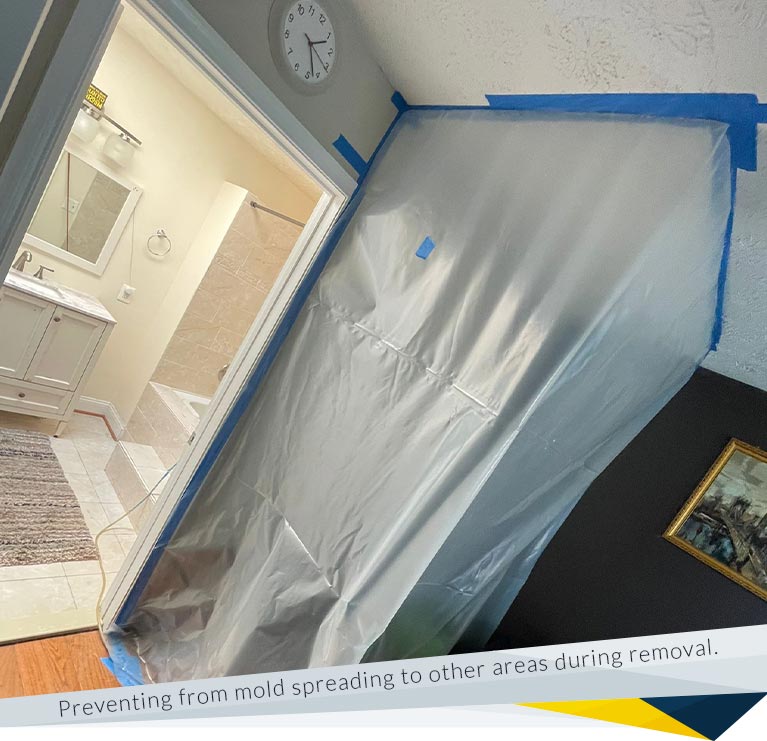


Larger containment areas require more equipment and setup time, which can influence overall costs.
Accessibility and Home Layout
The design of a home also plays a role in mold removal costs.
For example:
- Tight attic spaces may slow removal work
- Multi-story homes may require additional equipment
- Built-in cabinets or flooring may need partial removal
- Waterfront homes may have complex ventilation systems
Older homes in Merritt Island sometimes have limited attic ventilation or insulation configurations that make remediation more time-consuming.
Inspection and Testing Needs
Some projects include mold inspection or testing before or after remediation.
Testing may be recommended when:
- Indoor air quality concerns are present
- The extent of contamination is unclear
- Documentation is needed for property transactions
While testing adds an additional step, it often helps ensure the problem has been fully resolved.
Severity and Duration of the Problem
The longer mold has been present, the more extensive the damage may be.
Long-term growth can lead to:
- Deeper penetration into materials
- Structural damage to wood or drywall
- Larger contaminated areas
- Stronger odors requiring more cleaning

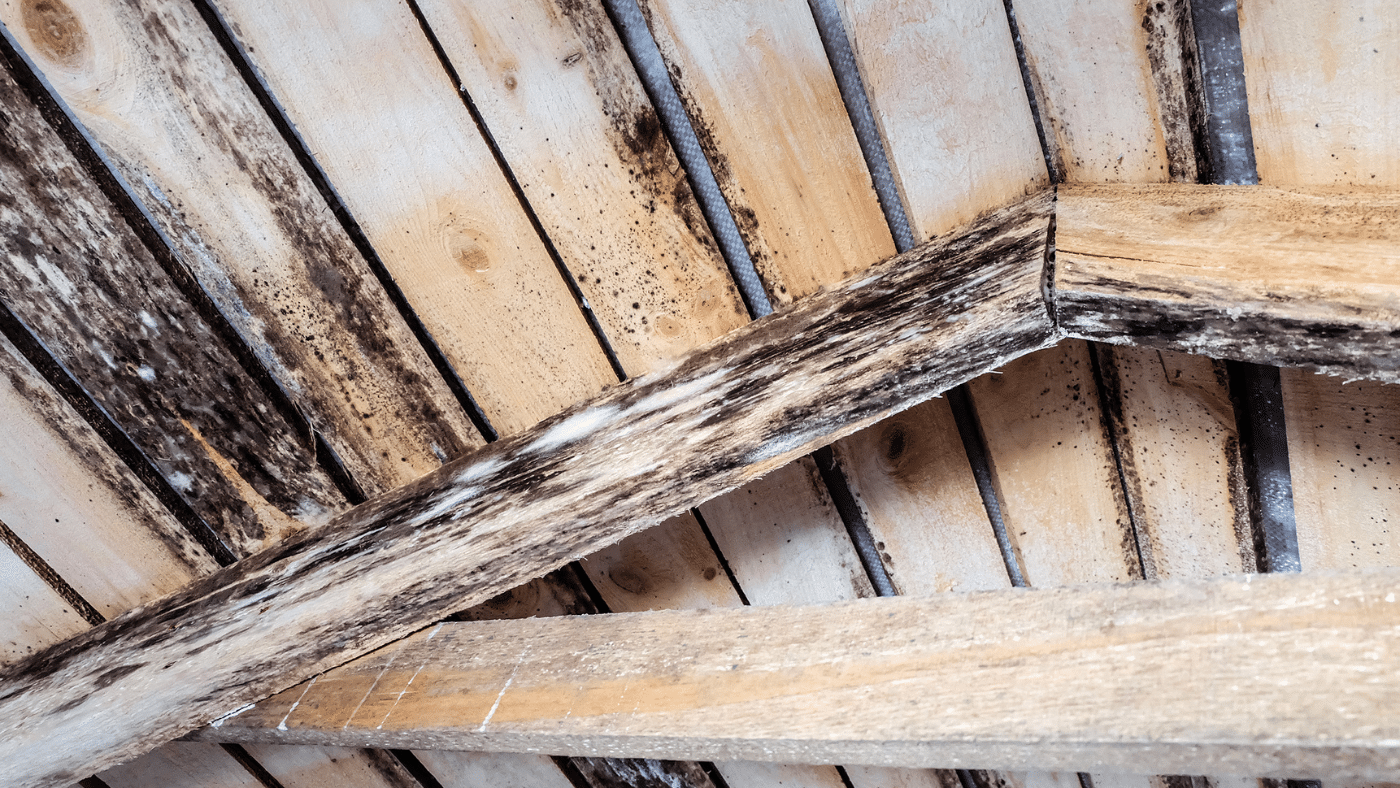

Early detection often reduces both damage and overall remediation costs.
Why DIY Mold Removal Can Become More Expensive
Some homeowners attempt to clean mold themselves to save money, but this approach sometimes increases costs later.
Common issues include:
- Incomplete removal allowing mold to spread
- Moisture problems left unresolved
- Spores spreading to new areas during cleaning
- Hidden contamination not addressed
When mold returns or spreads, remediation may require more extensive work than if it had been addressed properly at the beginning.
How to Reduce Mold Removal Costs
While some factors are unavoidable, property owners can reduce costs by taking preventive steps.
Helpful measures include:
- Fixing leaks promptly
- Keeping indoor humidity below 55%
- Servicing HVAC systems regularly
- Inspecting roofs after storms
- Monitoring attics and closets for moisture
Routine inspections are especially important in coastal environments like Merritt Island, where humidity remains high much of the year.
Why Local Experience Matters
Mold removal in Merritt Island is different from work in drier climates. Professionals familiar with Brevard County conditions understand:
- Coastal humidity patterns
- Common attic and ventilation issues
- Slab foundations and moisture behavior
- Storm-related water intrusion
- AC condensation problems
Local knowledge often allows faster identification of moisture sources and more effective long-term solutions. Companies such as Mold Removal Merritt Island regularly work in neighborhoods near Sykes Creek, Banana River, and the Indian River, where environmental conditions are unique to coastal Florida.
A Calm, Practical Next Step
Mold removal costs can vary because every home and situation is different. The size of the affected area, the location of mold, the materials involved, and the source of moisture all play a role in determining the scope of work.
If you suspect mold or notice musty odors, staining, or persistent humidity, having a professional inspection performed can help clarify the situation. Sometimes the solution is simple, and early action often prevents more extensive repairs later.
In Merritt Island’s humid coastal climate, staying proactive is the most effective way to protect your home, maintain indoor air quality, and keep mold problems manageable over the long term.
