
Is Mold Dangerous in Sykes Creek: What Merritt Island Property Owners Should Know
Living near the water in Sykes Creek has its advantages—beautiful views, steady coastal breezes, and easy access to the waterways that make Merritt Island unique. But the same environment that makes the area appealing also creates conditions where mold can thrive.
One of the most common questions property owners ask is simple: Is mold actually dangerous, or just unsightly? The honest answer is that mold can range from a minor nuisance to a serious indoor air quality problem, depending on how long it’s present, how widespread it is, and what’s causing the moisture.
Understanding how mold behaves in coastal environments like Sykes Creek helps homeowners recognize risks early and take the right steps before small issues turn into expensive repairs.
What the Mold Issue Really Is
Mold is a natural organism that grows wherever moisture and organic material are present. In homes, that usually means drywall, wood framing, insulation, carpeting, or dust.
In areas like Merritt Island, mold problems often develop slowly and quietly. A small leak under a sink, condensation in an attic, or humidity trapped in a closet can allow mold colonies to develop long before anyone notices.
The danger isn’t always dramatic or obvious. Sometimes mold growth remains hidden, gradually affecting air quality or damaging building materials over time.
Why This Happens So Often in Sykes Creek
Homes near Sykes Creek face several environmental factors that increase mold risk.
Persistent humidity is one of the biggest contributors. Even well-maintained homes can struggle to keep indoor humidity levels consistently low, especially during Florida’s long warm seasons.
Other local factors include:
- Moist air coming from surrounding waterways like the Banana River and Indian River
- High water tables that keep soil and foundations damp
- Frequent storms and heavy rain
- Salt air that accelerates wear on roofs, vents, and exterior materials
- Air-conditioning systems that run nearly year-round, creating condensation
Even newer homes in North or South Merritt Island can develop mold if ventilation or drainage isn’t ideal.
Common Signs Homeowners Notice
Many mold problems are first discovered through small warning signs rather than visible patches on walls.
Property owners often notice:
- A persistent musty odor
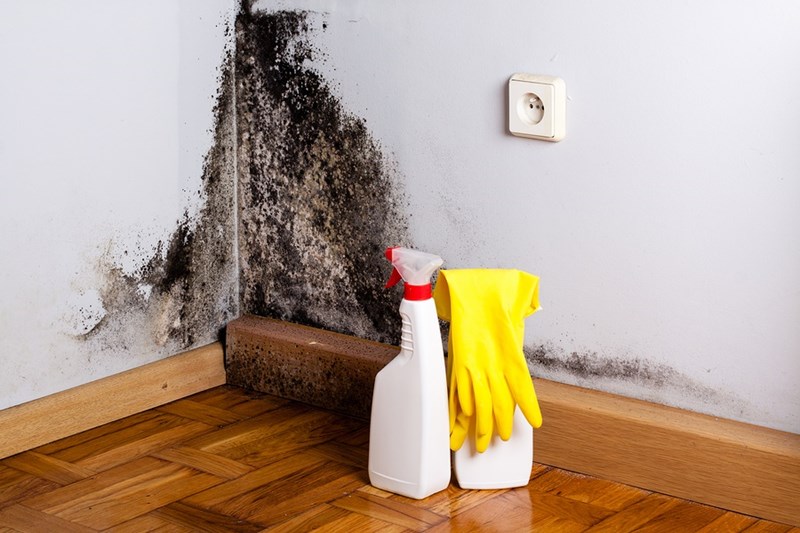
- Dark spotting near vents or baseboards
- Paint bubbling or drywall staining
- Increased humidity indoors
- Allergy-like symptoms that improve when leaving the house
Sometimes the signs are subtle. A room may feel damp even when the AC is running properly, or a closet may develop a stale smell after rainy weeks.
Hidden or Overlooked Mold Sources
One of the reasons mold can become dangerous is that it often grows in areas homeowners rarely inspect.
Common hidden locations include:
- Behind drywall after minor leaks
- Under flooring in kitchens or bathrooms
- Inside attic insulation
- Around HVAC air handlers and ducts
- Beneath cabinets or vanities
- Areas affected by past storm damage

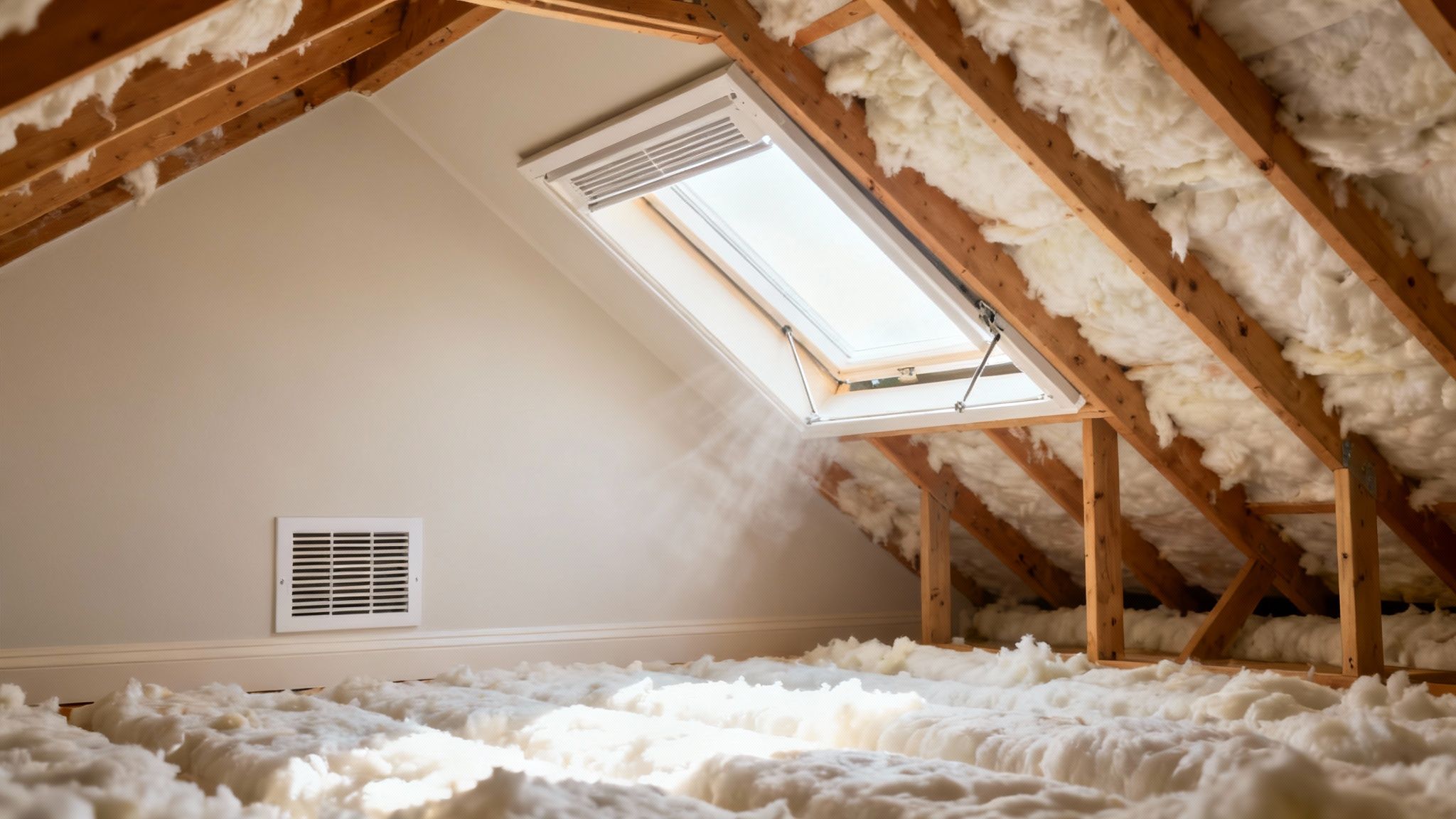
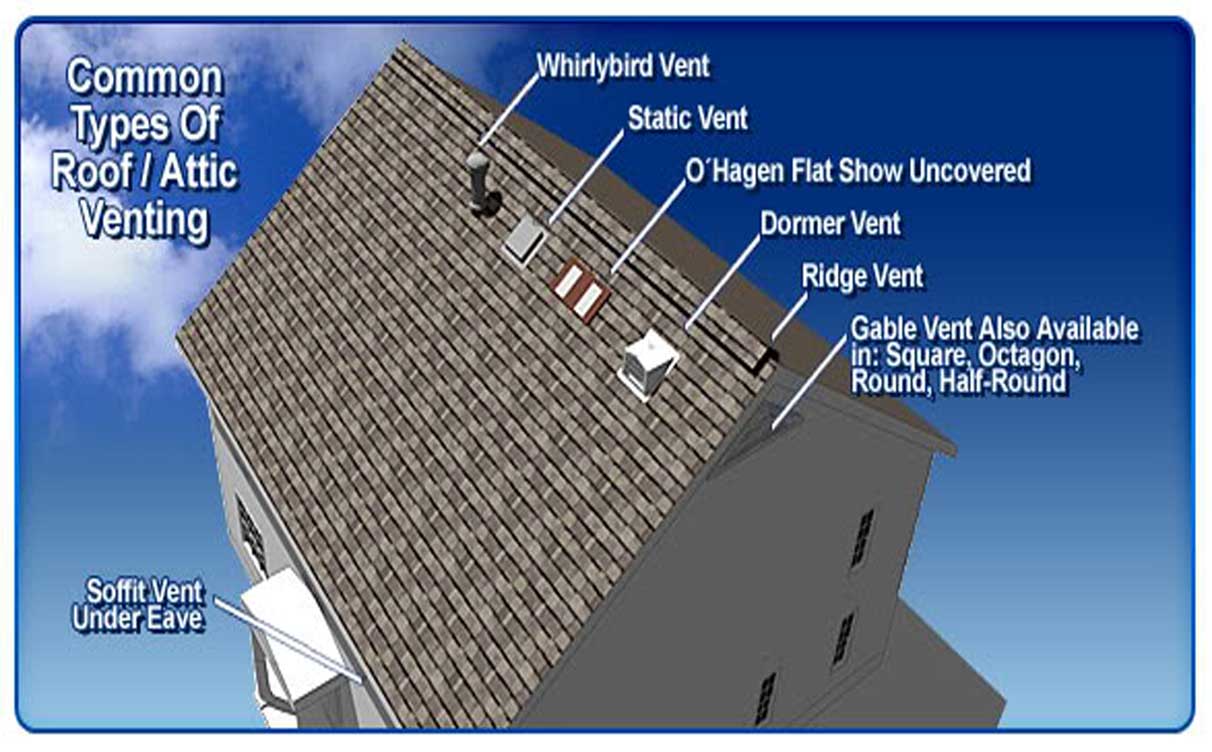
In Sykes Creek homes, attic mold is particularly common because warm, humid air rises and condenses against cooler roof surfaces, especially if ventilation is limited.
Is Mold Actually Dangerous?
Mold affects homes in two main ways: structural damage and indoor air quality.
Structural Damage
Mold feeds on organic materials, meaning it can gradually weaken:
- Drywall
- Wood framing
- Subflooring
- Ceiling materials
Left untreated, what begins as a small patch can spread into framing cavities or insulation, increasing repair costs significantly.
Indoor Air Quality Concerns
Mold releases microscopic spores into the air. In enclosed spaces, these spores can accumulate, especially when air circulation is poor.
Some people may experience:
- Irritated sinuses
- Coughing or throat irritation
- Increased sensitivity to dust or humidity
Not everyone reacts the same way, but indoor air quality problems are one of the most common reasons homeowners decide to schedule inspections.
Why DIY Mold Removal Usually Fails
It’s tempting to clean visible mold with household cleaners or bleach, but this approach often solves only part of the problem.
Here’s why DIY removal frequently falls short:
- Bleach does not penetrate porous materials effectively
- Cleaning visible areas doesn’t address hidden growth
- Spores can spread during improper cleaning
- The underlying moisture source often remains
In coastal environments like Merritt Island, moisture control is just as important as mold removal. Without fixing humidity or leaks, mold often returns.
Professional Mold Inspection and Testing Explained
A thorough mold inspection focuses on identifying both visible and hidden moisture issues.
Typical steps include:
Visual inspection
Checking common problem areas such as attics, HVAC systems, and under sinks.
Moisture detection
Using specialized tools to locate damp materials behind walls or beneath flooring.
Air or surface sampling (when needed)
Samples may be collected to better understand indoor air conditions or confirm mold presence in uncertain situations.
Lab results, when used, help clarify the extent of the issue rather than simply confirming that mold exists—which is already common in outdoor environments.
Proper Mold Removal and Remediation Process
Professional remediation is designed to solve the root problem, not just remove surface growth.
The process generally includes:
- Containment to prevent spores from spreading
- Removal of affected materials when necessary
- Cleaning and treatment of surrounding surfaces
- Moisture correction to prevent recurrence
- Drying and monitoring of the affected area
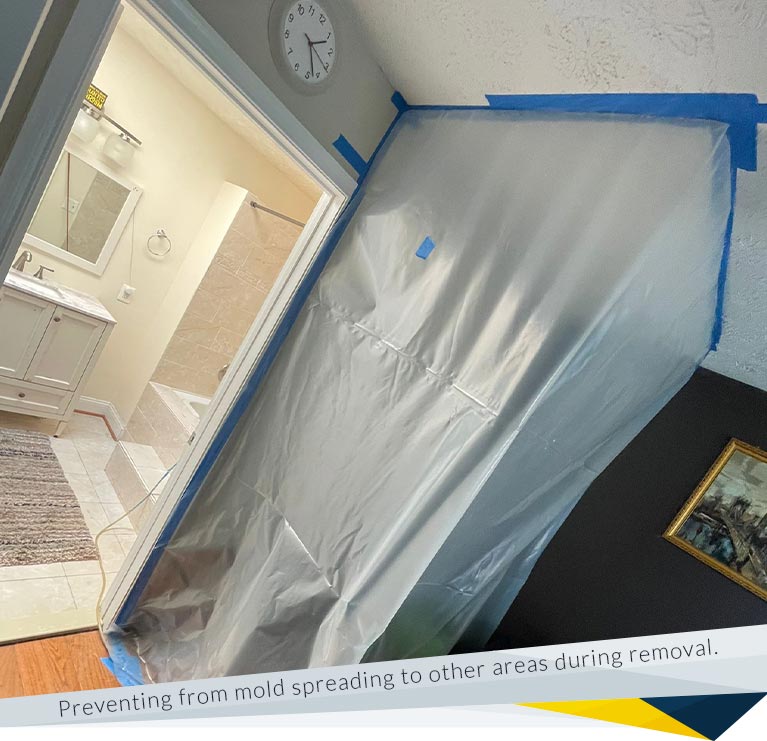
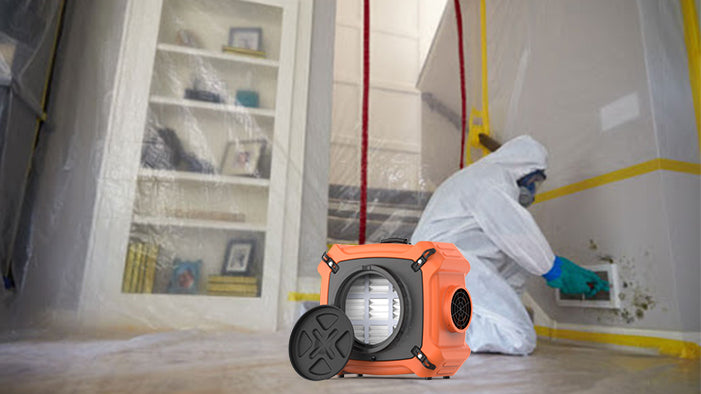
Companies familiar with Merritt Island conditions understand how humidity, salt air, and ventilation issues interact, which helps ensure the problem is resolved thoroughly.
How to Prevent Mold in Merritt Island Homes
Prevention is often simpler and less expensive than remediation.
Property owners in Sykes Creek can reduce risk by:
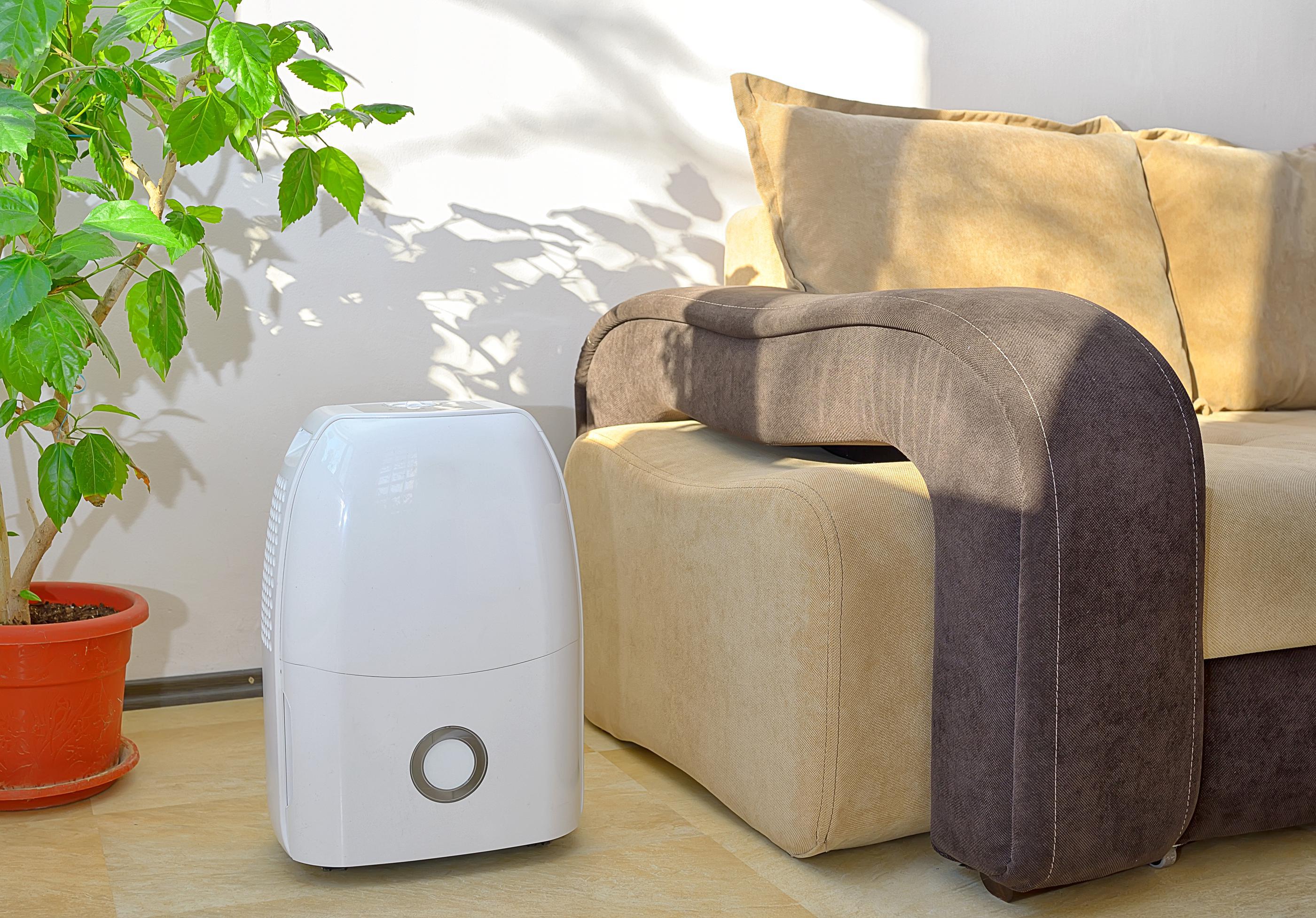
- Keeping indoor humidity between 45–55%
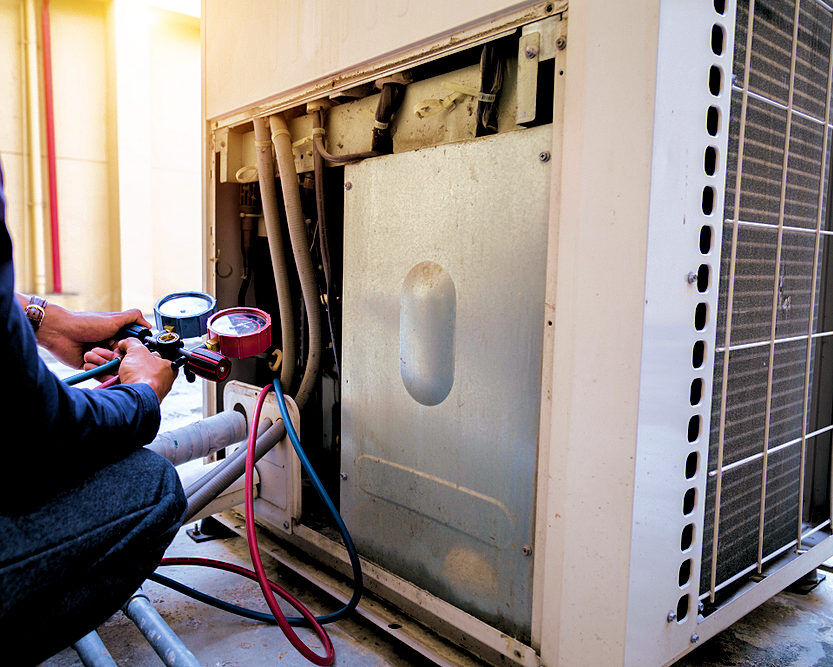
- Servicing AC systems regularly
- Ensuring attic ventilation is adequate
- Inspecting roofs and flashing after storms
- Running bathroom and kitchen exhaust fans
- Checking under sinks and around appliances for slow leaks
Even simple seasonal inspections can prevent many mold problems from developing.
Why Local Merritt Island Experience Matters
Mold behaves differently in coastal environments than in inland or cooler climates.
Homes in Merritt Island often feature:
- Slab foundations
- Waterfront exposure
- Older roof systems
- Continuous AC operation
Understanding these factors helps inspectors identify issues faster and recommend solutions that work in real Florida conditions—not just textbook scenarios.
That’s why many property owners choose local specialists like Mold Removal Merritt Island, who are familiar with building styles and moisture patterns across Sykes Creek, North Merritt Island, and surrounding communities.
A Calm, Practical Next Step
Not every mold problem is dangerous, but ignoring early warning signs can allow conditions to worsen. If you notice musty odors, persistent humidity, or unexplained staining, having the property evaluated can provide clarity and peace of mind.
A professional inspection doesn’t always mean major remediation is needed. Sometimes small adjustments—improving ventilation, repairing a minor leak, or controlling humidity—are enough to prevent larger problems.
In a coastal area like Sykes Creek, staying proactive is the best way to protect both your home and indoor air quality over the long term.
