
Mold During Home Buying Inspections in Sykes Creek: What Merritt Island Property Owners Should Know
Buying a home in Sykes Creek comes with big advantages—quiet waterways, established neighborhoods, and proximity to the Banana River and Indian River. It also comes with a reality buyers and sellers alike should expect: moisture. During home buying inspections, mold concerns are common here, and how they’re handled can determine whether a deal moves forward smoothly or stalls.
Understanding what inspectors look for, why mold comes up so often in Sykes Creek, and how to respond calmly can save time, money, and stress for everyone involved.
Why Mold Is a Frequent Topic in Sykes Creek Inspections
Sykes Creek sits in a humid, water-influenced microclimate. Homes here deal with:
- High year-round humidity
- Wind-driven rain during storms
- High water tables beneath slab foundations
- Salt air that accelerates wear on roofs, seals, and HVAC components
Because drying takes longer, inspectors are trained to pay close attention to any signs of moisture or mold-related conditions during a purchase.
What Home Inspectors Actually Look For
Most general home inspectors do not perform mold testing by default. Instead, they document conditions that suggest moisture or potential mold.
Common inspection observations include:
- Musty or earthy odors
- Water staining on ceilings or walls
- Discoloration near AC vents or returns
- Attic staining or visible growth on roof decking
- Signs of past roof or plumbing leaks
- Elevated humidity in enclosed spaces
These findings don’t automatically mean there’s a major mold problem—but they do trigger follow-up questions.
Attics: A Major Focus in Sykes Creek Homes
Attics are one of the most common places inspectors flag issues in Sykes Creek. Warm, humid air rises, and if ventilation is limited, moisture can collect on wood framing and roof decking.
Inspectors often note:
- Dark staining or spotting on attic wood
- Damp or compressed insulation
- Inadequate ventilation
Because attic mold can affect indoor air below, these findings often lead buyers to request further evaluation.
HVAC Systems and Mold Red Flags
AC systems run most of the year in Merritt Island, and inspectors pay close attention to them.
Common HVAC-related notes include:
- Rusted or stained drip pans
- Evidence of condensate drain backups
- Discoloration near supply or return vents
- Air handlers located in humid closets or garages
These observations often raise concerns about condensation-related mold rather than leaks.
The Difference Between “Observed Mold” and “Suspected Mold”
Inspection reports usually use cautious language.
- Observed mold-like substance means visible growth was seen but not tested.
- Suspected mold means conditions suggest mold may be present in hidden areas.
Neither statement is a diagnosis—but both are enough for buyers to request a specialized mold inspection.
How Buyers Typically Respond to Mold Findings
In Sykes Creek transactions, buyers commonly respond by:
- Requesting a professional mold inspection
- Asking for moisture evaluation
- Negotiating repairs or credits
- Requesting documentation of past remediation
Calm, factual responses tend to keep deals on track. Uncertainty tends to slow them down.
Why Musty Odors Matter So Much
Odors are often the first thing buyers notice during showings or inspections. Even without visible mold, musty smells suggest:
- Elevated indoor humidity
- Past or current moisture intrusion
- Possible hidden mold
In Sykes Creek homes, odors often come from attics, closets on exterior walls, or HVAC systems—not bathrooms.
Mold Testing During a Purchase: When It Makes Sense
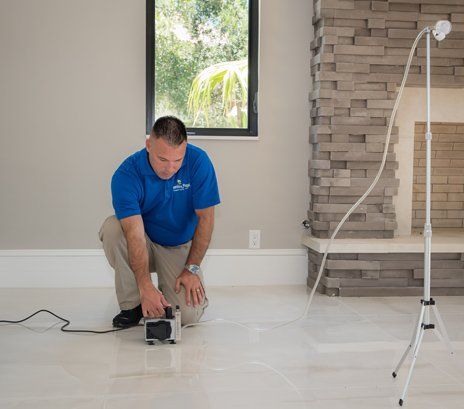
Buyers often ask about mold testing after an inspection. Testing is most useful when:
- Mold is suspected but not visible
- Odors exist without a clear source
- Attics or HVAC systems are involved
- Documentation is needed to move forward
Testing should support inspection findings—not replace them.
How Sellers Can Reduce Inspection Surprises
Sellers in Sykes Creek can reduce friction by:
- Inspecting attics before listing
- Addressing known leaks promptly
- Monitoring and controlling indoor humidity
- Servicing AC systems and clearing drain lines
- Investigating musty odors early
Handling moisture proactively often prevents mold from becoming an inspection issue at all.
Why Quick “Cosmetic Fixes” Often Backfire
Painting over stains, wiping visible growth, or masking odors may look good during a showing—but inspectors usually spot these quickly.
When they do, buyers often assume:
- The issue is bigger than it looks
- Moisture wasn’t fully addressed
- Future problems are likely
Transparency and proper correction protect credibility far better than cosmetic fixes.
Documentation That Helps Deals Move Forward
Helpful documentation during a Sykes Creek sale includes:
- Mold or moisture inspection summaries
- Remediation scopes and receipts
- Drying or moisture verification notes
- AC service records
Local professionals such as Mold Removal Merritt Island understand the types of findings common in Sykes Creek homes and how to document them clearly for buyers and inspectors.
What Mold Findings Don’t Automatically Mean
It’s important to keep perspective.
Mold findings do not automatically mean:
- The home is unsafe
- The deal is dead
- Major demolition is required
In many cases, findings reflect normal moisture challenges of coastal living—and are manageable with the right approach.
Timing Is Everything During a Transaction
When mold questions arise early, there’s time to evaluate, explain, and resolve them. When they arise late, pressure increases and leverage often shifts.
Early clarity usually leads to:
- Faster decisions
- Fewer delays
- More balanced negotiations
A Practical Takeaway for Sykes Creek Buyers and Sellers
Mold during home buying inspections in Sykes Creek is common—but it doesn’t have to be disruptive. Most issues stem from moisture patterns typical of Merritt Island’s coastal environment, not neglect.
When findings are addressed calmly, evaluated properly, and supported with documentation, transactions tend to stay on track. In this market, confidence comes from understanding moisture—not avoiding the conversation.
