
Mold Removal Cost Factors in Indian River: What Merritt Island Property Owners Should Know
If you own property near the Indian River, you already know moisture is part of everyday life. What many Merritt Island homeowners aren’t prepared for is how variable mold removal costs can be—and why two homes with “mold problems” can have very different price ranges. The difference usually isn’t the mold itself. It’s where it is, why it’s there, and how far moisture has traveled.
Understanding the main cost drivers helps you plan realistically and avoid surprises.
Why Indian River Homes See Wider Cost Ranges
Homes along the Indian River face a unique mix of factors that influence mold growth and remediation complexity:
- Constant coastal humidity that slows drying
- Wind-driven rain during storms
- High water tables beneath slab foundations
- Salt air degrading roofs, seals, and HVAC components
- Waterfront construction with enclosed cavities and limited airflow
Because moisture tends to linger, mold issues here are often hidden and interconnected, which affects scope and cost.
The Biggest Cost Driver: Size of the Affected Area
Square footage matters—but not in the way many people think.
Costs increase when:
- Mold affects multiple rooms
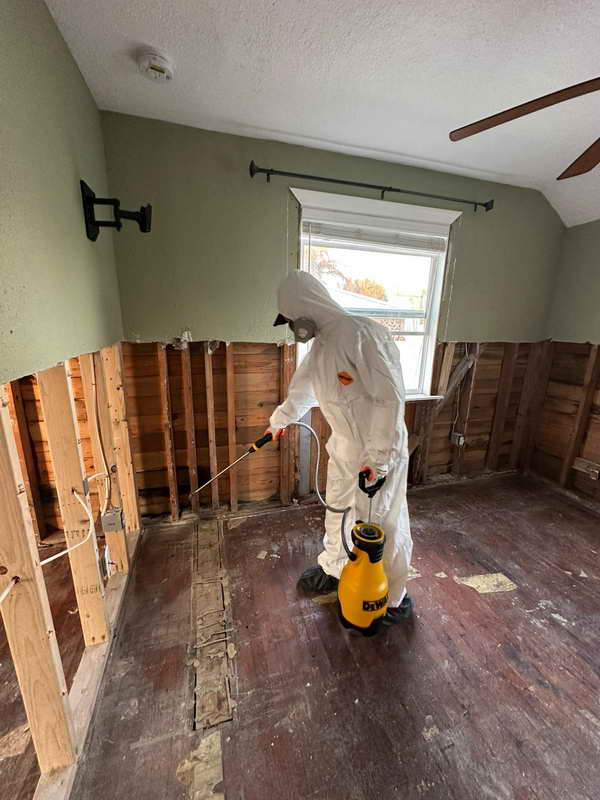
- Growth extends behind walls or ceilings
- Attics or crawl spaces are involved
- Mold has spread via HVAC airflow
A small visible patch can be inexpensive to address if it’s isolated. That same patch can indicate a much larger hidden area, which increases labor, materials, and time.
Location of Mold Makes a Major Difference
Where mold is found is often more important than how much you can see.
Higher-cost locations commonly include:
- Attics (containment, heat, insulation removal)
- HVAC systems (specialized cleaning and controls)
- Behind drywall (selective demolition and rebuild)
- Under flooring (removal, drying, and reinstallation)
Indian River homes often have mold in upper and lower zones at the same time—attics from humidity and slabs from ground moisture—expanding the scope.
Moisture Source Complexity
Mold removal isn’t complete until moisture is controlled. Costs rise when the moisture source is hard to pinpoint or correct.
Examples include:
- Roof leaks that only occur during heavy storms
- Slow plumbing leaks inside walls
- AC condensation issues in humid attics
- Ground moisture migrating through slabs
If the source requires coordination with roofing, plumbing, or HVAC work, overall costs increase—but skipping this step almost guarantees recurrence.
Type of Materials Affected
Different materials require different approaches.
Lower-cost scenarios:
- Non-porous surfaces (tile, metal, sealed concrete)
Higher-cost scenarios:
- Drywall and insulation
- Wood framing and subfloors
- Carpet padding and adhesives
- Built-in cabinetry
Porous materials often need removal rather than cleaning, which affects labor and disposal costs.
Containment and Safety Requirements
Proper containment prevents mold spores from spreading to unaffected areas. The more complex the containment, the higher the cost.
Containment needs increase when:
- Mold is near HVAC returns
- Multiple rooms are involved
- Attics connect to living spaces
- The home is occupied during work
In Indian River homes with open floor plans or shared air pathways, containment is especially important.
Level of Drying and Dehumidification Needed
Drying is a major cost factor that homeowners often underestimate.
Costs rise when:
- Materials stayed wet for several days
- High outdoor humidity slows evaporation
- Multiple dehumidifiers or air movers are required
- Drying must be staged over time
In coastal Merritt Island, drying often takes longer than expected, especially after storms.
Testing, Documentation, and Verification
Some projects require additional steps that add to cost:
- Pre- or post-remediation mold testing
- Moisture verification reports
- Documentation for insurance or real estate
- Independent clearance testing
While not always required, these steps are common in Indian River properties involved in sales or claims.
Accessibility and Home Layout
Costs increase when areas are hard to access.
Examples include:
- Tight attic spaces
- High ceilings
- Built-in cabinetry
- Finished garages or converted rooms
Older waterfront homes and custom builds near the Indian River often have layouts that complicate access.
Why “Cheap” Mold Removal Often Gets Expensive Later
Low-cost quotes usually focus on surface cleaning. That can reduce visible mold—but not moisture.
When cleanup skips:
- Moisture detection
- Proper containment
- Drying verification
…mold often returns. Repeated cleanups, repainting, and odor issues quickly exceed the cost of doing it right the first time.
How Professionals Estimate Costs Accurately
A reliable estimate starts with understanding the moisture picture, not just visible mold. Evaluations typically consider:
- Moisture readings in walls, ceilings, and floors
- Attic and HVAC conditions
- Extent of hidden growth
- Likely spread paths
Local specialists such as Mold Removal Merritt Island understand how Indian River humidity, slab construction, and coastal airflow influence scope and cost—leading to fewer surprises.
Practical Ways to Control Mold Removal Costs
Property owners can reduce costs by acting early:
- Address leaks immediately—even small ones
- Inspect attics and ceilings after storms
- Keep indoor humidity below 60 percent
- Don’t ignore musty odors
- Avoid surface-only DIY fixes when mold returns
Early intervention usually means smaller affected areas and simpler solutions.
A Clear Takeaway for Indian River Property Owners
Mold removal costs in Indian River homes aren’t random. They reflect how long moisture has been present, where it traveled, and what materials were affected. The sooner moisture is identified and controlled, the more manageable the cost.
Understanding these factors helps Merritt Island property owners make informed decisions—focused on long-term resolution, not repeated short-term fixes.
