
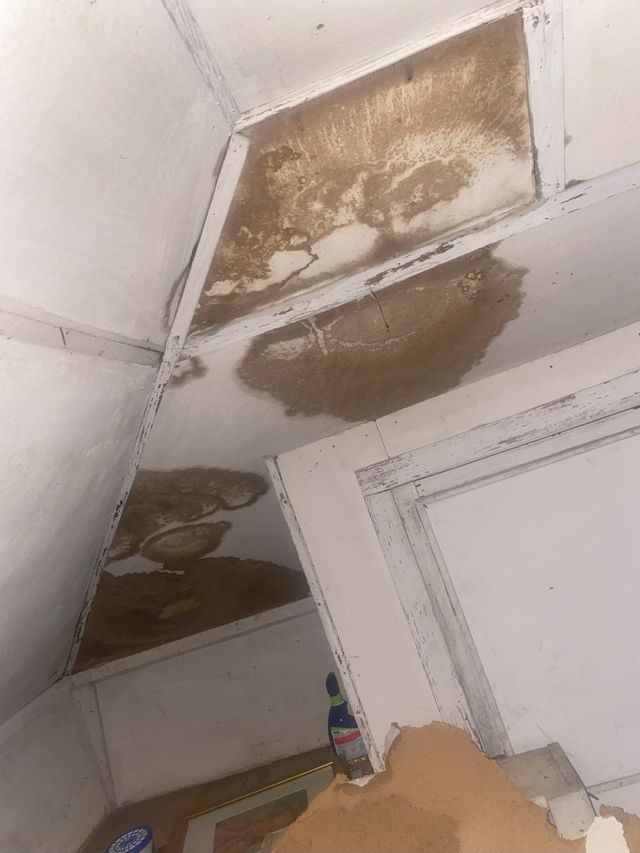
Is Mold Dangerous in North Merritt Island: What Merritt Island Property Owners Should Know
Mold is a common concern for homeowners in North Merritt Island, and for good reason. With high humidity, frequent storms, nearby waterways like Sykes Creek and the Indian River, and homes built close to the water table, mold shows up here more often than in many other parts of Florida. What many property owners struggle with is understanding whether mold is simply an annoyance—or something that truly needs attention.
The real answer is more nuanced than a simple yes or no.
Why Mold Is So Common in North Merritt Island
North Merritt Island sits in a moisture-heavy coastal environment. Warm air holds moisture year-round, and that moisture doesn’t always leave once it gets inside a home.
Common contributors include:
- Constant outdoor humidity
- Wind-driven rain during storms
- High water tables beneath slab foundations
- AC systems running most of the year
- Salt air degrading roofs, seals, and ductwork
Because drying takes longer here, even small moisture issues can support mold growth.
What Mold Actually Is
Mold is a type of fungus that exists naturally in the environment. Spores are always present outdoors—and often indoors at low levels. Mold becomes an issue when spores land on damp surfaces and begin growing.
In North Merritt Island homes, mold commonly feeds on:
- Drywall and paper backing
- Wood framing and trim
- Insulation
- Carpet padding
- Dust buildup in HVAC systems
Mold itself isn’t unusual in Florida. The concern depends on where it’s growing, how much is present, and why it’s there.
Is Mold Automatically Dangerous?
Not all mold situations are dangerous, but they should never be ignored.
Small, isolated areas caused by brief moisture exposure may be manageable. However, mold becomes more concerning when:
- Growth is widespread
- Mold keeps returning after cleaning
- Hidden areas are affected
- Musty odors persist
- Indoor air feels heavy or stale
In North Merritt Island, mold often grows out of sight first, which is why it’s easy to underestimate.
How Mold Can Affect a Home Environment
Mold doesn’t just stay where you see it. As it grows, it releases microscopic spores and gases that move through the air.
This can lead to:
- Musty or earthy odors
- Reduced indoor air quality
- Odors spreading through HVAC systems
- Mold appearing in multiple rooms over time
In attached homes or slab-built properties common to North Merritt Island, this spread can happen quietly.
Why Some Homes Feel Worse Than Others
Two homes on the same street can have very different mold experiences. The difference usually comes down to moisture control.
Homes are more likely to have ongoing issues when they have:
- Poor ventilation
- AC systems that don’t dehumidify effectively
- Past roof or plumbing leaks
- Moisture trapped behind walls or under flooring
Mold follows moisture, not cleanliness.
Mold vs. Moisture: What Really Matters
One of the biggest misunderstandings is focusing only on visible mold. Mold is almost always a symptom, not the main problem.
The real issue is usually:
- Elevated indoor humidity
- Condensation from AC systems
- Water intrusion after storms
- Ground moisture migrating through slabs
If moisture isn’t corrected, mold will continue to grow regardless of how often it’s cleaned.
When Mold Becomes a Bigger Concern
In North Merritt Island, mold deserves closer attention when:
- It affects multiple areas
- Odors don’t go away
- Growth is found in attics or HVAC systems
- Materials feel damp or soft
- Mold reappears repeatedly
These situations suggest ongoing moisture rather than a one-time issue.
Why Ignoring Mold Can Create Larger Problems
Mold rarely resolves on its own in this climate. Over time, ongoing moisture can:
- Damage drywall, wood, and insulation
- Spread mold into hidden spaces
- Make remediation more disruptive later
- Affect overall indoor comfort
Early attention usually means simpler solutions. Waiting often leads to more extensive repairs.
How Professionals Evaluate Mold Concerns
A proper evaluation looks at more than surface growth. It typically includes:
- Moisture readings inside walls and ceilings
- Attic and HVAC inspections
- Identification of active or past water intrusion
- Assessment of indoor humidity and airflow
Local specialists such as Mold Removal Merritt Island understand how North Merritt Island’s coastal conditions affect moisture behavior and mold development.
What Mold Doesn’t Automatically Mean
It’s important to avoid extremes.
Mold does not automatically mean:
- A home is unsafe
- A property is unlivable
- Major demolition is required
Many mold situations are manageable once moisture is identified and corrected.
Practical Steps for North Merritt Island Property Owners
If you’re concerned about mold, smart first steps include:
- Monitoring indoor humidity (aim below 60%)
- Paying attention to musty odors
- Inspecting attics, closets, and garages
- Addressing leaks promptly
- Avoiding surface-only cleanup when mold returns
These steps help prevent small issues from growing.
A Clear, Calm Takeaway
Mold in North Merritt Island isn’t rare, and it isn’t something to panic about—but it also shouldn’t be dismissed. Mold becomes a problem when moisture is allowed to persist and spread.
Understanding the difference between a minor issue and an ongoing moisture problem allows property owners to respond appropriately, protect their homes, and avoid repeated frustration.
