
Coastal Humidity Mold Issues in Banana River: What Merritt Island Property Owners Should Know
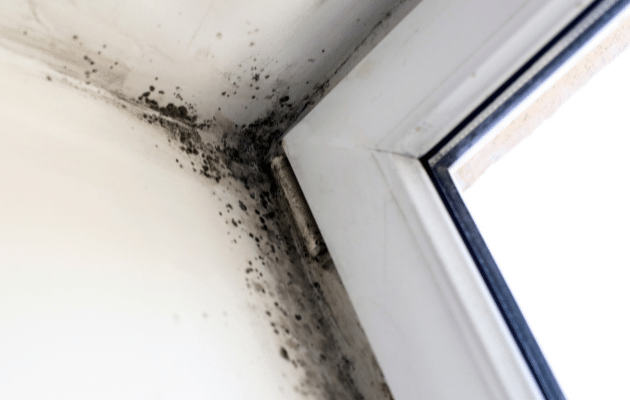
Living along the Banana River is one of the biggest draws of Merritt Island—open water, cooling breezes, and a relaxed coastal feel. But that same environment brings a constant challenge many property owners underestimate: coastal humidity. In Banana River homes, humidity isn’t seasonal or occasional. It’s persistent, and over time, it becomes one of the biggest drivers of indoor mold problems.
Unlike mold caused by a single leak or flood, humidity-related mold develops slowly and quietly. It thrives in enclosed spaces, builds up behind surfaces, and often spreads before homeowners realize there’s an issue. Understanding how coastal humidity affects homes near the Banana River is key to preventing long-term mold problems.
What Coastal Humidity Mold Really Is
Coastal humidity mold forms when moisture in the air consistently settles on building materials and never fully dries. Mold spores are always present indoors, but when humidity remains high for extended periods, those spores have everything they need to grow.
In Banana River homes, humidity-related mold commonly affects:
- Walls and ceilings
- Flooring and subfloors
- Cabinets and closets
- HVAC systems and ductwork
- Attics and roof decking
- Areas near windows and exterior doors
This type of mold growth often appears without obvious water damage, making it harder to detect early.
Why Banana River Homes Face Higher Humidity Mold Risk
Homes near the Banana River are exposed to environmental conditions that naturally elevate indoor moisture levels.
Constant moisture in the air
Proximity to the river keeps humidity levels high day and night, even during cooler months.
Warm temperatures and AC use
Air conditioning cools indoor air, which increases condensation when humid air meets cooler surfaces.
Limited natural drying
High outdoor humidity means materials don’t dry quickly once moisture is absorbed.
Salt air influence
Salt particles attract moisture, allowing surfaces to stay damp longer.
Storm-driven humidity spikes
After storms, humidity levels often rise sharply and stay elevated for days.
Common Signs Property Owners Notice
Humidity-related mold problems often start subtly. Common warning signs include:
- Musty or stale odors that never fully go away
- Condensation on windows, vents, or walls
- Warped wood, baseboards, or cabinets
- Bubbling or peeling paint
- Persistent indoor humidity despite AC use
- Allergy-like symptoms that worsen indoors
In Banana River homes, these signs often intensify during summer and storm seasons.
Hidden Mold Sources Caused by Coastal Humidity
Humidity-driven mold often grows where homeowners rarely look.
Inside wall cavities
Moist air seeps into walls and condenses on cooler surfaces.
Under flooring
Moisture can become trapped beneath flooring with little airflow.
Inside HVAC systems
Ductwork and air handlers collect condensation in high-humidity environments.
Attics
Warm, moist air rising into attics can condense on roof decking.
Closets and cabinets
Dark, enclosed spaces trap humid air and rarely dry out.
Why DIY Humidity Mold Fixes Usually Fail
Many homeowners try to manage humidity mold with quick fixes that don’t solve the root problem.
Surface cleaning only
Cleaning visible mold doesn’t address moisture inside walls or floors.
Dehumidifiers alone
They help but can’t overcome structural moisture issues or poor airflow.
Air fresheners and paints
These mask odors or stains without stopping mold growth.
Ignoring building factors
Ventilation, insulation, and moisture migration remain uncorrected.
In coastal environments like the Banana River, humidity must be managed at multiple levels to control mold.
Professional Mold Inspection and Testing Explained
A professional inspection focuses on how humidity behaves throughout the home.
Visual assessment
Inspectors look for condensation patterns, staining, and airflow issues.
Moisture detection tools
Meters and infrared imaging help identify damp areas behind surfaces.
Targeted sampling when appropriate
Air or surface samples may be used to confirm mold presence and scope.
Clear explanations
Findings are explained in plain language so property owners understand what’s happening.
This approach identifies humidity-driven problems that surface inspections often miss.
Proper Mold Removal and Remediation in High-Humidity Homes
Effective remediation in Banana River homes requires more than cleaning.
Containment
Affected areas are isolated to prevent spore spread.
Selective material removal
Only damaged materials are removed to limit disruption.
Thorough cleaning
Surfaces are cleaned using methods suited for humidity-prone environments.
Humidity correction
Ventilation, airflow, and moisture control strategies are addressed.
Prevention planning
Recommendations focus on long-term humidity management.
Mold Removal Merritt Island approaches humidity-related mold with solutions tailored to coastal Banana River conditions.
How to Reduce Humidity Mold Risk in Banana River Homes
Humidity can’t be eliminated, but it can be controlled.
- Monitor indoor humidity levels
- Use exhaust fans consistently
- Maintain HVAC systems and ductwork
- Seal air leaks around windows and doors
- Improve attic ventilation
- Avoid blocking airflow with furniture or storage
- Schedule inspections after storms
Small adjustments can significantly reduce mold risk in coastal homes.
Why Local Banana River Experience Matters
Humidity mold issues near the Banana River are different from inland problems. Local experience means understanding:
- Coastal humidity patterns
- Salt air moisture behavior
- Storm-driven humidity spikes
- Common Merritt Island construction styles
- HVAC performance in waterfront homes
This knowledge allows for faster diagnosis and more effective solutions.
A Practical Next Step for Property Owners
If your Banana River home feels damp, smells musty, or shows signs of moisture, it’s worth having it evaluated. Humidity-driven mold problems rarely go away on their own and often worsen over time.
A professional inspection can identify how humidity is affecting your home, explain the scope of the issue, and outline practical next steps—without pressure or alarm. Early attention helps protect indoor air quality, building materials, and the long-term condition of your Merritt Island property.
