Mold Under Flooring in Indian River: What Merritt Island Property Owners Should Know
Homes near the Indian River benefit from scenic water views and coastal breezes—but those same conditions also create one of the most common hidden mold problems on Merritt Island: mold under flooring. Because moisture can become trapped beneath finished floors, mold often grows out of sight for long periods before homeowners realize there’s an issue.
For property owners in Indian River neighborhoods, understanding why mold develops under flooring, what signs to watch for, and how it’s properly addressed can help prevent structural damage and costly repairs.
Why Mold Under Flooring Is Common Near the Indian River
Mold under flooring almost always starts with moisture. In Indian River homes, moisture pressure is higher due to constant humidity, nearby waterways, and storm-related water intrusion.
Common contributing factors include:
- High coastal humidity year-round
- Proximity to the Indian River, increasing ground and indoor moisture
- High water tables beneath slab foundations
- Storm-driven rain or minor flooding
- Plumbing leaks beneath kitchens, bathrooms, or laundry areas
- Condensation forming on cool slab surfaces
Once moisture becomes trapped beneath flooring materials, mold can begin growing on the slab surface, subfloor, or underside of the flooring itself.
How Moisture Gets Trapped Beneath Floors
Moisture under flooring doesn’t always come from obvious water events. In many Indian River homes, it develops slowly and quietly.
Common moisture pathways include:
- Slow plumbing leaks soaking into slabs
- Water intrusion during storms that wicks beneath flooring
- Poor drainage allowing groundwater moisture to rise
- Condensation forming between cool concrete and warm indoor air
- Flooring installed over slabs without adequate moisture barriers
Because flooring materials restrict airflow, trapped moisture often remains long enough for mold to grow.
Flooring Types Most Affected by Hidden Mold
Certain flooring materials are more prone to hidden mold issues, especially in coastal environments:
- Laminate flooring, which traps moisture underneath
- Vinyl plank or sheet flooring installed over slabs
- Carpet, especially with padding
- Engineered wood, which absorbs moisture easily
Once moisture penetrates beneath these materials, mold can spread across large areas before symptoms appear.
Early Signs of Mold Under Flooring
Because mold under flooring is hidden, signs are often subtle at first. Property owners commonly notice:
- Musty odors near floors
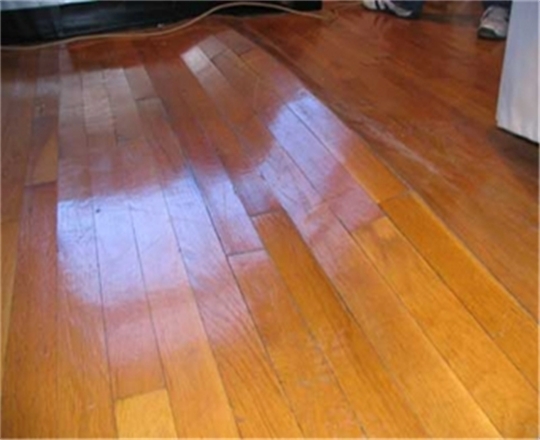
- Warping, buckling, or lifting flooring
- Soft or spongy spots underfoot
- Discoloration along baseboards
- Flooring that separates or shifts unexpectedly
These signs often indicate moisture problems beneath the surface.
Hidden Mold and Long-Term Damage
When mold grows under flooring, it doesn’t just affect the floor covering. Over time, it can impact:
- Concrete slabs
- Subfloor materials
- Baseboards and drywall
- Adjacent wall cavities
- Indoor air quality
In Indian River homes, high humidity can allow mold to remain active longer, increasing the risk of widespread contamination.
Why DIY Repairs Often Miss the Problem
Many homeowners attempt surface repairs—replacing a damaged plank or drying visible moisture. Unfortunately, this rarely addresses mold growing beneath the flooring.
Surface drying doesn’t remove moisture trapped in slabs or subfloors, and cleaning visible areas won’t stop mold hidden underneath. Without identifying and correcting the moisture source, mold usually returns.
How Mold Under Flooring Is Properly Evaluated
A professional evaluation focuses on moisture detection, not just visible damage. In Indian River properties, this typically includes:
- Moisture meter readings through flooring and slabs
- Thermal imaging to locate hidden dampness
- Inspection of plumbing and nearby fixtures
- Evaluation of drainage and slab conditions
This process helps determine how widespread the issue is and whether mold is localized or extensive.
Mold Removal and Remediation Under Flooring
When mold is confirmed beneath flooring, remediation often requires removing affected flooring materials to fully access the problem area. Containment prevents mold spores from spreading during removal.
Affected surfaces are cleaned or treated, and moisture sources are corrected before new flooring is installed. A local company like Mold Removal Merritt Island understands how Indian River homes respond to moisture and slab conditions, helping ensure remediation efforts are effective and lasting.
Preventing Mold Under Flooring in Indian River Homes
Prevention focuses on controlling moisture at its source. Property owners can reduce risk by:
- Addressing plumbing leaks immediately
- Monitoring indoor humidity levels
- Inspecting floors after storms or water events
- Ensuring proper moisture barriers during flooring installation
- Maintaining drainage around the home
Routine moisture checks are especially important in waterfront properties.
Why Local Experience Matters
Floor-level mold behaves differently in coastal environments than inland areas. Indian River homes face unique challenges related to groundwater pressure, slab construction, and humidity.
Local experience helps identify common moisture pathways and select the right remediation and prevention strategies for Merritt Island conditions.
A Practical, Calm Next Step
If you’re noticing odors, floor damage, or moisture issues in an Indian River property, a professional inspection can provide clarity. It’s not about fear—it’s about understanding what’s happening beneath your floors and correcting it properly.
Early evaluation helps protect your flooring, structural components, and indoor comfort while preventing hidden mold from becoming a much larger issue.