
Mold in Condos in Indian River: What Merritt Island Property Owners Should Know
Condominium living along the Indian River offers many advantages — beautiful water views, convenient amenities, and low exterior maintenance responsibilities. However, condo owners and property managers in Merritt Island also face a common coastal challenge that often develops quietly: mold growth.
Unlike single-family homes where owners control all maintenance areas, condominiums involve shared structures, shared ventilation spaces, and neighboring units. When moisture problems occur, mold can spread between units or remain hidden for long periods before detection.
Because Indian River communities experience constant humidity, frequent storms, and heavy air conditioning use, condos are especially vulnerable to hidden moisture issues. Understanding how mold develops in condominium buildings helps owners protect their property while maintaining healthy indoor conditions.
Understanding Mold Problems in Condominium Units
Mold needs three basic elements to grow: moisture, organic material, and limited airflow. Condo environments often provide all three without residents realizing it.
Moisture inside condo units can come from:
• Plumbing leaks in kitchens or bathrooms
• AC condensation problems
• Humid outdoor air entering the unit
• Roof or exterior wall leaks
• Moisture traveling from neighboring units
Because condo units share walls, ceilings, and sometimes ventilation systems, moisture in one unit can impact another.
Mold typically grows on surfaces such as:
• Drywall and ceilings
• Cabinetry and wood trim
• Flooring materials
• Insulation behind walls
• Furniture placed against exterior walls
Once mold begins forming, it often spreads behind walls or beneath flooring where residents cannot see it.
Why Condos Along Indian River Face Frequent Mold Issues
Several local environmental factors increase mold risk in Merritt Island condominium communities.
Buildings near the Indian River experience:
• High coastal humidity throughout the year
• Frequent heavy rainstorms
• Hurricanes and tropical systems
• Wind-driven rain entering building exteriors
• Continuous air conditioning operation
• Elevated groundwater and moisture levels
Condos often remain vacant for periods when owners travel or use units seasonally. During vacancy, humidity may build up indoors if air conditioning or ventilation is not properly maintained.
Another common issue occurs when neighboring units experience plumbing or AC leaks. Moisture can travel through shared walls and ceilings before becoming visible.
Older condo buildings in Merritt Island may also have aging roofing, outdated ventilation systems, or worn exterior seals that allow moisture intrusion over time.
Signs Condo Owners Commonly Notice
Mold problems in condos often appear gradually. Many residents initially assume humidity or ventilation issues are normal coastal conditions.
Common warning signs include:
• Persistent musty smells indoors
• Mold spots appearing near vents or ceilings
• Paint bubbling or peeling
• Damp or humid indoor air
• Warped cabinetry or flooring
• Recurring mold growth in closets or corners
• Increased allergy-like symptoms indoors
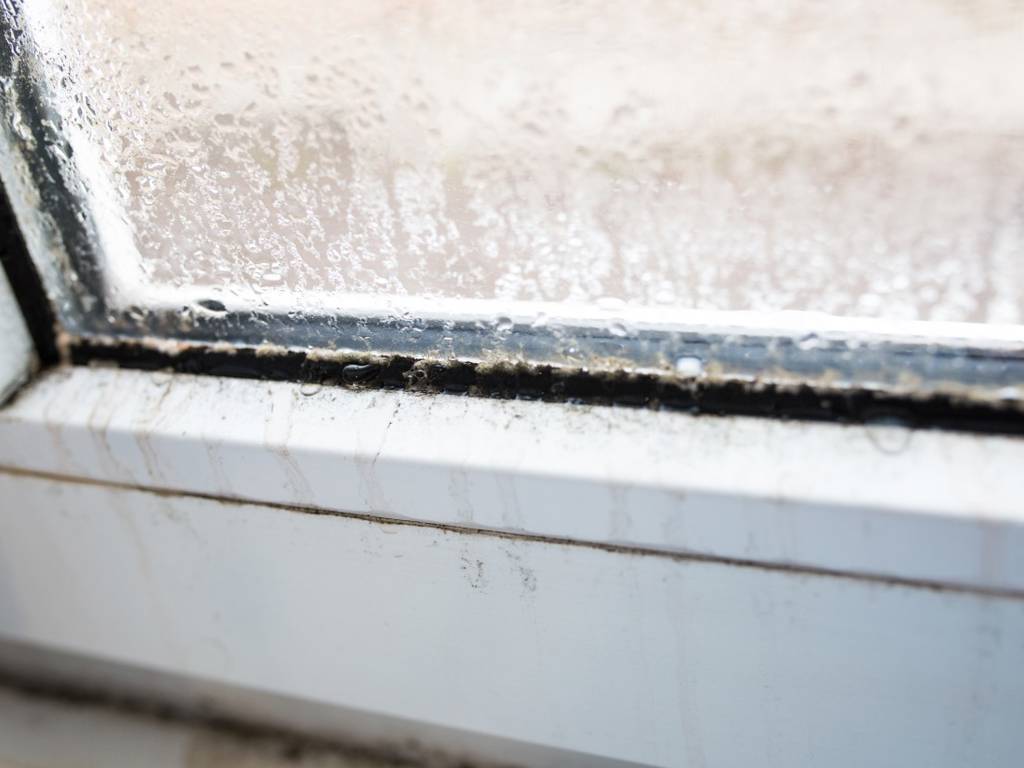
Some condo owners notice condensation forming on windows or exterior-facing walls, which can signal humidity buildup contributing to mold growth.
Because mold often grows behind surfaces, visible damage may appear only after contamination spreads.
Hidden Mold Sources in Condominium Buildings
Many mold issues in condos begin in areas residents rarely inspect.
Common hidden sources include:
• Plumbing leaks from units above
• Roof or exterior wall moisture intrusion
• HVAC ducts shared between units
• Wall cavities with poor ventilation
• Moisture trapped under flooring
• Attics or mechanical spaces above units
In waterfront condo communities near Indian River, salt air exposure can slowly degrade building materials, allowing moisture intrusion through small gaps over time.
Storm events may also introduce moisture into shared building spaces that go unnoticed until mold spreads inside units.
Because many residents assume maintenance responsibilities fall entirely on associations, minor moisture issues sometimes remain unresolved longer than they should.
Why DIY Mold Cleanup Usually Doesn’t Fix the Problem
When mold appears inside a condo, many owners try to clean visible areas themselves. While this may temporarily improve appearance, it often fails to correct the moisture conditions causing mold growth.
Common DIY mistakes include:
• Cleaning visible mold without addressing moisture sources
• Painting over stains without fixing leaks
• Using bleach on porous surfaces
• Ignoring humidity or ventilation issues
• Failing to inspect hidden areas
If moisture remains behind walls or ceilings, mold usually returns.
Professional remediation focuses on eliminating contamination while solving moisture issues to prevent recurrence.
Professional Mold Inspection and Testing in Condos
Professional mold inspections in condominiums aim to determine both the extent of contamination and where moisture originates.
Inspection steps often include:
• Evaluating visible mold or water damage
• Measuring indoor humidity levels
• Using moisture meters to locate hidden damp areas
• Inspecting HVAC systems and vents
• Checking plumbing and shared building areas when accessible
If hidden mold is suspected, limited wall or ceiling openings may be created to confirm contamination.
Air or surface samples may also be collected to measure mold spore levels. Lab analysis compares indoor mold concentrations with outdoor conditions to determine whether contamination is excessive.
This process helps owners and associations understand whether mold is isolated or connected to broader building issues.
Proper Mold Removal and Remediation in Condo Units
Mold remediation inside condominiums requires careful containment to prevent spores from spreading to neighboring units.
A professional remediation process usually includes:
• Isolating affected areas
• Safely removing contaminated materials
• Cleaning structural surfaces
• Thoroughly drying affected spaces
• Repairing plumbing or moisture sources
• Restoring damaged areas with moisture-resistant materials
After remediation, technicians verify moisture levels have returned to safe conditions before reconstruction finishes.
Professionals familiar with Merritt Island condos often identify patterns related to coastal humidity and shared building systems more quickly.
Mold Removal Merritt Island teams frequently address condo mold issues linked to ventilation problems and moisture intrusion common in Indian River communities.
Preventing Mold Problems in Condominium Units
Preventing mold in condos requires cooperation between individual owners and building management.
Helpful prevention steps include:
• Running air conditioning regularly to control humidity
• Using dehumidifiers during humid seasons
• Reporting plumbing leaks immediately
• Inspecting units after storms
• Running exhaust fans in kitchens and bathrooms
• Keeping furniture slightly away from exterior walls
• Scheduling regular HVAC maintenance
Owners who travel or use units seasonally should ensure humidity control remains active while away.
Regular building inspections also help associations detect moisture issues before mold spreads.
Why Local Experience Matters for Condo Mold Problems
Mold challenges in Merritt Island condominiums differ from inland properties due to constant coastal moisture exposure.
Professionals familiar with Indian River communities understand:
• How humidity behaves in waterfront buildings
• Which building designs trap moisture locally
• How storms affect shared structures
• Where hidden mold commonly develops
Local experience leads to quicker diagnosis and more effective long-term prevention strategies.
Professionals serving Merritt Island communities tailor solutions based on environmental conditions unique to coastal condo living.
Mold Removal Merritt Island specialists frequently encounter moisture patterns specific to waterfront condo buildings and address them accordingly.
A Practical Next Step for Condo Owners
If musty odors, visible mold, or unexplained humidity issues develop inside a condo unit, having the space inspected early can prevent larger repairs later.
Most mold issues begin as manageable moisture problems that worsen when left unaddressed.
In Indian River condominium communities, humidity awareness becomes part of responsible property ownership.
A professional evaluation provides clarity and helps owners protect both their investment and indoor comfort.
