
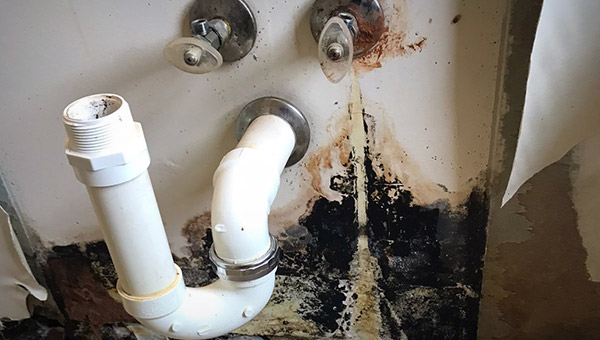
Mold Under Sinks in Indian River: What Merritt Island Property Owners Should Know
Homes along the Indian River enjoy some of the most scenic waterfront living in Brevard County, but the same coastal conditions that make the area attractive also create ongoing moisture challenges for property owners. High humidity, frequent rainstorms, and year-round air conditioning use all contribute to hidden moisture problems inside homes.
One of the most common — yet frequently overlooked — mold trouble spots in Merritt Island properties is the space under sinks. Kitchen and bathroom cabinets hide plumbing lines that can slowly leak or collect condensation, creating ideal conditions for mold growth.
Because these areas are rarely inspected until a problem becomes obvious, mold under sinks often goes unnoticed until odors or cabinet damage appear. Understanding why this happens and how to prevent it helps homeowners, landlords, and property managers avoid larger repairs later.
Understanding Mold Growth Under Sinks
The cabinet area under sinks is naturally vulnerable to moisture. Plumbing supply lines, drain pipes, garbage disposals, and filtration systems all operate in a confined, enclosed space.
Even small plumbing issues can lead to persistent dampness. Slow leaks, loose fittings, or condensation forming on cold water pipes allow moisture to collect inside cabinets. Over time, damp wood, drywall, or cabinet materials provide the perfect surface for mold spores to grow.
Once mold begins forming, the enclosed space traps humidity, allowing colonies to expand unnoticed. Many homeowners don’t open sink cabinets often, which means problems can continue for months before discovery.
In Indian River neighborhoods where humidity stays elevated year-round, moisture inside cabinets evaporates slowly, making mold development even more likely.
Why This Happens Frequently in Merritt Island Homes
Several local conditions make mold under sinks especially common around Indian River and surrounding Merritt Island communities.
Key contributing factors include:
• High coastal humidity year-round
• Heavy rainstorms and hurricane seasons
• Older plumbing systems in established homes
• Salt air corrosion affecting plumbing connections
• Elevated groundwater levels
• Homes built close to waterways
Moisture problems often start with very small plumbing drips. Homeowners may not notice until cabinet floors begin to swell or discolor.
Air conditioning systems can also contribute. When indoor humidity remains high, condensation can form on cold water supply pipes beneath sinks, slowly wetting surrounding materials.
Storm events and flooding can further worsen the situation if moisture seeps into cabinetry or walls unnoticed.
Signs Property Owners Commonly Notice
Mold under sinks usually produces warning signs before major damage occurs, but these signs are easy to miss.
Common indicators include:
• Musty odor when cabinet doors open
• Warped or soft cabinet flooring
• Peeling cabinet finishes
• Visible black, green, or white mold spots
• Persistent dampness or moisture
• Water stains or discoloration
• Cleaning supplies or stored items becoming moldy
Some homeowners first notice pests attracted to damp cabinets, which often signals hidden moisture problems.
Because cabinets remain closed most of the time, mold growth frequently advances further than expected before discovery.
Hidden Moisture Sources Beneath Sinks
Many mold issues under sinks are not caused by obvious leaks. Instead, hidden or overlooked factors slowly create moisture buildup.
Common hidden causes include:
• Slow drip leaks from drain fittings
• Loose plumbing supply connections
• Garbage disposal seal failures
• Condensation on cold pipes
• Dishwasher drain line leaks
• Improperly sealed sink edges allowing water intrusion
• Past plumbing repairs that were not fully corrected
In waterfront homes along Indian River, salt air can accelerate corrosion in older plumbing components, increasing leak risks over time.
Additionally, many Merritt Island homes built decades ago may have cabinets and plumbing not designed for Florida’s long-term humidity exposure.
Why DIY Cleanup Usually Doesn’t Solve the Problem
When homeowners discover mold under a sink, the first instinct is often to clean it with household products. While cleaning may temporarily remove visible mold, it rarely addresses the underlying moisture source.
Common DIY mistakes include:
• Cleaning mold without fixing plumbing leaks
• Using bleach on porous cabinet materials
• Ignoring hidden mold behind cabinet walls
• Failing to dry moisture completely
• Reinstalling damaged materials without repair
If moisture remains present, mold simply returns.
Professional remediation focuses on correcting both contamination and moisture conditions to prevent recurring problems.
Professional Mold Inspection and Testing Process
A professional mold inspection helps determine how far contamination has spread and what caused the moisture buildup.
Inspectors often evaluate:
• Plumbing connections and drain systems
• Cabinet material damage
• Wall and flooring moisture levels
• Adjacent room humidity conditions
• Signs of past water intrusion
Moisture meters help detect hidden dampness behind cabinets or inside walls.
In some situations, surface or air samples are taken to determine mold spore levels and confirm contamination sources. Lab results help clarify whether mold is localized or affecting broader indoor air quality.
This inspection process allows homeowners to understand the scope of repairs needed before remediation begins.
Proper Mold Removal and Remediation Steps
Safe and effective mold remediation under sinks typically involves several steps.
A proper remediation process often includes:
• Removing contaminated cabinet materials when necessary
• Cleaning and disinfecting affected areas safely
• Repairing plumbing leaks or pipe condensation issues
• Drying surrounding wall and floor materials
• Installing moisture-resistant replacement materials when needed
• Ensuring cabinet spaces remain dry and ventilated
After remediation, technicians verify that moisture levels have returned to safe conditions.
Professionals familiar with Merritt Island construction styles often identify recurring moisture issues quickly, helping prevent future mold problems.
Mold Removal Merritt Island teams regularly address under-sink mold issues caused by slow plumbing leaks common in coastal homes.
Preventing Mold Under Sinks in Coastal Homes
Preventative maintenance significantly reduces the likelihood of mold developing beneath sinks.
Recommended prevention tips include:
• Checking under sinks monthly for leaks or dampness
• Tightening plumbing fittings when needed
• Repairing leaks immediately
• Keeping cabinet spaces clean and dry
• Using moisture absorbers or small ventilation gaps
• Monitoring indoor humidity levels
• Inspecting cabinets after major storms or plumbing repairs
Homes located near Indian River often benefit from periodic moisture checks due to elevated coastal humidity levels.
Regular home maintenance inspections also help detect plumbing problems before mold forms.
Why Local Experience Matters in Mold Prevention
Mold problems in Merritt Island homes differ from inland properties because coastal humidity plays a constant role.
Professionals experienced in Indian River communities understand:
• How coastal air impacts plumbing longevity
• Where moisture typically accumulates in island homes
• Which building materials commonly fail over time
• How storm exposure affects hidden interior spaces
Local knowledge leads to faster detection and more effective prevention strategies.
Mold Removal Merritt Island specialists frequently see recurring moisture patterns unique to waterfront neighborhoods and tailor solutions accordingly.
A Practical Next Step for Property Owners
If you notice odors, moisture, or cabinet damage under sinks, having the area inspected can prevent larger structural repairs later.
Most under-sink mold problems start small but grow when hidden moisture remains unaddressed. Early inspections often save homeowners significant repair costs.
In coastal communities like Merritt Island, managing moisture simply becomes part of responsible home ownership.
Professional evaluation offers clarity and helps property owners make informed decisions about maintaining safe, healthy indoor environments.
