
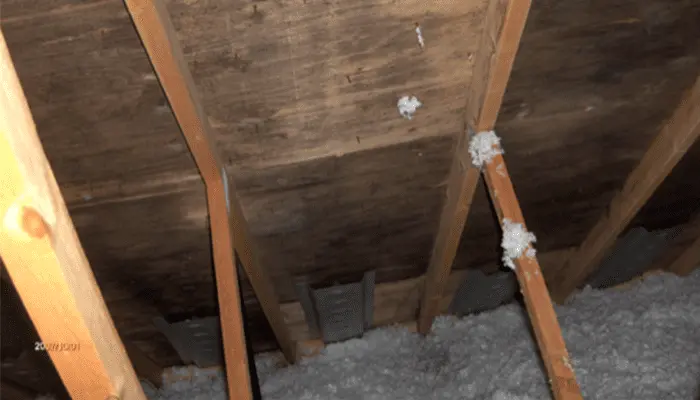
Mold in Attics in North Merritt Island: What Merritt Island Property Owners Should Know
Many property owners in North Merritt Island rarely think about their attic space. It’s out of sight, rarely visited, and often assumed to be dry and harmless. Yet, attics are one of the most common places mold develops in Brevard County homes.
In neighborhoods throughout North Merritt Island, especially homes close to Sykes Creek, Banana River, and the Indian River, attic mold problems are frequently discovered only after roof inspections or home sales. By then, mold may have already spread across roof decking or insulation.
Florida’s coastal environment creates unique moisture challenges, and attic spaces often become unintended collection points for trapped humidity. Understanding why attic mold develops and how to prevent it can help property owners protect their homes from expensive structural damage and indoor air quality concerns.
Understanding Mold Growth in Attics
Mold thrives wherever moisture and organic materials exist together. Attics typically contain:
• Wooden roof decking
• Rafters and framing lumber
• Insulation materials
• Stored items
• Dust and organic debris
When moisture enters this space and remains trapped, mold spores naturally present in the air begin to grow.
Unlike bathroom or kitchen mold, attic mold often spreads quietly without visible warning signs inside the living space. Many homeowners don’t realize anything is wrong until inspections reveal widespread growth above the ceiling.
Why Attic Mold Happens So Often in North Merritt Island
Attics in Merritt Island homes face several local environmental factors that make mold growth common.
Coastal Humidity Year-Round
North Merritt Island sits between waterways, which means humidity levels remain high throughout most of the year. Even when homes are air conditioned, warm, humid air can enter attic spaces through vents or small roof openings.
If ventilation isn’t working properly, moisture accumulates quickly.
Improper Ventilation
Many older homes were built with attic ventilation systems that don’t perform well under Florida’s climate. Blocked soffit vents or poorly installed roof vents prevent moist air from escaping.
Trapped humidity becomes the perfect environment for mold growth.
Storm and Hurricane Impacts
Storms frequently affect Brevard County homes. Even small roof damage can allow moisture intrusion that goes unnoticed for months.
Minor leaks may only affect attic spaces, allowing mold to spread silently.
Air Conditioning System Effects
In Florida homes, air conditioning systems run constantly. Improperly sealed ductwork in attics can sweat due to temperature differences, producing condensation.
Over time, this moisture feeds mold growth around ducts and insulation.
Bathroom and Kitchen Venting Issues
Many homes vent bathroom or kitchen exhaust fans directly into attic spaces rather than outside. Warm, moist air pumped into the attic greatly increases mold risk.
Signs Property Owners May Notice
Because attic mold is hidden, early signs often appear indirectly.
Common warning signs include:
• Musty smells inside the home
• Ceiling discoloration or stains
• Increased allergy irritation indoors
• Higher indoor humidity levels
• Peeling ceiling paint
• Recent roof leaks or storm damage
However, many attic mold problems show no indoor symptoms at all until inspections occur.
Hidden Mold Sources in Attic Spaces
Attic mold often develops in specific areas where moisture collects.
Roof Decking and Sheathing
Condensation frequently forms on roof decking surfaces, especially in cooler months when temperature differences occur between attic and outdoor air.
Around Roof Vents and Penetrations
Improperly sealed vents, chimneys, or skylights allow water intrusion during storms.
Insulation Areas
Wet insulation traps moisture, allowing mold growth underneath and reducing insulation performance.
HVAC Ductwork
Leaking or poorly insulated ducts can produce condensation and spread moisture throughout the attic.
Around Exhaust Fan Vents
Bathroom or kitchen fans venting into the attic instead of outdoors introduce constant humidity.
These hidden conditions allow mold to spread without homeowners realizing the issue.
Why DIY Mold Removal Rarely Works in Attics
Many property owners attempt to clean attic mold themselves, but this often creates new problems.
Common DIY mistakes include:
• Scrubbing mold without containment
• Spreading spores through the home
• Ignoring ventilation issues
• Leaving contaminated insulation in place
• Failing to correct moisture sources
Bleach or household cleaners are also ineffective on porous materials like wood and insulation, allowing mold roots to remain.
Without addressing moisture and ventilation issues, mold typically returns.
How Professional Mold Inspection and Testing Works
A professional attic inspection evaluates both mold growth and moisture causes.
Typical inspections include:
Visual Evaluation
Inspectors examine roof decking, insulation, vents, and ductwork for signs of moisture or mold.
Moisture Detection Tools
Meters help locate areas where materials remain damp.
Thermal Imaging
Infrared cameras reveal hidden moisture pockets.
Air or Surface Sampling
When necessary, sampling confirms contamination levels or identifies hidden mold growth.
Results are explained clearly so homeowners understand the problem without unnecessary alarm.
Proper Attic Mold Remediation Process
Effective remediation involves both removal and prevention.
A professional process typically includes:
Containment Measures
Work areas are sealed to prevent spores from entering living spaces.
Removal or Cleaning of Affected Materials
Contaminated insulation or materials may be removed, while structural wood may be treated safely.
Ventilation Corrections
Improper venting systems are corrected to improve airflow.
Moisture Source Repairs
Leaks or condensation issues are addressed.
Prevention Recommendations
Homeowners receive guidance on maintaining proper attic conditions.
Remediation aims to stop mold from returning, not just clean visible surfaces.
How to Prevent Attic Mold in Merritt Island Homes
Preventing attic mold focuses on moisture control and ventilation improvements.
Recommended prevention steps include:
• Ensure attic vents are clear and functioning
• Repair roof leaks immediately
• Vent bathroom and kitchen fans outdoors
• Maintain HVAC duct insulation
• Schedule post-storm roof inspections
• Monitor attic spaces periodically
• Maintain consistent indoor climate control
Routine inspections help catch problems early before major repairs are needed.
Why Local Experience Matters in Attic Mold Cases
Homes in Merritt Island face challenges different from inland communities.
Local professionals understand:
• Coastal humidity patterns
• Storm damage risks
• Typical ventilation problems in local construction
• Waterfront moisture influences
Companies such as Mold Removal Merritt Island regularly inspect homes in North Merritt Island and understand how local conditions affect attic environments.
Local knowledge leads to quicker, more accurate solutions.
When Property Owners Should Schedule an Inspection
An attic inspection is recommended if:
• The home recently experienced roof damage
• Musty odors persist indoors
• Ceilings show staining
• A home inspection revealed mold concerns
• Insulation appears damp or damaged
Addressing attic mold early usually prevents structural repairs and improves indoor comfort.
For property owners uncertain about attic conditions, a calm professional evaluation provides clarity and helps maintain a safe, healthy home environment.
Attic mold problems are common in North Merritt Island homes, but with proper ventilation, moisture control, and routine inspections, they can be managed effectively. Paying attention to hidden spaces above the ceiling helps protect homes across Brevard County’s coastal climate.
