
Mold After Flooding in Banana River: What Merritt Island Property Owners Should Know
Homes along the Banana River enjoy some of Merritt Island’s most desirable waterfront living. Boating access, scenic views, and quiet residential communities make the area attractive to families and seasonal residents alike. But waterfront living also brings an increased risk of flooding during heavy rain events, tropical storms, and hurricanes.
While visible flood damage often receives immediate attention, one of the biggest risks after flooding is mold growth. Many homeowners focus on removing water and repairing damaged areas, but mold can begin growing very quickly after a flooding event — often before repairs even begin.
Understanding how mold develops after flooding helps Banana River homeowners protect their homes and prevent long-term damage.
Why Flooding Quickly Leads to Mold in Banana River Homes
Florida’s climate creates ideal conditions for mold growth, especially after flooding. When water enters a home, building materials absorb moisture rapidly, and mold spores already present in the environment begin growing.
Local conditions that accelerate mold growth include:
• High year-round coastal humidity
• Warm temperatures that support rapid mold growth
• Heavy rainfall and storm events
• Waterfront air bringing moisture inland
• High groundwater levels in some neighborhoods
• Slow drying conditions after storms
Homes along the Banana River may also experience higher moisture exposure because of proximity to water and lower elevation areas prone to flooding.
Once water enters a home, materials such as drywall, wood, carpet, and insulation begin absorbing moisture almost immediately. If not dried quickly, mold growth may begin within one or two days.
Common Flooding Causes in Banana River Neighborhoods
Flooding in Merritt Island homes does not always come from storm surge alone. Water intrusion can happen in several ways.
Common flood-related causes include:
• Hurricane or tropical storm flooding
• Heavy rainfall overwhelming drainage systems
• Stormwater entering through doors or garages
• Rising water levels near waterfront properties
• Roof damage allowing rain intrusion
• Plumbing failures during storms
• AC drain backups or pump failures
• Groundwater intrusion in low areas
Even shallow flooding can soak flooring and walls enough to allow mold to develop.
Because water spreads quickly, contamination often extends beyond visibly wet areas.
How Fast Mold Grows After Flooding
Many homeowners underestimate how quickly mold can begin forming after flooding.
In Florida conditions, mold can begin growing:
• Within 24–48 hours after materials become wet
• Inside walls within a few days
• Under flooring within a week
• Inside insulation or ceilings before visible signs appear
By the time musty odors or stains appear, mold may already be spreading inside walls or flooring systems.
Quick drying is critical after any flood event.
Signs Mold May Be Developing After Flooding
After flooding, homeowners should watch for warning signs that mold may already be forming.
Common signs include:
• Persistent musty odors after cleanup
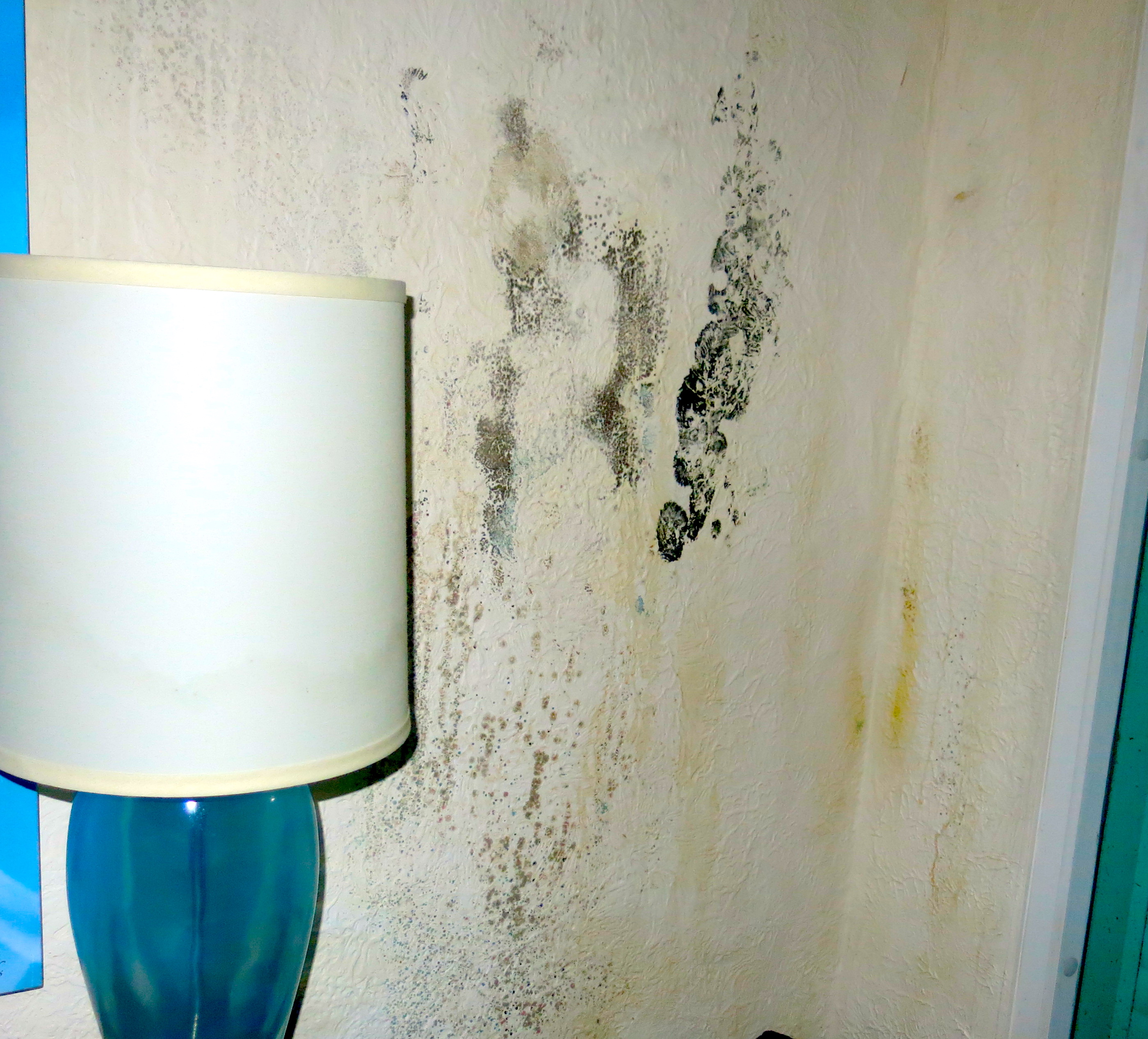
• Dark or spotted staining on walls or ceilings
• Peeling paint or bubbling drywall
• Soft or warped flooring
• Increased indoor humidity
• Mold returning after cleaning
Often, odor appears before visible mold becomes noticeable.
Hidden contamination may already exist behind surfaces.
Where Mold Commonly Develops After Flooding
Water spreads easily through building materials, so mold often forms in hidden areas.
Common hidden problem areas include:
• Behind drywall affected by floodwater
• Under flooring and carpet padding
• Inside wall insulation
• Above ceilings affected by roof leaks
• Inside HVAC systems after moisture exposure
• Crawl spaces absorbing flood moisture
• Cabinets and built-ins exposed to water
Because these spaces are rarely inspected, mold may spread before homeowners realize contamination exists.
Homes near the Banana River sometimes experience slower drying conditions, increasing mold risks.
Why Removing Standing Water Isn’t Enough
After flooding, many homeowners remove standing water and assume the home is safe once surfaces look dry.
However, moisture often remains trapped inside materials.
Water may soak into:
• Drywall and framing
• Insulation
• Carpet padding
• Wood flooring
• Baseboards and cabinets
Even when surfaces appear dry, moisture may remain behind walls or beneath flooring.
Without proper drying, mold growth often follows weeks later.
Professional moisture detection helps locate hidden damp areas.
Why Mold Often Returns After Flood Cleanup
Some homeowners clean mold after flooding only to see it return later.
This happens because:
• Materials were not dried completely
• Moisture sources remain unresolved
• Mold roots remain inside materials
• Hidden contamination remains untreated
• Indoor humidity remains high
Cleaning visible mold rarely removes contamination inside building materials.
Long-term prevention requires moisture correction.
Why DIY Flood Cleanup Often Misses Hidden Mold
Homeowners often try drying affected areas with fans or household dehumidifiers. While helpful, these tools often cannot remove moisture trapped inside materials.
DIY cleanup often fails because:
• Hidden damp materials remain untreated
• Mold spores spread during cleaning
• Bleach cannot penetrate porous materials
• Moisture inside walls remains undetected
Professional drying equipment removes moisture more effectively.
Containment prevents contamination from spreading during cleanup.
How Professional Mold Inspection Helps After Flooding
Professional inspections help determine whether mold contamination has already begun and where moisture remains.
A typical inspection includes:
Visual Inspection
Inspectors check areas affected by flooding and look for visible mold or moisture damage.
Moisture Detection
Moisture meters and thermal imaging tools locate hidden damp areas behind walls and floors.
Ventilation Evaluation
Inspectors assess airflow and humidity conditions that slow drying.
Air or Surface Testing When Needed
Testing may confirm contamination when mold is suspected but not visible.
Inspection findings guide remediation decisions.
How Professional Mold Remediation Addresses Flood Damage
If mold contamination is discovered, professional remediation safely removes mold while correcting moisture problems.
Remediation typically includes:
• Containment of affected areas
• HEPA air filtration to capture spores
• Removal of mold-damaged materials
• Cleaning surrounding surfaces
• Repairing moisture sources
• Thorough drying and prevention measures
Professionals familiar with Merritt Island homes understand how coastal humidity affects drying after floods.
Local specialists such as Mold Removal Merritt Island tailor remediation plans based on island environmental conditions.
The goal is preventing mold from returning.
Preventing Mold After Flooding
After cleanup or remediation, prevention becomes the next priority.
Helpful prevention steps include:
• Drying flooded areas immediately
• Servicing HVAC systems regularly
• Cleaning AC drain lines routinely
• Repairing leaks quickly
• Improving attic and crawl space ventilation
• Inspecting homes after storms
• Using dehumidifiers in damp areas
Routine inspections help catch moisture problems early.
Homes near waterways benefit from humidity monitoring.
Why Local Experience Matters After Flood Events
Homes throughout Merritt Island vary based on elevation, construction type, and exposure to storm risks.
Professionals familiar with Banana River neighborhoods understand:
• Waterfront moisture patterns
• Storm-related intrusion risks
• Ventilation challenges in island homes
• Slab versus elevated construction differences
Local experience allows faster diagnosis and effective drying solutions suited to coastal environments.
Professionals experienced with Merritt Island homes often identify moisture problems faster than contractors unfamiliar with island construction.
Protecting Property Value After Flood Damage
Homes represent major investments, and mold problems following flooding can lead to costly repairs if ignored.
Addressing problems early helps:
• Prevent structural damage
• Maintain indoor comfort
• Reduce repair costs
• Avoid surprises during home sales
• Protect long-term property value
Preventive action protects both homes and investments.
A Practical Next Step for Homeowners
If your Banana River home recently experienced flooding or storm intrusion, scheduling a professional inspection can determine whether moisture remains or mold contamination has begun.
Early action usually keeps remediation manageable and prevents mold from spreading into structural materials. Correcting moisture problems protects both indoor comfort and property value.
With proper drying and remediation, Banana River homeowners can recover more quickly after flooding and continue enjoying waterfront living without recurring mold concerns.
Taking preventive action today helps keep homes safe and comfortable in Florida’s humid coastal climate.
