
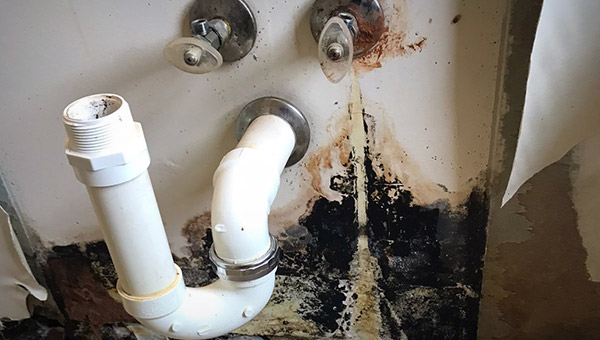
Mold Under Sinks in South Merritt Island: What Merritt Island Property Owners Should Know
Mold under sinks is one of the most common hidden mold problems in South Merritt Island homes. It rarely starts as a dramatic leak. More often, it begins with slow moisture—a drip that never quite dries, condensation on cool pipes, or humidity trapped inside a closed cabinet. Weeks later, there’s a musty smell. Months later, there’s visible damage.
For property owners in and around Merritt Island, mold under sinks isn’t a housekeeping issue. It’s a moisture management issue, and in Brevard County’s humid, coastal climate, these small problems don’t stay small for long.
This article explains why mold under sinks is so common locally, where it develops, what signs homeowners notice first, and how proper inspection and remediation prevent the problem from spreading beyond the cabinet.
Why Under-Sink Areas Are High-Risk for Mold
Under-sink cabinets create near-perfect conditions for mold growth.
Constant Water Exposure
Supply lines, drain traps, and disposal connections are all potential moisture sources. Even a slow drip can keep cabinet materials damp continuously.
Poor Airflow
Cabinets are enclosed spaces with little to no airflow. Once moisture gets inside, it tends to stay there.
Cool Surfaces and Condensation
Cold water lines and drain pipes cool the surrounding air. In South Merritt Island’s humid environment, condensation forms easily on these surfaces and drips onto cabinet floors.
Absorbent Materials
Cabinet bases are often made of particle board or MDF, which absorb water quickly and dry very slowly—ideal conditions for mold.
Why Mold Under Sinks Is Especially Common in South Merritt Island
Local conditions increase the risk.
High Humidity Year-Round
Even when there are no leaks, humid air entering cabinets can condense on cooler plumbing components.
Slab Foundations
Moisture migrating upward from concrete slabs can keep lower cabinets and baseboards damp, especially along exterior walls.
Coastal Storms and Wind-Driven Rain
Storms can introduce moisture into wall cavities near kitchens and bathrooms. That moisture often settles into cabinets before it’s ever noticed.
Frequent AC Use
Air conditioning cools cabinet interiors quickly, increasing condensation when humid air enters the space.
Common Places Mold Develops Under Sinks
Mold under sinks is rarely limited to one small spot.
Cabinet Floors
This is the most common area, especially where:
- Drain traps sit
- Cleaning supplies hide early growth
- Leaks drip intermittently
Back Walls of Cabinets
Mold often grows on the back side of drywall, completely hidden until cabinets are removed or odors become noticeable.
Around Pipe Penetrations
Gaps where pipes enter walls allow humid air and moisture to move freely into wall cavities.
Adjacent Flooring and Baseboards
If moisture spreads beyond the cabinet, mold may develop just outside the sink area without an obvious source.
Early Warning Signs Homeowners Notice
Under-sink mold usually gives subtle clues first.
Odors
- Musty or sour smells inside cabinets
- Odors strongest after running water
- Smells returning even after cleaning
Visual Clues
- Dark staining on cabinet floors
- Swollen or warped cabinet bases
- Peeling or bubbling finishes
Moisture Indicators
- Cabinet surfaces that feel damp
- Condensation on pipes
- Soft or crumbling cabinet materials
These signs almost always indicate ongoing moisture, not old damage.
Why Mold Under Sinks Keeps Coming Back
In South Merritt Island homes, under-sink mold often returns because the moisture source wasn’t fully addressed.
Common reasons include:
- Cleaning visible mold without fixing slow leaks
- Replacing cabinet liners without drying wall cavities
- Painting or sealing damaged wood
- Ignoring condensation on cold pipes
Without moisture control, mold regrows.
Why DIY Cleanup Under Sinks Often Fails
Homeowners frequently try to handle under-sink mold themselves.
Common DIY approaches include:
- Bleach or spray cleaners
- Scrubbing cabinet surfaces
- Installing shelf liners
- Using air fresheners to mask odors
These steps may improve appearance temporarily but often:
- Miss mold behind walls
- Leave damp materials in place
- Spread mold spores into the air
- Delay proper repairs
DIY cleanup treats symptoms, not causes.
How Professional Mold Inspections Help
A professional inspection focuses on why the area is staying wet.
Moisture Detection
Inspectors identify:
- Damp drywall behind cabinets
- Moisture under flooring
- Condensation patterns on plumbing
- Slab moisture migration
Plumbing Evaluation
Supply lines, drains, and fittings are checked for:
- Active leaks
- Past leak damage
- Improper sealing
Slow leaks are one of the most common causes.
Adjacent Area Assessment
Inspectors also examine:
- Nearby walls and baseboards
- Cabinets on exterior walls
- HVAC vents near sink areas
Moisture often spreads beyond the cabinet.
Testing When Appropriate
Mold testing may be recommended when:
- Mold is suspected but not visible
- Documentation is needed
- Post-remediation verification is required
Testing supports decisions but never replaces moisture investigation.
Proper Mold Remediation Under Sinks
Effective remediation addresses both contamination and moisture.
- Correct the moisture source
Plumbing repairs or condensation control come first. - Contain the affected area
Prevents spores from spreading during removal. - Remove contaminated materials
Damaged cabinet bases or drywall are removed when they cannot be safely dried. - HEPA cleaning and air filtration
Professional equipment cleans surfaces and indoor air. - Drying and verification
Moisture levels are confirmed stable before repairs.
Skipping steps is why under-sink mold often returns.
Does Mold Under Sinks Affect the Rest of the Home?
It can.
Under-sink mold may:
- Release odors into living spaces
- Spread into wall cavities
- Affect adjacent flooring and cabinets
- Contribute to broader humidity issues
Because it’s hidden, it’s often more extensive than it first appears.
Preventing Mold Under Sinks in South Merritt Island Homes
Prevention focuses on awareness and moisture control.
Effective steps include:
- Inspecting under sinks regularly
- Fixing even small leaks immediately
- Insulating cold water pipes to reduce condensation
- Keeping cabinet doors open periodically for airflow
- Avoiding storing items directly against cabinet walls
- Maintaining indoor humidity between 30–50%
Simple habits prevent costly repairs.
Why Local Experience Matters
Under-sink mold behaves differently in Florida than in dry climates. Slab foundations, coastal humidity, and storm patterns all influence moisture movement.
A local company like Brevard Mold Inspections & Removal understands:
- Where under-sink mold typically forms in South Merritt Island homes
- How local construction traps moisture
- When limited repairs are enough—and when deeper remediation is needed
Local experience helps homeowners avoid repeat problems.
A Calm, Practical Takeaway
Mold under sinks is common in South Merritt Island, but it’s never random. It’s almost always the result of moisture that hasn’t been allowed to dry properly.
If you’re noticing musty odors, damp cabinets, or cabinet materials starting to swell, a professional inspection can identify what’s happening behind the scenes and help stop the problem before it spreads.
Brevard Mold Inspections & Removal works with homeowners throughout Merritt Island and Brevard County to assess under-sink mold issues accurately and prevent long-term damage.
In Florida’s climate, catching moisture early—especially in hidden spaces like under sinks—is one of the simplest ways to protect your home.
