
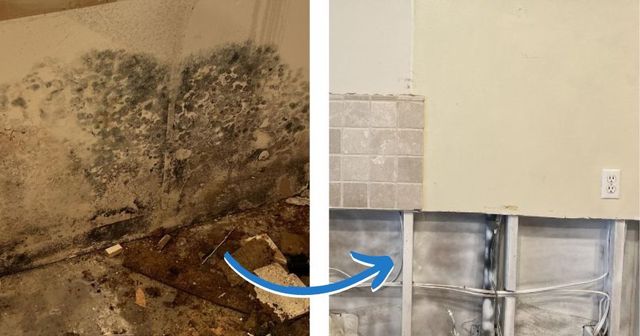
Mold in Kitchens in Banana River: What Merritt Island Property Owners Should Know
Kitchens are one of the most overlooked places for mold in Banana River homes. Because kitchens are used daily and cleaned often, many homeowners assume mold would be obvious if it were present. In reality, kitchen mold usually develops out of sight, fueled by moisture from plumbing, appliances, humidity, and slab foundations common throughout Merritt Island.
For property owners in and around Merritt Island, mold in the kitchen is rarely just a housekeeping issue. It’s typically a sign that moisture is lingering where it shouldn’t—often for weeks or months—before anyone notices a problem.
This article explains why kitchens in Banana River are prone to mold, where it usually hides, what warning signs to watch for, and how proper inspection and remediation prevent the issue from spreading beyond the kitchen.
Why Kitchens Are High-Risk Areas for Mold
Kitchens combine several conditions mold needs to grow.
Constant Water Use
Sinks, dishwashers, refrigerators with water lines, and ice makers all introduce water into one area. Even small leaks can keep materials damp long enough for mold to develop.
Warmth and Limited Airflow
Kitchens are warmer than most rooms, especially around appliances. Cabinets and enclosed spaces often have little airflow, allowing moisture to stay trapped.
High Humidity in Coastal Homes
In Banana River, outdoor humidity is already high. When kitchens cool quickly from AC but moisture remains, condensation forms on cooler surfaces inside cabinets and walls.
Slab Foundations
Most homes sit on concrete slabs. Moisture can migrate upward from the slab and affect lower cabinets and baseboards without any visible leak.
Why Kitchen Mold Is Common in Banana River Homes
Local conditions make kitchen mold more likely here than in drier climates.
Plumbing in Exterior Walls
Many kitchens are built along exterior walls. These walls cool overnight, increasing condensation and moisture retention behind cabinets.
Appliance-Related Moisture
Dishwashers and refrigerators often leak slowly. These leaks may:
- Never reach the floor
- Stay hidden under cabinets
- Soak drywall and particle board
By the time mold is noticed, damage is often extensive.
Storm-Related Moisture
Wind-driven rain can enter wall cavities near kitchen windows or vents, adding hidden moisture that supports mold growth.
Common Places Mold Develops in Kitchens
Kitchen mold is rarely visible at first.
Under the Sink
This is the most common location due to:
- Slow plumbing leaks
- Condensation on pipes
- Cleaning chemicals hiding early growth
Cabinet bottoms often absorb moisture and grow mold underneath.
Behind Cabinets
Mold frequently grows:
- On the back side of drywall
- On cabinet backing materials
- Along exterior walls
Cabinets can look fine while mold spreads behind them.
Around Dishwashers
Dishwashers commonly leak at:
- Door seals
- Supply lines
- Drain connections
Moisture often spreads under flooring and into adjacent cabinets.
Refrigerator Water Lines
Slow leaks from ice maker lines can go unnoticed for long periods, allowing mold to grow behind and beneath the appliance.
Baseboards and Lower Walls
Moisture migrating from the slab can feed mold near the floor line, especially along exterior walls.
Early Warning Signs Homeowners Notice
Kitchen mold usually shows subtle signs before becoming obvious.
Odors
- Musty or sour smells
- Odors strongest near cabinets
- Smells that return after cleaning
Visual Clues
- Warped or swollen cabinet bottoms
- Discoloration under sinks
- Bubbling or peeling paint near baseboards
Moisture Indicators
- Cabinets that feel damp
- Flooring that never seems to dry
- Condensation on pipes
These signs almost always point to hidden moisture, not surface mold alone.
Why Kitchen Mold Keeps Coming Back
Kitchen mold often returns because the moisture source was never fixed.
Common reasons include:
- Cleaning visible mold without repairing leaks
- Replacing cabinet liners without drying wall cavities
- Painting over stains
- Ignoring slow appliance leaks
Without moisture control, mold simply regrows.
Why DIY Kitchen Mold Cleanup Often Fails
Many homeowners attempt to handle kitchen mold themselves.
Common DIY mistakes include:
- Using bleach on cabinet materials
- Scrubbing without containment
- Removing cabinet panels without stopping leaks
- Running fans instead of dehumidifiers
These actions can:
- Spread mold spores
- Drive moisture deeper into materials
- Increase the size of the affected area
DIY cleanup often turns a manageable issue into a larger remediation project.
How Professional Mold Inspections Help
A professional inspection focuses on what you can’t see.
Moisture Detection
Inspectors identify:
- Damp drywall behind cabinets
- Moisture under flooring
- Slab moisture migration
- Condensation patterns
Plumbing and Appliance Evaluation
Professionals check:
- Supply and drain lines
- Dishwasher connections
- Refrigerator water lines
Small leaks are often the root cause.
Adjacent Area Inspection
Inspectors also examine:
- Walls next to the kitchen
- Cabinets sharing exterior walls
- HVAC vents near the kitchen
Kitchen moisture often affects nearby spaces.
Testing When Appropriate
Mold testing may be recommended when:
- Mold is suspected but not visible
- Documentation is needed
- Post-remediation verification is required
Testing supports decisions but never replaces moisture correction.
Proper Mold Remediation in Kitchens
When mold is confirmed, remediation must be thorough and controlled.
- Correct the moisture source
Plumbing or appliance leaks must be fixed first. - Contain affected areas
Barriers prevent spores from spreading during removal. - Remove contaminated materials
Cabinet components, drywall, or flooring are removed when they cannot be safely dried. - HEPA cleaning and air filtration
Surfaces and indoor air are cleaned professionally. - Drying and verification
Moisture levels are confirmed dry before repairs.
Skipping steps is why kitchen mold often returns.
Preventing Kitchen Mold in Banana River Homes
Prevention focuses on moisture awareness and routine checks.
Effective steps include:
- Inspecting under sinks regularly
- Checking dishwasher and refrigerator connections
- Keeping cabinets dry and well-ventilated
- Running AC systems consistently
- Maintaining indoor humidity between 30–50%
- Addressing leaks immediately
- Avoiding storing items tightly against cabinet walls
Small habits make a big difference.
Why Local Experience Matters
Kitchen mold behaves differently in Florida than in dry climates. Slab foundations, coastal humidity, and storm patterns all influence how moisture spreads.
A local company like Brevard Mold Inspections & Removal understands:
- Where kitchen mold typically forms in Banana River homes
- How local construction traps moisture
- When remediation is truly necessary—and when it isn’t
Local knowledge helps homeowners avoid unnecessary repairs while still solving the problem correctly.
A Calm, Practical Takeaway
Mold in kitchens is common in Banana River—but it’s never just about cleaning. Kitchen mold almost always means moisture is lingering somewhere it shouldn’t.
If you’re noticing odors, damp cabinets, or mold that keeps returning, a professional inspection can reveal what’s happening behind the scenes and guide the right solution.
Brevard Mold Inspections & Removal works with homeowners throughout Merritt Island and Brevard County to identify kitchen mold issues accurately and prevent them from spreading.
In Florida’s climate, managing moisture early is always easier—and far less expensive—than dealing with full-scale remediation later.
