
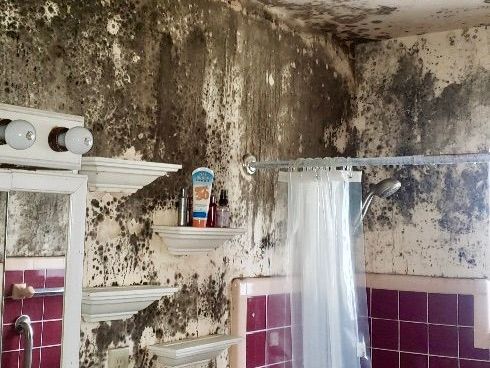
Mold in Bathrooms in Sykes Creek: What Merritt Island Property Owners Should Know
Bathrooms are one of the most common places mold shows up in Sykes Creek homes—and one of the most misunderstood. Many homeowners assume bathroom mold is just a cosmetic issue caused by steam or poor cleaning. In Brevard County’s humid, coastal climate, bathroom mold usually points to ongoing moisture problems that go far beyond surface stains.
For property owners in and around Merritt Island, bathroom mold is often an early warning sign. When it’s ignored or repeatedly cleaned without fixing the underlying moisture, it can spread into walls, ceilings, and even HVAC systems.
This article explains why bathroom mold is so common in Sykes Creek, where it hides, what signs homeowners notice first, and how proper inspection and remediation prevent bigger problems down the road.
Why Bathrooms Are High-Risk Areas for Mold
Bathrooms create the perfect environment for mold growth, especially in Florida.
Constant Humidity and Steam
Showers and baths release large amounts of moisture into the air. In Sykes Creek, that moisture doesn’t dissipate easily because outdoor humidity is already high.
Poor or Ineffective Ventilation
Many bathrooms have:
- Undersized exhaust fans
- Fans that vent into attics instead of outdoors
- Fans that aren’t used consistently
Without proper ventilation, moisture lingers long after showers end.
Cool Surfaces and Condensation
Bathroom walls, ceilings, and exterior-facing surfaces cool quickly when AC is running. Warm, moist air condenses on these surfaces, feeding mold growth.
Why Bathroom Mold Is So Common in Sykes Creek Homes
Local construction and climate play a big role.
Slab Foundations
Moisture can migrate upward from the slab, keeping lower bathroom walls damp—especially near tubs, showers, and toilets.
Exterior Wall Bathrooms
Bathrooms built along exterior walls are more prone to condensation and moisture buildup, particularly in the early morning hours.
Frequent AC Use
Air conditioning runs most of the year, creating temperature differences that encourage condensation inside bathrooms.
Storm-Related Moisture
Wind-driven rain can enter wall cavities near bathroom windows or vents, adding hidden moisture that supports mold growth.
Common Places Mold Develops in Bathrooms
Bathroom mold isn’t always obvious at first.
Shower and Tub Areas
- Grout and caulk
- Tile edges
- Behind shower walls
Mold behind tile is often missed because the surface looks clean.
Ceilings and Upper Walls
Warm, moist air rises and collects near the ceiling, especially when fans are ineffective.
Under Vanities and Sinks
Slow plumbing leaks and trapped humidity create ideal conditions for hidden mold growth.
Around Toilets
Wax ring failures or minor leaks can keep flooring and subfloor materials damp.
Inside Walls
Mold frequently grows on the back side of drywall, where moisture stays trapped out of sight.
Early Warning Signs Homeowners Notice
Bathroom mold problems usually give subtle clues before becoming obvious.
Odors
- Musty or earthy smells
- Odors strongest after showers
- Smells lingering even after cleaning
Visual Clues
- Dark spots on grout or caulk
- Discoloration on ceilings
- Bubbling or peeling paint
Moisture Indicators
- Condensation on walls or mirrors long after showers
- Walls that feel damp to the touch
- Repeated mold returning in the same spots
These signs almost always point to ongoing moisture, not just surface mold.
Why Bathroom Mold Keeps Coming Back
In Sykes Creek homes, bathroom mold often returns because the cause isn’t fixed.
Common reasons include:
- Cleaning without improving ventilation
- Replacing caulk without drying wall cavities
- Painting over stains
- Ignoring exhaust fan performance
- Not addressing slab or plumbing moisture
Without moisture control, mold simply regrows.
Why DIY Bathroom Mold Cleanup Often Fails
Many homeowners try to handle bathroom mold themselves.
Common DIY approaches include:
- Bleach or spray cleaners
- Scrubbing grout and caulk
- Repainting ceilings
- Re-caulking showers
These steps may improve appearance temporarily but often:
- Miss mold behind walls
- Leave moisture trapped
- Spread spores into the air
- Allow mold to return within weeks
DIY cleanup addresses symptoms, not causes.
How Professional Mold Inspections Help
A professional inspection looks beyond what’s visible.
Moisture Detection
Inspectors identify:
- Damp drywall behind tile
- Moisture under flooring
- Condensation patterns
- Plumbing-related moisture
This reveals whether mold is likely hidden.
Ventilation Assessment
Exhaust fans are evaluated for:
- Proper airflow
- Correct venting outdoors
- Adequate size for the space
Poor ventilation is one of the biggest contributors to bathroom mold.
Adjacent Area Evaluation
Inspectors also check:
- Attics above bathrooms
- Closets or hallways next to bathrooms
- Exterior wall cavities
Bathroom moisture often affects nearby areas.
Testing When Appropriate
Mold testing may be recommended when:
- Mold is suspected but not visible
- Documentation is needed
- Post-remediation verification is required
Testing supports decisions but does not replace moisture investigation.
Proper Bathroom Mold Remediation
When bathroom mold is confirmed, remediation must be thorough.
- Correct the moisture source
This may include ventilation upgrades, plumbing repairs, or moisture control improvements. - Contain affected areas
Barriers prevent mold spores from spreading during removal. - Remove contaminated materials
Drywall, insulation, or backing materials are removed when they cannot be dried safely. - HEPA cleaning and air filtration
Professional equipment cleans both surfaces and indoor air. - Drying and verification
Moisture levels are confirmed dry before rebuilding.
Skipping steps is why bathroom mold often returns.
Preventing Bathroom Mold in Sykes Creek Homes
Prevention focuses on moisture management and airflow.
Effective steps include:
- Using exhaust fans during and after showers
- Ensuring fans vent outdoors, not into attics
- Running fans for at least 20–30 minutes post-shower
- Keeping bathroom doors open when possible
- Fixing plumbing leaks promptly
- Maintaining indoor humidity between 30–50%
- Inspecting caulk, grout, and ceilings regularly
Small changes can make a big difference.
Why Local Experience Matters
Bathroom mold behaves differently in Florida than in dry climates. Slab foundations, coastal humidity, and storm patterns all influence moisture behavior.
A local company like Brevard Mold Inspections & Removal understands:
- How Sykes Creek bathrooms trap moisture
- Where hidden mold typically forms
- When remediation is necessary—and when it isn’t
Local experience helps avoid both overreaction and missed problems.
A Calm, Practical Takeaway
Mold in bathrooms is common in Sykes Creek—but it’s not something to ignore. Bathroom mold usually means moisture is lingering where it shouldn’t, and the longer it’s left unaddressed, the more likely it is to spread beyond the bathroom.
If you’re dealing with recurring mold, musty odors, or moisture that doesn’t seem to dry, a professional inspection can clarify what’s happening behind the scenes.
Brevard Mold Inspections & Removal works with homeowners throughout Merritt Island and Brevard County to assess bathroom mold issues accurately and prevent long-term damage.
In Florida’s climate, managing moisture—not just cleaning mold—is always the real solution.
