
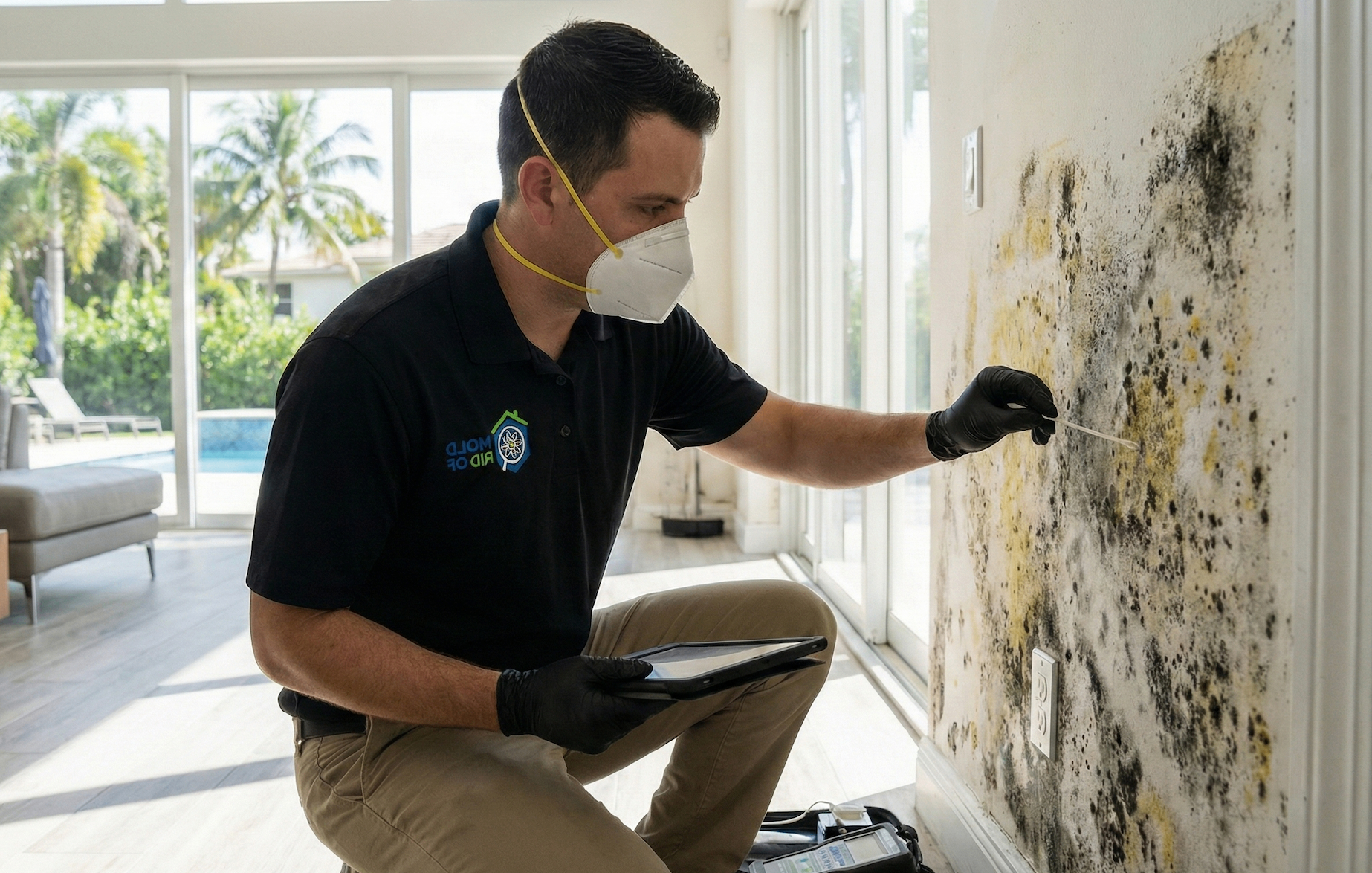
Mold Testing in Sykes Creek: What Merritt Island Property Owners Should Know
Sykes Creek neighborhoods are among the most desirable parts of Merritt Island, offering waterfront access, beautiful scenery, and a relaxed coastal lifestyle. However, homes near waterways also face higher humidity and moisture exposure, which increases the risk of mold problems indoors.
Many homeowners only think about mold testing after they see visible mold or notice persistent musty odors. In reality, mold often grows in hidden areas long before becoming obvious. Mold testing helps determine whether contamination is present and whether indoor mold levels are higher than normal.
Understanding how mold testing works and when it is useful helps Sykes Creek homeowners make informed decisions about protecting their homes.
Why Mold Problems Are Common in Sykes Creek Homes
Living near waterways like Sykes Creek provides beautiful views, but coastal living also means constant exposure to moisture.
Local conditions that contribute to mold growth include:
• High year-round humidity
• Frequent summer rainstorms
• Hurricane and tropical storm exposure
• Waterfront air increasing indoor moisture
• High groundwater levels in some neighborhoods
• Continuous air conditioning use creating condensation
Moisture often enters homes through small leaks or condensation issues that may not be immediately visible. Once moisture remains trapped inside walls or ceilings, mold spores can begin growing quickly.
Because mold frequently grows in hidden spaces, homeowners may not realize contamination exists.
What Mold Testing Actually Is
Mold testing involves collecting samples to determine whether mold spores are present in indoor environments at elevated levels.
Testing may include:
• Air sampling
• Surface sampling
• Bulk material sampling when necessary
Laboratories analyze samples to identify mold types and spore concentrations.
Testing helps determine whether indoor mold levels differ significantly from outdoor levels.
However, testing alone does not solve mold problems. Identifying moisture sources remains equally important.
When Mold Testing May Be Helpful
Mold testing is not always necessary, especially when visible mold is already present. In those cases, removal typically becomes the priority.
Testing is often helpful when:
• Musty odors are present but mold is not visible
• Residents suspect hidden contamination
• Post-remediation verification is needed
• Buyers request testing before purchasing a home
• Indoor air quality concerns arise
• Multiple rooms may be affected
Testing helps confirm whether mold contamination exists when problems are not obvious.
It also helps determine whether remediation efforts were successful.
Common Areas Mold Testing Targets
Mold testing often focuses on areas where contamination may be hidden.
Typical locations tested include:
• Living areas with musty odors
• Bedrooms with humidity issues
• Attics affected by roof leaks
• Crawl spaces absorbing moisture
• HVAC systems and ductwork
• Closets along exterior walls
• Areas with past water damage
Homes near Sykes Creek sometimes experience elevated indoor humidity, increasing mold risks in hidden spaces.
Testing helps locate contamination sources.
What Happens During a Mold Testing Appointment
A professional mold testing appointment usually includes several steps.
Initial Inspection
Testing typically begins with a walkthrough of the home to identify possible moisture or mold concerns.
Inspectors look for water damage, ventilation issues, and visible mold growth.
Air Sampling
Air samples are collected from inside the home and compared with outdoor air samples.
These samples help determine whether indoor mold spore levels are higher than normal.
Air samples are collected using specialized pumps that capture spores on testing cartridges.
Surface Sampling
When visible mold or suspect areas are present, surface samples may be taken using swabs or tape lifts.
These samples help identify mold types growing on surfaces.
Laboratory Analysis
Samples are sent to a laboratory where technicians identify mold types and spore concentrations.
Results typically become available within a few days.
Results Explanation
Professionals explain findings and recommend whether remediation or moisture corrections are necessary.
Results help guide next steps.
Why Mold Often Goes Undetected Without Testing
Many mold problems remain hidden because growth often occurs in concealed areas.
Common reasons mold goes unnoticed include:
• Growth behind drywall
• Mold inside insulation
• Moisture trapped beneath flooring
• HVAC systems spreading spores
• Crawl spaces rarely inspected
Homeowners sometimes become accustomed to mild odors, making problems harder to notice.
Testing helps confirm contamination when visual evidence is limited.
Why DIY Mold Testing Kits Often Mislead Homeowners
Homeowners sometimes purchase DIY mold testing kits, but these kits often produce confusing or misleading results.
Limitations of DIY kits include:
• Mold spores naturally exist everywhere
• Kits cannot compare indoor and outdoor conditions accurately
• Results may cause unnecessary concern
• Kits cannot identify moisture sources
Professional testing provides clearer interpretation and guidance.
Testing should always be paired with moisture investigation.
How Mold Testing Results Guide Remediation
When testing confirms elevated mold levels, results help guide remediation planning.
Professional remediation may include:
• Containment of affected areas
• HEPA air filtration
• Removal of mold-damaged materials
• Cleaning surrounding surfaces
• Correction of moisture sources
• Thorough drying and prevention measures
Professionals familiar with Merritt Island homes understand how coastal humidity influences mold behavior.
Local specialists such as Mold Removal Merritt Island tailor remediation plans based on local environmental conditions.
The goal is preventing mold from returning.
Preventing Mold After Testing and Remediation
After moisture problems are corrected, prevention becomes the focus.
Helpful prevention steps include:
• Maintaining indoor humidity below 60%
• Servicing HVAC systems regularly
• Cleaning AC drain lines routinely
• Repairing leaks immediately
• Improving attic and crawl space ventilation
• Inspecting homes after storms
• Using dehumidifiers in damp areas
Routine maintenance helps prevent future contamination.
Homes near waterways benefit from periodic humidity monitoring.
Why Local Experience Matters for Mold Testing
Homes across Merritt Island vary based on construction type and proximity to water.
Professionals familiar with Sykes Creek understand:
• Waterfront humidity patterns
• Storm-related moisture risks
• Ventilation challenges in coastal homes
• Slab versus elevated construction differences
Local experience helps inspectors interpret results accurately and recommend solutions suited to island conditions.
Professionals experienced with Merritt Island properties often identify risks faster than contractors unfamiliar with coastal construction.
Protecting Home Value Through Early Testing
Homes represent significant investments, and mold problems can affect property value if not corrected properly.
Addressing mold concerns early helps:
• Prevent structural damage
• Maintain indoor comfort
• Reduce repair costs
• Avoid complications during home sales
• Protect long-term property value
Preventive inspections and testing protect investments.
A Practical Next Step for Homeowners
If you notice persistent musty odors or suspect hidden moisture issues in your home, scheduling professional mold testing can help determine whether contamination is present.
Early action usually keeps remediation manageable and prevents mold from spreading into structural materials. Correcting moisture problems protects both indoor comfort and property value.
With proper testing and moisture management, Sykes Creek homeowners can continue enjoying coastal living while avoiding recurring mold concerns.
Taking preventive action today helps keep homes safe and comfortable in Florida’s humid coastal climate.
