
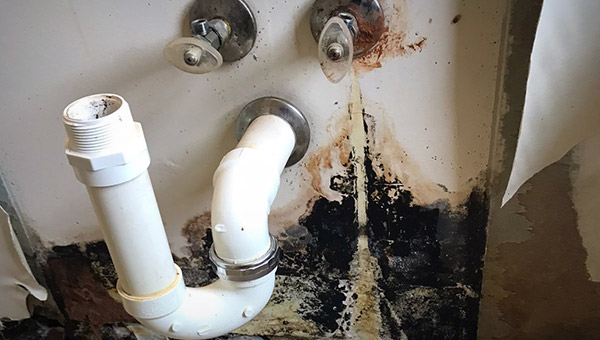
Mold After Water Damage in Merritt Island: What Merritt Island Property Owners Should Know
Water damage and mold go hand in hand in Merritt Island. In Brevard County’s humid, coastal climate, water rarely dries on its own. When moisture lingers inside walls, under flooring, or around HVAC systems, mold growth often follows—sometimes within days, sometimes quietly over weeks.
For property owners in Merritt Island, mold after water damage isn’t a rare or extreme situation. It’s a common outcome when drying is incomplete, moisture sources aren’t fully addressed, or hidden areas are overlooked. Understanding how and why mold develops after water damage helps homeowners act early, avoid repeat problems, and protect their property long-term.
This article explains what really happens after water damage in Merritt Island homes, where mold typically develops, and how proper inspection and remediation prevent small issues from turning into major repairs.
Why Water Damage Leads to Mold So Quickly in Merritt Island
In drier climates, minor water damage might dry out with time. In Merritt Island, that’s rarely the case.
High Humidity Slows Drying
Even after visible water is removed, indoor humidity stays high. This prevents materials like drywall, wood, and insulation from drying completely.
Slab Foundations Trap Moisture
Most homes sit on concrete slabs. After leaks or flooding:
- Moisture soaks into surrounding soil
- Water migrates upward through the slab
- Lower walls and flooring remain damp
This creates ideal conditions for mold growth near baseboards.
AC Systems Add Condensation
Air conditioning runs nearly year-round. After water damage, AC systems can:
- Pull moisture into wall cavities
- Create condensation on vents and ductwork
- Spread damp air throughout the home
If the HVAC system isn’t evaluated, mold can spread far beyond the original water source.
Common Types of Water Damage That Lead to Mold
Mold after water damage doesn’t only come from floods. In Merritt Island, it often follows everyday issues.
Roof Leaks
Even small roof leaks can soak insulation and drywall without obvious dripping. Mold often develops above ceilings or inside walls.
Plumbing Leaks
Slow leaks under sinks, behind walls, or beneath slabs can go unnoticed for weeks—long enough for mold to grow extensively.
AC Drain Line or Pan Failures
Clogged drain lines and overflowing pans are one of the most common causes of mold locally.
Storm and Wind-Driven Rain
Rain doesn’t need to flood a home. Wind-driven storms can push moisture into wall cavities through small exterior openings.
Appliance Failures
Dishwashers, washing machines, and water heaters can leak slowly, allowing moisture to spread beneath flooring and cabinets.
Where Mold Commonly Develops After Water Damage
Mold growth after water damage is often hidden at first.
Common locations include:
- Behind drywall near the original leak
- Under baseboards and flooring
- Inside cabinets and vanities
- AC closets and mechanical rooms
- Attics below roof leaks
- Duct insulation and air handlers
By the time mold is visible, it’s often already established elsewhere.
Early Signs Mold May Be Developing
Homeowners often notice subtle changes before seeing mold.
Odors
- Musty or earthy smells
- Odors strongest in the morning
- Smells that return after rain or AC cycles
Visual Changes
- Bubbling or peeling paint
- Discoloration near baseboards or ceilings
- Staining around vents or light fixtures
Moisture Clues
- Damp-feeling walls or floors
- Condensation on vents
- Areas that never seem to dry
These signs usually point to hidden moisture, not surface mold alone.
Why Quick Drying Isn’t Always Enough
Many homeowners assume that once water is dried, the problem is solved. In Florida, that’s often not true.
Common issues include:
- Drying only visible surfaces
- Missing moisture trapped behind walls
- Leaving wet insulation in place
- Not addressing humidity levels
Mold can grow on the back side of drywall or inside insulation even when surfaces feel dry.
Why DIY Cleanup After Water Damage Often Fails
After water damage, homeowners often try:
- Fans and open windows
- Bleach or disinfectants
- Repainting damaged areas
- Replacing small sections of drywall
These steps may improve appearance but often:
- Miss hidden moisture
- Spread mold spores
- Allow mold to return weeks later
Without moisture detection and verification, DIY cleanup is rarely enough.
How Professional Inspections Help After Water Damage
A professional mold inspection after water damage focuses on what can’t be seen.
Moisture Mapping
Inspectors use professional tools to locate:
- Damp drywall and insulation
- Moisture migration from slabs
- Wet areas behind cabinets or walls
This identifies where mold is most likely to develop.
HVAC Evaluation
HVAC systems are checked for:
- Condensation issues
- Contaminated insulation
- Moisture spreading through airflow
This step is critical in Merritt Island homes.
Attic and Structural Checks
Inspectors look for:
- Wet insulation
- Roof-related moisture
- Condensation on decking
These areas are often overlooked after storms or leaks.
When Mold Testing Is Useful After Water Damage
Mold testing may be recommended when:
- Mold is suspected but not visible
- Documentation is needed
- Post-remediation verification is required
Testing supports decisions but never replaces moisture investigation.
Proper Mold Remediation After Water Damage
When mold is confirmed, remediation must address both contamination and moisture.
- Correct the water source
Roof, plumbing, AC, or drainage issues must be fixed first. - Contain affected areas
Barriers prevent spores from spreading during removal. - Remove contaminated materials
Wet drywall, insulation, or flooring is removed when it can’t be dried safely. - HEPA cleaning and air filtration
Surfaces and indoor air are cleaned professionally. - Drying and verification
Moisture levels are confirmed dry before repairs begin.
Skipping steps is the most common reason mold returns after water damage.
Does Mold Always Appear After Water Damage?
Not always—but the risk is high if:
- Materials stayed wet longer than 24–48 hours
- Humidity remained elevated
- Drying was incomplete
- Hidden areas weren’t checked
Early evaluation greatly reduces the chance of mold developing.
Preventing Mold After Water Damage
Prevention starts immediately after water exposure.
Key steps include:
- Drying affected areas within 24–48 hours
- Using dehumidifiers, not just fans
- Inspecting behind walls and under flooring
- Checking AC systems and drain lines
- Monitoring humidity levels
- Scheduling a professional inspection if moisture persists
The faster moisture is controlled, the easier prevention becomes.
Why Local Experience Matters in Merritt Island
Water damage behaves differently in Florida than in dry climates. Slab foundations, coastal humidity, and storm patterns all influence how moisture spreads and lingers.
A local company like Brevard Mold Inspections & Removal understands:
- How Merritt Island homes retain moisture
- Where mold typically develops after water damage
- How to assess damage without unnecessary demolition
Local experience leads to more accurate decisions and fewer surprises.
A Calm, Practical Takeaway
Mold after water damage in Merritt Island isn’t about bad luck—it’s about moisture that didn’t fully dry. The sooner moisture is identified and controlled, the easier it is to prevent mold and protect your home.
If your property experienced water damage and you’re noticing odors, dampness, or changes in indoor comfort, a professional inspection can clarify what’s happening and what needs attention.
Brevard Mold Inspections & Removal works with homeowners throughout Merritt Island and Brevard County to assess water damage-related mold risks responsibly and prevent long-term issues.
In this climate, early action is almost always the simplest and most cost-effective solution.
