
Toxic Mold in Banana River: What Merritt Island Property Owners Should Know
The phrase “toxic mold” gets a lot of attention in Banana River, and for understandable reasons. Homes in this area sit close to water, deal with constant humidity, and rely heavily on air conditioning. When mold shows up, especially dark or widespread growth, property owners naturally worry about how serious the situation really is.
In Brevard County, the truth is a little more grounded than the headlines make it sound. The real concern isn’t the label “toxic mold.” It’s long-term moisture and hidden growth inside the home. Understanding that difference helps homeowners respond correctly—without panic, shortcuts, or unnecessary damage.
This article explains what people usually mean by toxic mold, why it appears in Banana River homes, where it’s commonly found, and how professional inspection and remediation actually protect your property.
What People Usually Mean by “Toxic Mold”
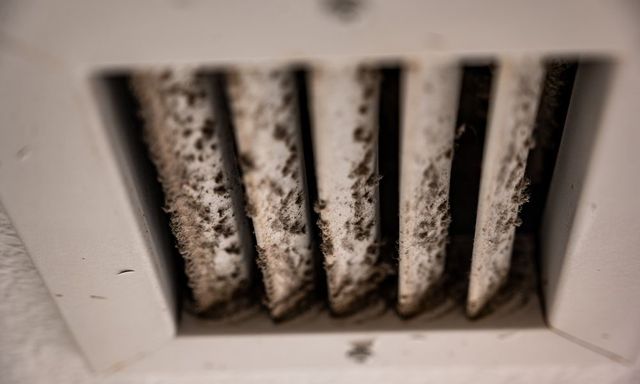
“Toxic mold” isn’t a technical building term. Homeowners typically use it to describe mold that:
- Looks dark or heavy
- Keeps coming back
- Appears after water damage
- Is associated with strong odors or discomfort
Some molds can produce byproducts when growing in wet conditions, but color alone doesn’t determine risk, and not all darker molds behave the same way.
Important things to understand:
- Many molds can appear black, green, or dark brown
- Some molds associated with moisture damage can produce irritants
- Not all problem molds look dark
- You cannot identify toxicity by sight alone
In real homes, how much mold there is, where it’s growing, and how long moisture has been present matter far more than the name.
Why Banana River Homes Are Prone to Toxic Mold Concerns
Homes near Banana River face several environmental factors that allow mold to grow aggressively if moisture isn’t controlled.
Persistent Coastal Humidity
Humidity stays high day and night. Even when it hasn’t rained, indoor air can hold enough moisture to support mold growth if the AC system isn’t dehumidifying effectively.
Slab Foundations
Most Banana River homes are built on concrete slabs. After heavy rain:
- Soil around the slab becomes saturated
- Moisture migrates upward through the concrete
- Lower walls and flooring remain damp
This often leads to mold growth near baseboards without any visible leak.
Heavy AC Use and Condensation
Air conditioning runs almost year-round and creates constant moisture through:
- Condensate drain lines
- Drain pans
- Air handlers
- Duct insulation
AC-related moisture is one of the most common contributors to long-term mold problems in this area.
Storms and Wind-Driven Rain
Water doesn’t need to flood a home to cause mold. Wind-driven rain can enter wall cavities through small exterior openings, soaking insulation and drywall without leaving obvious water stains.
Common Places Toxic Mold Is Found in Banana River Homes
When mold raises concern in Banana River homes, it’s usually found in areas where moisture lingers unnoticed.
- Behind drywall near baseboards
- AC closets and mechanical rooms
- Closets on exterior walls
- Under sinks and inside cabinets
- Around windows and doors after storms
- Attics with condensation on roof decking
- Inside HVAC systems and duct insulation
Visible mold is often only the smallest part of the problem.
Early Signs Homeowners Often Notice
Mold associated with long-term moisture usually shows warning signs before it becomes obvious.
Odors
- Musty or earthy smells
- Odors strongest in the morning
- Smells returning after rain or AC cycles
Visual Clues
- Dark spotting on drywall or baseboards
- Bubbling or peeling paint
- Staining near vents or ceilings
Moisture Indicators
- Condensation on vents or walls
- Damp-feeling areas near the floor
- Repeated ceiling tile or drywall staining
These signs almost always point to hidden moisture, not just surface mold.
Why Toxic Mold Concerns Usually Mean a Moisture Problem
When mold associated with “toxic” concerns is present, it usually means:
- Materials stayed wet longer than 24–48 hours
- Moisture sources went unnoticed
- Humidity remained elevated for long periods
- AC or ventilation issues were ongoing
Cleaning mold without fixing these conditions is why it often returns.
Why DIY Cleanup Is Especially Risky
Homeowners often try to handle mold themselves before calling a professional.
Common DIY mistakes include:
- Using bleach on drywall or wood
- Scrubbing without containment
- Painting over stained areas
- Removing small drywall sections without fixing moisture
These actions can:
- Spread spores throughout the home
- Push moisture deeper into materials
- Increase the area that later needs remediation
DIY cleanup frequently turns a manageable issue into a larger one.
How Professional Mold Inspections Help
A proper mold inspection focuses on why mold is present, not just what it looks like.
Moisture Investigation
Professionals identify:
- Damp drywall and insulation
- Slab moisture migration
- Condensation patterns
- Hidden water intrusion
High-Risk Area Evaluation
Inspectors closely examine:
- AC systems and drain lines
- Attics and roof decking
- Exterior wall cavities
- Closets and storage areas
Testing When It Makes Sense
Mold testing may be recommended when:
- Mold is suspected but not visible
- Documentation is needed
- Post-remediation verification is required
Testing supports decisions—it doesn’t replace fixing moisture.
Proper Remediation for Toxic Mold Situations
If mold growth is confirmed, proper remediation follows a structured process.
- Correct the moisture source
AC, roof, plumbing, or ventilation issues must be fixed first. - Contain the affected area
Barriers and air control prevent spores from spreading. - Remove contaminated porous materials
Drywall or insulation is removed when it can’t be safely dried. - HEPA cleaning and air filtration
Surfaces and indoor air are cleaned professionally. - Drying and verification
Moisture levels are confirmed before repairs begin.
Skipping steps is the main reason mold comes back.
Does Toxic Mold Automatically Mean a Home Is Dangerous?
Not automatically.
The presence of mold associated with “toxic” concerns means:
- Moisture has been present too long
- Conditions need correction
- The issue should be addressed promptly
It does not automatically mean:
- The home is unlivable
- Extreme demolition is required
- Panic is necessary
Proper evaluation determines the correct response.
Preventing Toxic Mold in Banana River Homes
Long-term prevention always comes back to moisture control.
Effective steps include:
- Keeping indoor humidity between 30–50%
- Running AC systems consistently
- Maintaining condensate drain lines
- Improving airflow in closets
- Avoiding furniture tight against exterior walls
- Inspecting attics and baseboards seasonally
- Addressing water intrusion within 24–48 hours
Why Local Experience Matters in Banana River
Mold behaves differently in Florida than in dry climates. Slab construction, coastal humidity, and storm patterns all influence how moisture moves through homes.
A local company like Brevard Mold Inspections & Removal understands:
- How Banana River homes trap moisture
- Where mold typically starts locally
- When remediation is necessary—and when it isn’t
Local knowledge helps avoid both overreaction and missed problems.
A Calm, Practical Takeaway
“Toxic mold” in a Banana River home doesn’t mean failure. It means moisture has been allowed to linger and needs to be addressed properly.
If you’re seeing dark mold, smelling musty odors, or dealing with mold that keeps returning, a professional inspection can clarify what’s happening and what actually needs to be done.
Brevard Mold Inspections & Removal works with homeowners throughout Merritt Island and Brevard County to assess mold concerns accurately and responsibly.
In this climate, solving the moisture problem is always the real solution—and addressing it early is almost always the easiest path forward.
