
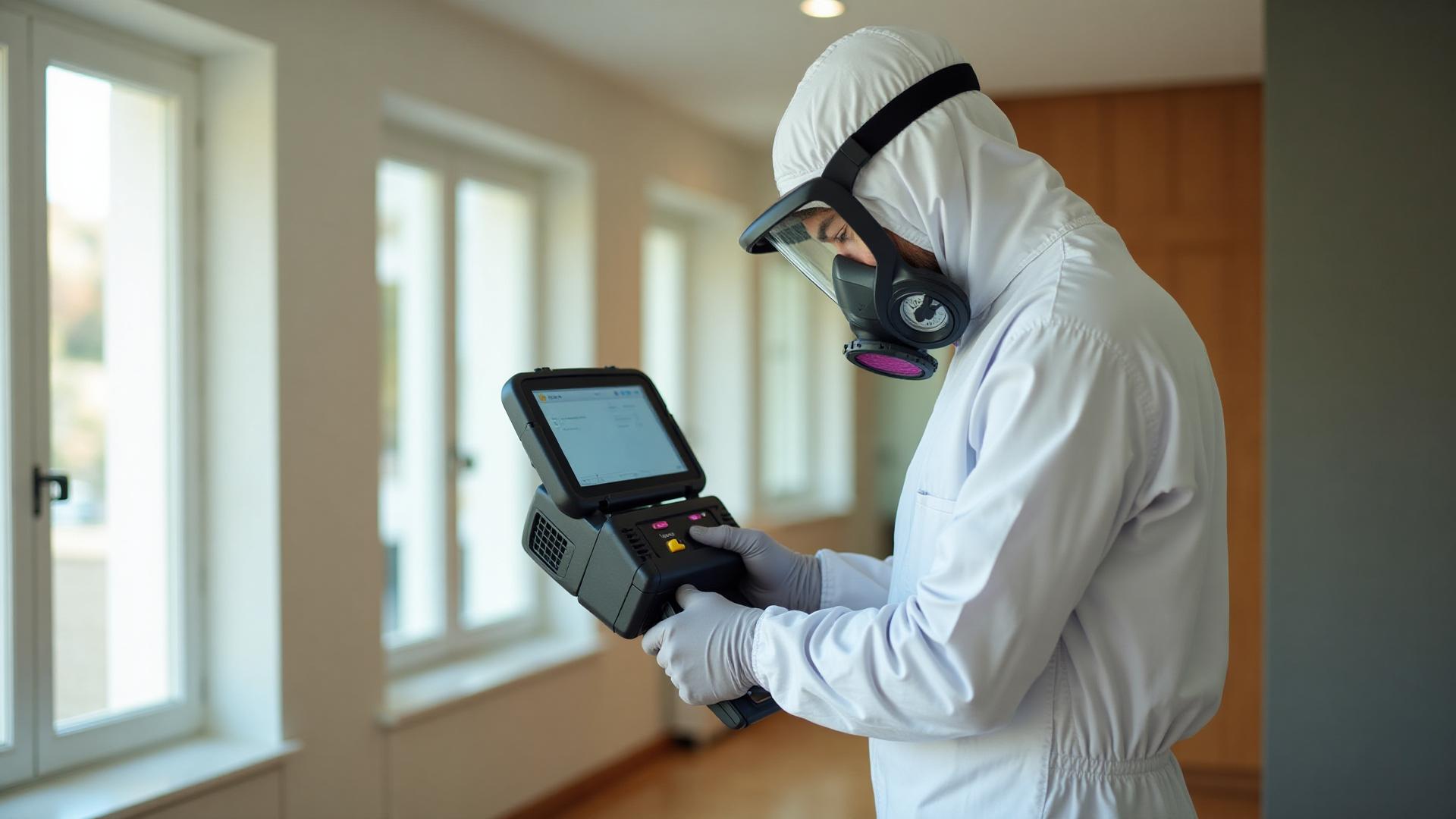
Residential Mold Inspections in Sykes Creek: What Merritt Island Property Owners Should Know
In Sykes Creek, mold problems in homes rarely start with something obvious. Most begin quietly—humidity that never quite drops, a small AC condensation issue, or moisture trapped inside walls after rain. By the time homeowners see discoloration or smell musty odors, mold has often been developing out of sight for weeks or longer.
For homeowners in and around Merritt Island, a residential mold inspection isn’t about confirming the worst. It’s about getting clear, accurate information before a small moisture issue becomes a costly remediation project. In Brevard County’s humid climate, inspections are often preventative, not reactive.
This article explains how residential mold inspections work in Sykes Creek, when they’re needed, what inspectors actually look for, and why local experience matters.
What a Residential Mold Inspection Really Is
A residential mold inspection is a systematic evaluation of moisture and building conditions that influence mold growth. It goes far beyond looking for visible mold.
The purpose is to answer practical questions:
- Is moisture present now or recurring?
- Where is it coming from?
- Is mold likely growing behind walls or ceilings?
- Does the situation require remediation—or just correction and drying?
Many inspections in Sykes Creek uncover moisture problems before mold becomes visible, allowing homeowners to fix the issue early.
Why Homes in Sykes Creek Are Prone to Mold
Sykes Creek homes face several environmental factors that increase mold risk.
High Coastal Humidity
Humidity stays elevated day and night. Even when there’s no rain, moisture builds up indoors if the AC isn’t dehumidifying effectively.
Slab Foundations
Most homes are built on concrete slabs. After rain:
- Moisture saturates surrounding soil
- Vapor migrates upward through the slab
- Lower walls and flooring stay damp longer
This often leads to mold near baseboards without visible leaks.
Heavy AC Use
Air conditioning runs most of the year, creating:
- Condensation at air handlers
- Moisture in drain pans and lines
- Damp duct insulation if airflow is uneven
AC-related mold is one of the most common findings during inspections.
Storms and Wind-Driven Rain
Rain doesn’t always fall straight down. Wind-driven storms can push moisture into wall cavities through small openings that homeowners never notice.
When a Residential Mold Inspection Is Typically Needed
Homeowners in Sykes Creek often request inspections when:
- Musty odors appear without visible mold
- Mold keeps returning after cleaning
- There was a recent roof, plumbing, or AC issue
- A home is being bought or sold
- Water damage occurred but seemed minor
- Family members feel uncomfortable in certain rooms
- Staining appears on ceilings or baseboards
In many cases, inspections confirm hidden moisture, not widespread mold.
What Inspectors Look for During a Home Mold Inspection
A proper inspection always starts with moisture detection, not mold testing.
Moisture Mapping
Professional inspectors use moisture meters and thermal tools to locate:
- Damp drywall and ceilings
- Moisture migration from slabs
- Wet areas behind walls
- Condensation-prone surfaces
This step often reveals issues homeowners didn’t know existed.
Visual Inspection of High-Risk Areas
Inspectors closely examine:
- AC closets and drain systems
- Attics and roof decking
- Closets on exterior walls
- Bathrooms and laundry rooms
- Baseboards and flooring edges
These are common mold starting points in Sykes Creek homes.
Attic Evaluation
Attics are checked for:
- Condensation on roof decking
- Wet insulation
- Inadequate ventilation
Attic mold is frequently discovered during inspections, even when the home interior looks fine.
Odor Investigation
Musty odors often indicate hidden growth. Inspectors trace odors to their source rather than masking them.
Does a Residential Mold Inspection Always Include Testing?
No—and that’s intentional.
Mold testing may be recommended when:
- Mold is suspected but not visible
- Documentation is needed for real estate or insurance
- Post-remediation verification is required
Testing supports decisions, but it does not replace moisture investigation. Without fixing moisture, test results alone don’t solve the problem.
Common Places Mold Is Found in Sykes Creek Homes
Inspections frequently uncover mold in:
- Behind drywall near AC systems
- Inside closets on exterior walls
- Attics with condensation issues
- Under sinks and cabinets
- Around windows after storms
- Lower walls near slab foundations
Visible mold is often just a small part of the picture.
Why Waiting on an Inspection Often Makes Things Worse
Delaying an inspection can lead to:
- Mold spreading behind walls
- Insulation becoming contaminated
- Odors worsening and circulating through HVAC
- Higher remediation costs later
In Florida, 24–48 hours of dampness is often enough for mold to begin.
Why DIY Checks and Cleaning Miss the Real Problem
Homeowners often try:
- Bleach or spray cleaners
- Painting over stains
- Running fans without dehumidifiers
- Replacing small sections of drywall
These steps may hide symptoms but don’t identify why moisture is present, which is why mold often comes back.
How Inspection Findings Guide Proper Solutions
Not every inspection leads to remediation.
Depending on findings, recommendations may include:
- Improving drainage or ventilation
- Repairing AC condensate issues
- Drying affected materials
- Monitoring humidity levels
- Targeted remediation if contamination is confirmed
Good inspections prevent unnecessary work.
Preventing Mold After an Inspection
Homeowners can reduce future risk by:
- Keeping indoor humidity between 30–50%
- Running AC systems consistently
- Maintaining condensate drain lines
- Using exhaust fans properly
- Inspecting attics and closets seasonally
- Addressing any water intrusion within 24–48 hours
Small changes often make a big difference.
Why Local Experience in Sykes Creek Matters
Florida mold behaves differently than mold in dry climates. Slab construction, coastal humidity, and storm patterns all influence how moisture moves through homes.
A local company like Brevard Mold Inspections & Removal understands:
- How Sykes Creek homes trap moisture
- Where mold typically starts in local construction
- How to inspect without unnecessary alarm
Local knowledge leads to more accurate conclusions and better outcomes.
A Calm, Practical Next Step for Homeowners
A residential mold inspection isn’t a sign that something is wrong—it’s a way to confirm conditions and make informed decisions.
If your Sykes Creek home has odors, moisture concerns, or recurring mold issues, a professional inspection can provide clarity and peace of mind.
Brevard Mold Inspections & Removal works with homeowners throughout Merritt Island and Brevard County to evaluate mold risk responsibly and accurately.
Catching moisture issues early is often the simplest—and least expensive—way to protect your home.
