
Mold in Healthcare Facilities in South Merritt Island: What Merritt Island Property Owners Should Know
Healthcare facilities in South Merritt Island play a crucial role in serving local residents, families, and retirees throughout nearby communities along the Banana River, Indian River, and Sykes Creek. Clinics, medical offices, therapy centers, and specialty practices depend on clean, well-maintained environments to operate smoothly every day.
However, like many buildings in coastal Florida, healthcare facilities face ongoing moisture challenges. High humidity, heavy rainfall, and constant air conditioning use create conditions where mold can develop if moisture problems are not addressed quickly.
Because healthcare facilities are larger and more complex than homes, mold sometimes develops behind walls, above ceilings, or inside HVAC systems before anyone realizes a problem exists. Understanding how mold develops in healthcare buildings helps property owners and facility managers protect buildings and maintain comfortable environments for staff and patients.
Why Healthcare Facilities in South Merritt Island Face Mold Risks
Healthcare facilities share many environmental challenges with residential and commercial properties in Merritt Island, but with added complexity due to building size and operational needs.
Common local factors contributing to mold risks include:
• High year-round coastal humidity
• Frequent summer rainstorms and tropical weather systems
• Hurricane-related moisture intrusion risks
• Waterfront humidity near nearby rivers and lagoons
• High groundwater levels in some neighborhoods
• Continuous air conditioning operation
Healthcare buildings also operate nearly every day with high indoor traffic. Patients, staff, and visitors constantly move through the facility, and activities such as cleaning, sanitation, and restroom use add additional indoor moisture.
If moisture problems are not corrected quickly, mold can begin growing in hidden areas.
How Mold Develops in Medical Buildings
Mold grows when moisture remains on surfaces containing organic materials. In healthcare facilities, many common building materials can support mold growth if they become damp.
Typical materials affected include:
• Drywall and painted walls
• Ceiling tiles and insulation
• Carpeting and flooring materials
• Wood cabinetry and furniture
• Paper records or storage materials
Moisture may enter buildings through roof leaks, plumbing failures, condensation problems, or poor ventilation. Once moisture becomes trapped, mold spores already present begin growing quickly in Florida’s warm environment.
Because many healthcare buildings use suspended ceilings and concealed wall cavities, mold may spread before visible damage appears.
Common Areas Mold Appears in Healthcare Facilities
Certain areas within healthcare facilities are more vulnerable to moisture accumulation and mold growth.
Common problem locations include:
• Ceiling tiles beneath roof leaks
• HVAC systems and air handling units
• Patient exam rooms near plumbing areas
• Bathrooms and staff restrooms
• Storage rooms and supply closets
• Laundry or cleaning supply areas
• Waiting rooms near exterior entrances
• Portable or modular medical buildings
Areas with heavy plumbing usage sometimes experience hidden leaks that remain unnoticed until mold develops behind walls.
Because ceilings often hide moisture problems, mold sometimes spreads extensively before stains or odors appear.
How Mold Problems Impact Healthcare Operations
Mold issues in healthcare facilities must be addressed carefully because operations rely on clean and comfortable indoor environments.
Common impacts include:
• Temporary relocation of medical services
• Disruption to appointment schedules
• Increased facility maintenance costs
• Damage to equipment or stored supplies
• Patient and staff discomfort
Healthcare providers work hard to maintain comfortable environments for visitors. Moisture problems can disrupt operations if repairs become necessary.
Maintaining clean facilities supports both operational efficiency and patient confidence.
Why Mold Often Goes Undetected in Medical Buildings
Mold sometimes remains hidden in healthcare facilities because building operations continue despite concealed moisture problems.
Common reasons mold may remain unnoticed include:
• Roof leaks hidden above ceilings
• Ceiling tiles replaced without correcting leaks
• HVAC condensation occurring out of sight
• Maintenance focused on visible repairs only
• Large buildings inspected infrequently
By the time visible staining or odors appear, mold may have spread above ceilings or inside walls.
Routine inspections help prevent larger problems.
Why Cosmetic Repairs Do Not Solve Mold Problems
Sometimes stained ceiling tiles or wall sections are replaced quickly to restore appearance. However, cosmetic repairs rarely solve mold problems.
Mold often returns because:
• Roof or plumbing leaks remain unresolved
• Moisture sources continue
• Mold remains hidden above ceilings
• HVAC systems continue circulating spores
Without correcting moisture problems directly, contamination may return.
Professional inspections help identify underlying causes.
How Professional Mold Inspections Help Healthcare Facilities
Professional inspections help determine whether mold contamination exists and where moisture problems originate.
A healthcare facility mold inspection typically includes:
Visual Inspection
Inspectors examine exam rooms, hallways, offices, restrooms, and mechanical areas for mold or water damage.
Moisture Detection
Moisture meters and thermal imaging tools locate hidden damp areas behind walls or ceilings.
HVAC Evaluation
Inspectors review air handling systems and ductwork for condensation or contamination.
Air or Surface Testing When Needed
Air sampling may help determine whether indoor mold levels are elevated when contamination is suspected.
Inspection findings guide corrective actions.
How Professional Remediation Supports Medical Operations
When mold contamination is confirmed, professional remediation focuses on safe removal while minimizing disruption to facility operations.
Remediation typically includes:
• Containment of affected areas
• HEPA air filtration to capture airborne spores
• Removal of mold-damaged materials
• Cleaning surrounding surfaces
• Repairing moisture sources
• Thorough drying and prevention measures
Remediation work in healthcare facilities is often scheduled during off-hours or phased to reduce service interruption.
Professionals familiar with Merritt Island buildings understand how coastal humidity affects medical facilities and tailor solutions accordingly.
Local specialists such as Mold Removal Merritt Island work with property managers to correct moisture conditions so mold does not return.
Preventing Mold Problems in Healthcare Facilities
Preventive maintenance remains the most effective defense against mold growth.
Helpful prevention steps include:
• Routine roof inspections and repairs
• Regular HVAC maintenance
• Cleaning AC drain lines and condensate pans
• Monitoring indoor humidity levels
• Repairing plumbing leaks quickly
• Improving ventilation in high-moisture areas
• Inspecting buildings after storms
Facility staff should report ceiling staining or musty odors quickly so maintenance teams can respond early.
Routine maintenance reduces operational disruption.
Why Local Experience Matters for Healthcare Facilities
Healthcare buildings throughout Merritt Island vary in age, construction style, and exposure to coastal weather conditions.
Professionals familiar with South Merritt Island understand:
• Waterfront humidity patterns
• Storm-related moisture risks
• Ventilation challenges in coastal buildings
• Construction differences among facility types
Local experience helps professionals diagnose moisture problems quickly and recommend solutions suited to island conditions.
Professionals experienced with Merritt Island properties often identify risks faster than contractors unfamiliar with coastal environments.
Protecting Long-Term Facility Value
Healthcare facilities represent major investments. Maintaining building condition helps extend facility life and reduce long-term repair costs.
Addressing mold concerns early helps:
• Prevent structural damage
• Maintain comfortable environments
• Reduce maintenance costs
• Minimize operational disruption
• Preserve property value
Preventive maintenance protects both facilities and community services.
A Practical Next Step for Property Owners and Facility Managers
If exam rooms, waiting areas, or offices show signs of water damage or persistent musty odors, scheduling a professional inspection can help determine whether mold contamination is present.
Early action usually keeps remediation manageable and prevents disruption to healthcare services. Correcting moisture problems protects facilities and supports comfortable environments for staff and patients.
With proper inspection and moisture management, healthcare facilities in South Merritt Island can continue providing reliable care while avoiding recurring mold concerns.
Taking preventive action today helps keep facilities operating smoothly in Florida’s humid coastal climate.
Image Generation Prompts
- Mold growth visible on ceiling tiles inside Florida healthcare clinic due to roof moisture intrusion, clean medical setting, no people, logos, or text.
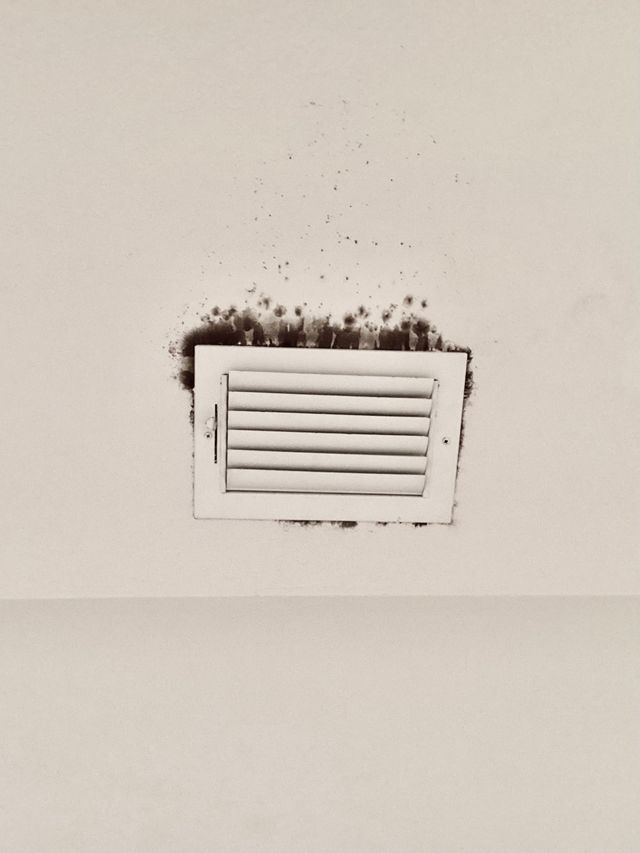
- Mold forming near air conditioning vent inside coastal Florida medical office caused by condensation, uncluttered interior, realistic lighting, no branding or people.
