
Hidden Mold in North Merritt Island: What Merritt Island Property Owners Should Know
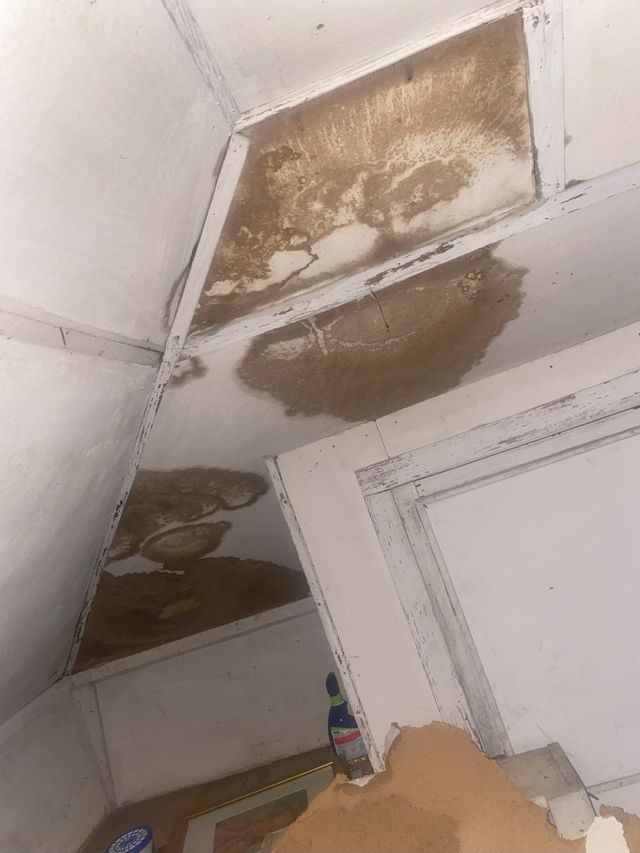
Hidden mold is one of the most common—and most misunderstood—problems we see in North Merritt Island homes. Unlike obvious mold growth in bathrooms or on ceilings, hidden mold develops quietly, out of sight, often for months. By the time homeowners realize something is wrong, the issue feels sudden and overwhelming, even though it has been building slowly in the background.
In Brevard County, hidden mold is not rare or unusual. It’s a predictable result of humidity, moisture intrusion, and Florida-style construction. Understanding how and why it happens is the first step toward handling it correctly and preventing long-term damage.
What Hidden Mold Actually Is
Hidden mold refers to mold growth that develops in places homeowners don’t normally see, such as:
- Inside wall cavities
- Behind drywall or baseboards
- Under flooring
- Above ceilings
- Inside HVAC systems or duct insulation
- In attics with poor ventilation
Because it isn’t visible, hidden mold is usually discovered indirectly—through smells, moisture damage, or recurring problems that never seem to fully resolve.
Why Hidden Mold Is So Common in North Merritt Island
North Merritt Island homes face a unique mix of environmental conditions that allow mold to grow quietly.
Constant Humidity
Even on clear days, outdoor humidity remains high. When that moisture enters the home and doesn’t dry properly, mold has everything it needs to grow.
Slab-On-Grade Construction
Most homes in North Merritt Island are built on concrete slabs. Slabs absorb and hold moisture, which can slowly migrate into lower walls, baseboards, and flooring.
Heavy AC Usage
Air conditioning runs much of the year. While AC cools the home, it also creates condensation. When drain lines clog or airflow is poor, moisture builds up inside walls and ceilings.
Storms and Wind-Driven Rain
Hurricanes, tropical storms, and heavy rain can push water into tiny openings around windows, roofs, and siding. That moisture often dries on the surface but stays trapped inside walls.
Attic Heat and Moisture
Attics in Florida get extremely hot. When humid air meets cooler surfaces, condensation forms, often soaking insulation or roof decking out of sight.
Common Places Hidden Mold Develops
Based on real inspections across North Merritt Island and surrounding areas like Cocoa, Rockledge, and Titusville, hidden mold is most often found in:
- Closets on exterior walls
- Behind baseboards after plumbing or roof leaks
- Beneath laminate or vinyl flooring
- Inside vanity cabinets and under sinks
- Around AC air handlers and drain pans
- Inside duct insulation
- In attics with poor ventilation or insulation gaps
If mold is visible in one small area, there is often additional growth nearby that cannot be seen.
Early Warning Signs Homeowners Notice
Hidden mold rarely announces itself clearly. Instead, homeowners notice patterns that don’t quite make sense at first.
Common warning signs include:
- Musty or earthy odors that linger
- Smells that worsen after rain or at night
- Allergy-like symptoms that improve outside the home
- Discoloration or bubbling paint
- Warped baseboards or drywall
- Floors that feel damp or uneven
- Odors coming from closets or AC vents
These signs often appear long before visible mold does.
Why Hidden Mold Feels Like It Comes “Out of Nowhere”
Many homeowners are shocked when mold is discovered because they never saw a leak or flood. That’s because hidden mold often comes from slow, low-level moisture, not dramatic water events.
Examples include:
- A slow plumbing drip inside a wall
- AC condensation soaking drywall a little each day
- Past water damage that was repaired cosmetically but never dried
- Humidity trapped behind furniture or inside closets
- Condensation forming inside wall cavities during temperature changes
Over time, that moisture adds up.
Why DIY Cleaning Doesn’t Solve Hidden Mold
Hidden mold cannot be fixed with surface cleaning. In fact, DIY attempts often make things worse.
Common mistakes include:
- Spraying bleach or cleaners on visible spots
- Painting over stains
- Removing small sections of drywall without containment
- Running fans without proper drying
- Ignoring the moisture source
These actions may temporarily hide symptoms but leave the underlying problem untouched.
How Professional Mold Inspection Identifies Hidden Mold
A proper mold inspection focuses on conditions, not just what can be seen.
Professional inspections typically include:
- Visual evaluation of high-risk areas
- Moisture readings inside walls, ceilings, and floors
- AC system and condensation assessment
- Attic inspections when accessible
- Identification of moisture pathways
Mold testing may be used in some cases, especially when mold isn’t visible or documentation is needed, but inspection always comes first.
Companies like Brevard Mold Inspections & Removal focus on finding why mold is present, not just confirming that it exists.
Mold Testing and Hidden Mold
Testing can be helpful when:
- Mold is suspected but not visible
- Odors persist without clear growth
- Real estate transactions require documentation
- Post-remediation verification is needed
However, testing alone cannot locate hidden mold or identify moisture sources. Results must be interpreted alongside inspection findings.
Proper Mold Remediation for Hidden Mold
When hidden mold is confirmed, remediation must be targeted and controlled.
A proper approach includes:
- Correcting the moisture source first
- Containing the affected area to prevent spread
- Removing contaminated porous materials when necessary
- HEPA cleaning of remaining surfaces
- Air filtration during and after work
- Verifying materials are dry before repairs
Effective remediation removes what’s needed—no more, no less—and focuses on prevention.
Why Ignoring Hidden Mold Makes It Worse
Hidden mold rarely stays hidden forever. Over time, it can lead to:
- Structural damage to drywall and wood
- Strong, persistent odors
- Worsening indoor air quality
- Higher remediation costs
- Issues during home sales or inspections
Early detection almost always results in a smaller, more manageable project.
Preventing Hidden Mold in North Merritt Island Homes
Long-term prevention focuses on moisture control:
- Keep indoor humidity between 30–50%
- Maintain AC systems and keep drain lines clear
- Use bathroom and kitchen exhaust fans consistently
- Inspect attics after heavy rain or storms
- Address even small leaks immediately
- Avoid placing furniture tightly against exterior walls
- Check closets and rarely used spaces regularly
In Florida, prevention is an ongoing process, not a one-time fix.
Why Local Experience Matters
Hidden mold behaves differently in Florida than in dry climates. Local professionals understand:
- Slab foundation moisture behavior
- Coastal humidity patterns
- Hurricane-related moisture intrusion
- Brevard County building styles
- Attic and AC system failures common to the area
That local experience leads to more accurate inspections and better long-term outcomes.
A Practical, Calm Next Step
If you suspect hidden mold in your North Merritt Island home, the best next step is gaining clarity. A professional inspection helps identify moisture sources, determine whether mold is present, and decide what level of response is appropriate.
Brevard Mold Inspections & Removal works with homeowners, landlords, buyers, and property managers across North Merritt Island, Merritt Island, Cocoa, Rockledge, Titusville, and surrounding Brevard County communities to address hidden mold with experience and perspective.
Most hidden mold problems are manageable when identified early and handled correctly.
