
Mold in Closets in South Merritt Island: What Merritt Island Property Owners Should Know
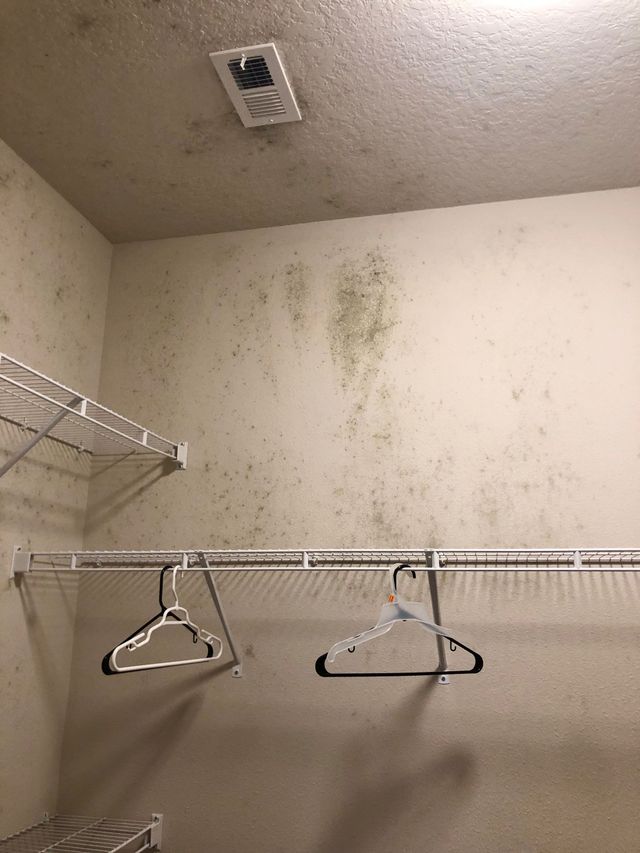
Closets are one of the most common places for mold growth in South Merritt Island homes, yet they are often overlooked until a musty smell or visible mold appears on clothing or walls. Because closets are typically closed spaces with little airflow, they easily trap moisture — especially in Florida’s humid coastal environment.
Homeowners living near the Banana River, Indian River, and surrounding Merritt Island waterways often discover mold problems in closets even when the rest of the home appears dry. In many cases, the issue develops slowly behind stored belongings and goes unnoticed until it spreads.
Understanding why closets are so vulnerable to mold — and how to prevent problems — helps property owners protect both their homes and personal belongings from damage.
Why Closets Are Prone to Mold Growth
Closets create ideal conditions for mold because they are enclosed spaces with limited ventilation. Mold only needs moisture and organic materials to grow, and closets often provide both.
Common conditions that encourage mold growth in closets include:
- Limited airflow
- Humid indoor air
- Exterior walls that collect moisture
- Clothes stored while slightly damp
- Overcrowded storage blocking air circulation
- Lack of lighting or ventilation
- Temperature differences between rooms and closet spaces
In South Merritt Island, humidity remains high for much of the year, allowing moisture to build up in enclosed areas.
Closets located along exterior walls are especially vulnerable because warm, humid air can cause condensation when temperatures change.
Why Closet Mold Is Common in South Merritt Island
South Merritt Island homes sit close to waterways, and coastal humidity affects indoor environments constantly.
Several local factors contribute to closet mold problems:
Coastal Humidity
Moist air easily enters homes and settles in enclosed areas.
Frequent Storm Activity
Storm-driven rain can dampen walls or insulation.
Air Conditioning Temperature Differences
Cool indoor air meeting warm exterior walls can create condensation.
Older Home Construction
Some homes lack proper insulation or moisture barriers.
Poor Closet Ventilation
Closets often have no airflow compared to living spaces.
Salt air exposure may also slowly affect building materials over time, allowing moisture intrusion.
Because closets remain closed much of the time, moisture stays trapped and mold can grow unnoticed.
Early Signs Mold Is Developing in Closets
Closet mold often starts quietly before becoming visible.
Common warning signs include:
Musty smells when opening the closet
Odors may worsen after rainy weather.
Clothing or shoes smelling damp
Even when freshly washed.
Dark spots on closet walls or ceilings
Often appearing in corners or along exterior walls.
Discoloration on stored items
Fabric or boxes may develop spots.
Paint peeling or bubbling inside closets
Moisture trapped behind surfaces causes damage.
Condensation or damp feeling inside closet spaces
Humidity may remain higher inside closets than in rooms.
Homeowners sometimes assume odors come from stored items rather than hidden mold.
Hidden Mold Locations Inside Closets
Closet mold frequently develops in areas hidden behind stored belongings.
Common hidden locations include:
Behind clothing or storage boxes
Along exterior closet walls
Under closet flooring materials
Behind shelving units
Inside wall cavities after leaks
In ceiling corners connected to attic spaces
Around HVAC ducts passing through walls
If past storms or plumbing leaks affected nearby walls, moisture may remain hidden inside closet structures.
Because closets are rarely emptied or inspected fully, mold can spread without detection.
How Closet Mold Can Affect the Rest of the Home
Closet mold doesn’t always stay confined to storage spaces.
Spores may spread through:
- Opening closet doors
- Air circulation systems
- Clothing moved into other rooms
- HVAC airflow
- Shared walls between rooms
Over time, mold spores may affect indoor air quality or spread into bedrooms and living spaces.
Closet mold problems sometimes indicate moisture issues affecting larger areas of the home.
Why DIY Closet Mold Cleanup Often Fails
When homeowners discover mold in closets, they often try cleaning walls or washing affected clothing. While this may remove visible signs, mold often returns if moisture problems remain.
Common DIY mistakes include:
Cleaning mold without addressing humidity
Moisture remains trapped inside walls.
Painting over mold stains
Paint hides stains but does not stop growth.
Using bleach on drywall
Bleach lightens stains but does not eliminate mold roots.
Leaving closets overcrowded
Air circulation remains poor.
Ignoring moisture behind walls
Hidden mold continues growing.
DIY cleanup may temporarily improve appearance but rarely fixes underlying moisture issues.
How Professional Mold Inspection Helps
Professional inspections help determine how widespread closet mold problems may be and identify moisture sources.
An inspection may include:
Visual inspection of closets and nearby rooms
Moisture readings inside walls or ceilings
Inspection of attic or roof areas above closets
Evaluation of ventilation conditions
Checking HVAC ducts near closets
Air or surface testing when needed
Testing helps determine whether mold levels inside the home exceed outdoor conditions.
Professionals familiar with Merritt Island homes understand how humidity affects closet spaces, especially in coastal communities. Companies like Mold Removal Merritt Island often help homeowners identify moisture problems affecting closets before mold spreads further.
Proper Mold Remediation in Closet Spaces
Effective remediation removes contamination while correcting moisture conditions.
Typical remediation steps include:
Containment setup
Prevent spores from spreading during removal.
Removal of contaminated materials
Damaged drywall or insulation may require replacement.
Professional cleaning and treatment
Remaining surfaces are cleaned properly.
Moisture correction
Ventilation or insulation issues are addressed.
Final cleaning and air filtration
The space is prepared before restoration.
Stopping moisture buildup remains critical to preventing mold from returning.
Preventing Closet Mold in South Merritt Island Homes
Closet mold problems are often preventable with simple steps.
Homeowners can reduce risk by:
Keeping closet doors open periodically
Improving airflow.
Avoiding overcrowded storage
Allow air to circulate.
Using dehumidifiers when needed
Reduces indoor moisture levels.
Ensuring clothing is fully dry before storage
Prevents moisture buildup.
Installing ventilation or louvered doors
Improves airflow.
Checking exterior walls for leaks
Repairing moisture intrusion quickly.
Inspecting closets after storms
Watch for dampness or odors.
Maintaining indoor humidity below 55%
Helps prevent mold growth.
Routine maintenance greatly reduces mold risk.
Why Local Experience Matters
Mold behavior varies based on climate and construction styles. Professionals familiar with Merritt Island understand:
Humidity patterns near waterways
Storm-related moisture intrusion
Older home insulation limitations
Condensation issues in coastal homes
Ventilation challenges common in Florida closets
Local experience allows faster diagnosis and realistic solutions.
A Practical Next Step for Property Owners
Closet mold is common in coastal Florida homes, but it doesn’t have to become a larger problem. Early inspection and moisture control prevent mold from spreading to clothing and living spaces.
If you notice musty odors, visible mold, or damp conditions in closets, a professional inspection can help determine whether hidden moisture problems exist.
Most South Merritt Island homeowners simply want confidence their homes remain comfortable and protected. Experienced local professionals, including Mold Removal Merritt Island, help property owners understand potential issues and take practical next steps without pressure.
Addressing moisture early remains the best way to avoid larger mold problems later.
Image Generation Prompts
• Mold growth inside a bedroom closet on drywall in a Florida coastal home, realistic residential setting, no people, no logos or text
• Mold forming on clothing and closet walls due to humidity in a Florida home, natural lighting, clean composition, no people or branding
