
Mold and Indoor Air Quality in Merritt Island: What Merritt Island Property Owners Should Know
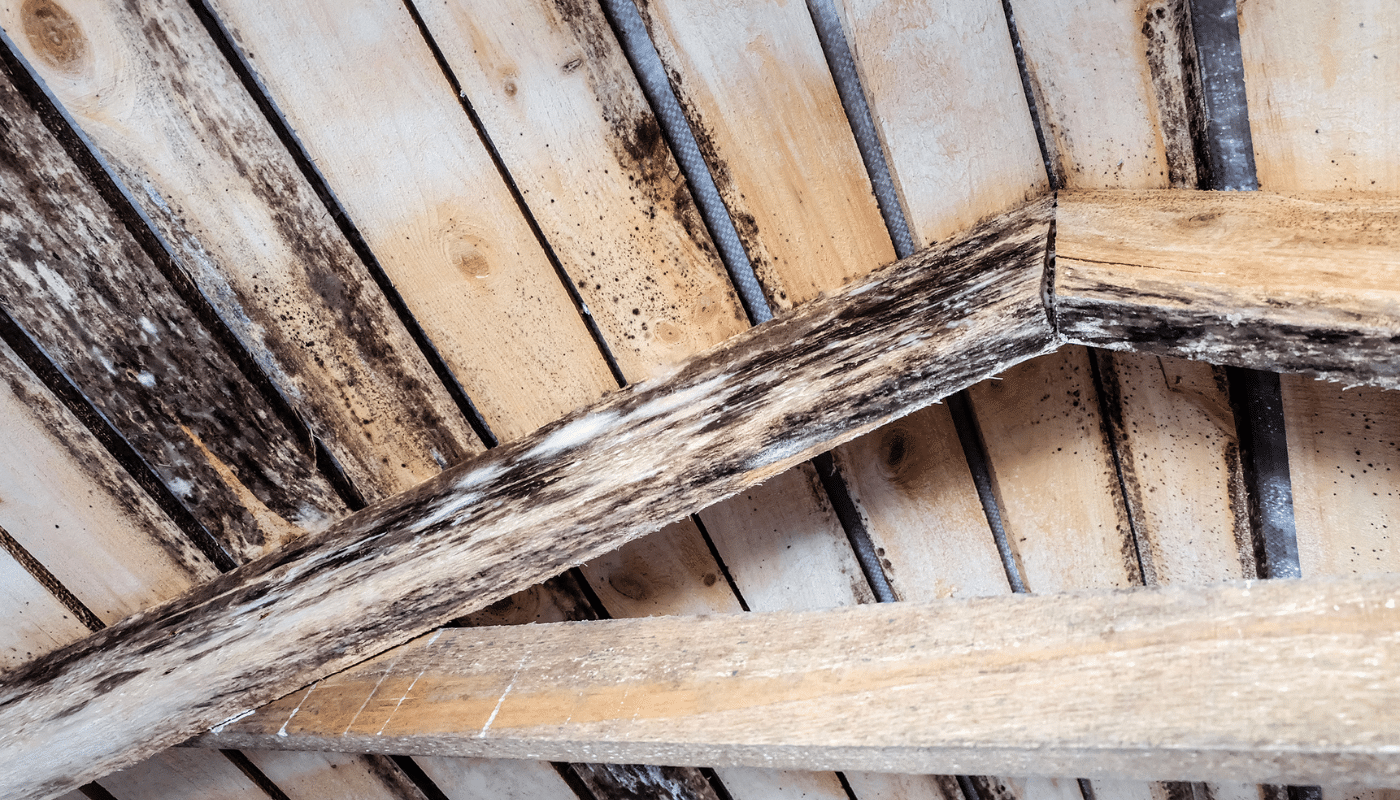
Indoor air quality is something most homeowners rarely think about — until something feels off. Maybe the house smells musty, allergies seem worse indoors, or certain rooms feel damp no matter how often they’re cleaned. In many Merritt Island homes, these issues trace back to a common local problem: mold growth caused by excess moisture.
Living on an island surrounded by waterways like the Banana River, Indian River, and Sykes Creek brings beautiful scenery and coastal breezes, but it also means dealing with constant humidity. When moisture enters homes and doesn’t dry properly, mold can begin to grow and impact indoor air quality over time.
Understanding how mold affects indoor air — and how homeowners can prevent problems — helps property owners maintain comfortable, healthy living spaces in Merritt Island’s coastal environment.
Understanding Mold and Indoor Air Quality
Mold is a natural part of Florida’s environment. Mold spores exist outdoors everywhere and easily enter homes through open doors, windows, clothing, and HVAC systems. Normally, spores remain harmless unless they land on damp materials and begin growing.
Once mold begins growing indoors, it releases tiny spores and microscopic particles into the air. These particles circulate throughout the home, especially when air conditioning systems operate. Over time, indoor air quality can decline if mold growth continues unchecked.
The challenge is that mold often develops in hidden places first, so homeowners may notice air quality changes before they ever see visible mold.
Why Mold Affects Merritt Island Homes So Often
Merritt Island’s coastal climate creates ideal conditions for mold development compared to many inland areas.
Several local factors contribute to indoor moisture buildup:
Persistent coastal humidity
Moist air from surrounding lagoons keeps humidity high throughout the year.
Frequent storms and hurricanes
Heavy rains and wind-driven moisture can seep into roofing or walls.
High water tables
Moisture sometimes rises through slab foundations after prolonged rainfall.
Constant air conditioning use
AC systems remove humidity but also produce condensation, which sometimes leaks or accumulates.
Older construction styles
Some homes lack modern moisture barriers or ventilation systems.
Salt air exposure also slowly degrades building materials, allowing moisture intrusion over time.
Because these conditions persist year-round, moisture control becomes essential to maintaining indoor air quality.
Common Signs Mold Is Affecting Indoor Air
Indoor air quality problems caused by mold often develop gradually. Many homeowners don’t connect symptoms to moisture or mold at first.
Common signs include:
Persistent musty or damp odors
Rooms smelling stale or humid even after cleaning.
Increased indoor allergy discomfort
Sneezing or irritation worse indoors than outdoors.
Certain rooms feeling damp
Closets or spare rooms often feel humid or stale.
Condensation forming on windows or vents
Indicates excess indoor moisture.
Recurring ceiling or wall stains
Suggest hidden moisture problems.
Rooms feeling stuffy despite AC use
Air circulation may be carrying mold particles.
Odors sometimes become stronger after returning home from travel or after storms.
These signs often appear before mold becomes visible.
Hidden Mold Sources That Impact Air Quality
One reason mold affects indoor air so easily is that it commonly grows in hidden areas.
In Merritt Island homes, mold frequently develops:
Behind drywall after plumbing or roof leaks
Under flooring after flooding or spills
Inside attic insulation
Around HVAC air handlers and ducts
Inside closets on exterior walls
Under sinks or behind cabinets
In garages or storage rooms
Behind appliances
Attics are especially vulnerable because hot, humid air becomes trapped without proper ventilation.
Because these areas are rarely inspected, mold sometimes spreads unnoticed while affecting indoor air quality throughout the home.
Why DIY Mold Cleanup Often Doesn’t Fix Air Problems
Homeowners often try to clean visible mold themselves, but indoor air quality may not improve because the real contamination remains hidden.
Common DIY mistakes include:
Cleaning only visible surfaces
Mold inside walls or materials remains.
Using bleach on porous materials
Bleach removes stains but does not eliminate deep growth.
Painting over mold stains
Paint hides discoloration while mold continues growing.
Ignoring humidity or leaks
Moisture remains, allowing mold to return.
Scrubbing mold without containment
Spores spread through air circulation.
DIY cleaning sometimes temporarily improves appearance but does not fully correct air quality problems.
How Professional Mold Inspection Helps
Professional inspections focus on finding both mold and moisture sources affecting air quality.
An inspection often includes:
Detailed visual inspection of suspect areas
Moisture meter readings inside walls and ceilings
Checking attics and crawl spaces
HVAC system inspection
Ventilation evaluation
Air or surface testing when appropriate
Air sampling compares indoor mold levels to outdoor air conditions, helping determine whether contamination is elevated.
Professionals familiar with Merritt Island homes understand common moisture patterns affecting lagoon communities and often identify problems quickly.
Companies like Mold Removal Merritt Island regularly help property owners locate hidden mold affecting indoor air quality.
Proper Mold Remediation Improves Air Quality
Correct mold remediation focuses on both removal and moisture correction.
Typical remediation steps include:
Containment setup
Prevent spores from spreading during removal.
Removal of contaminated materials
Severely affected drywall or insulation may be safely removed.
Professional cleaning and treatment
Remaining surfaces are properly cleaned.
Moisture source correction
Leaks or ventilation issues are repaired.
Final cleaning and filtration
Air is filtered before reconstruction begins.
Once mold and moisture problems are addressed, indoor air quality usually improves noticeably.
Preventing Mold to Protect Indoor Air Quality
Preventing mold growth remains the best way to maintain clean indoor air.
Merritt Island homeowners can reduce risk by:
Keeping indoor humidity below 55%
Maintaining air conditioning systems regularly
Using exhaust fans in kitchens and bathrooms
Repairing leaks immediately
Checking attics for proper ventilation
Inspecting roofs after storms
Keeping gutters and drainage clear
Using dehumidifiers in problem areas
Monitoring homes after heavy rainfall
Routine maintenance prevents many mold-related air quality problems.
Why Local Experience Matters
Mold behavior differs based on climate and construction styles. Professionals familiar with Merritt Island understand local challenges, including:
Lagoon humidity effects
Storm-related moisture intrusion patterns
Slab foundation moisture concerns
Older home ventilation issues
AC condensation problems common in Florida
Local experience allows faster identification of moisture problems and realistic solutions.
A Practical Next Step for Property Owners
Indoor air quality problems don’t always mean major damage, but they often signal excess moisture somewhere in the home.
If musty odors persist, indoor comfort changes, or your home has experienced storm or water damage, a professional evaluation can help clarify what’s happening.
Most Merritt Island property owners simply want reassurance their homes remain comfortable and protected. Experienced local professionals help homeowners understand potential issues and take practical next steps without pressure.
Addressing moisture early is almost always easier than dealing with larger mold problems later.
Image Generation Prompts
• Mold growth on drywall inside a Florida coastal home affecting indoor air quality, natural lighting, clean residential environment, no people, no text or logos
• Attic mold caused by humidity buildup in a coastal Florida home, exposed insulation and framing, realistic residential setting, no people or branding
