
Signs of Mold Growth in Indian River: What Merritt Island Property Owners Should Know
Homes along the Indian River offer some of the most desirable living in Merritt Island. Waterfront breezes, beautiful views, and easy access to boating and outdoor recreation make this area attractive to homeowners and investors alike. But living so close to the water also means dealing with one persistent challenge — moisture.
High humidity, storm activity, and constant air conditioning use create ideal conditions for mold growth in Indian River homes. Many property owners don’t realize mold is present until odors develop or visible stains appear, and by then, mold may already be spreading behind walls or ceilings.
Recognizing the early warning signs of mold growth can help Merritt Island homeowners take action before damage becomes widespread. Understanding what to watch for is especially important in our coastal environment.
Understanding Mold Growth in Coastal Homes
Mold spores are naturally present in Florida’s outdoor air. They enter homes daily through open doors, windows, pets, clothing, and HVAC systems. Mold becomes a problem only when spores find moisture and begin growing on damp materials.
In Indian River homes, moisture can come from:
- Humid coastal air
- Storm-driven rain intrusion
- Plumbing leaks
- Roof leaks
- AC condensation
- Flooding or past water damage
Once moisture remains in drywall, insulation, wood framing, or flooring, mold can begin growing within a couple of days.
Because mold often starts in hidden areas, homeowners frequently miss early signs until the issue spreads.
Why Mold Problems Are Common Near Indian River
Several local conditions increase mold risk for homes along the Indian River.
Humidity remains high year-round because water surrounds Merritt Island on both sides. Even when windows remain closed, moisture can enter homes through ventilation systems and small air gaps.
Frequent storms and heavy rains create opportunities for water intrusion, especially in older homes or those with aging roofing systems.
Many Merritt Island homes also rely heavily on air conditioning. AC systems remove humidity but can create condensation that leaks into walls or ceilings when maintenance problems occur.
Salt air exposure also gradually affects exterior materials, allowing moisture to find its way indoors.
Together, these factors make mold prevention and early detection important for homeowners.
Musty Odors Often Appear First
One of the earliest signs of mold growth is a musty smell.
Many Indian River homeowners first notice odors in:
- Closets
- Guest rooms
- Storage rooms
- Laundry areas
- Garages
- Rooms along exterior walls
If a room smells damp even after cleaning, hidden mold may be present behind surfaces or inside materials.
Odors often become stronger after the home has been closed up for a while, such as after vacations.
Visible Spots or Discoloration
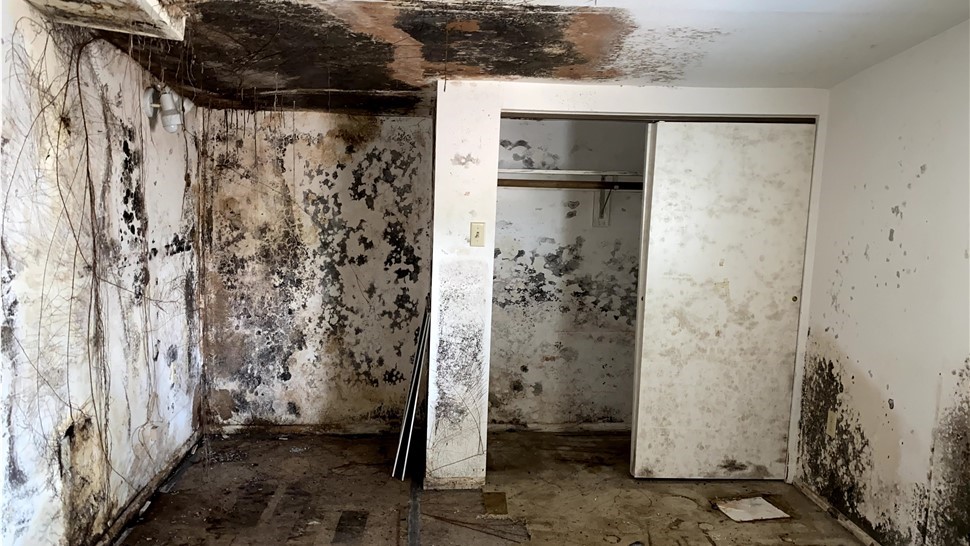
Visible mold growth doesn’t always look dramatic. Early signs may appear as faint staining.
Common appearances include:
- Black or dark speckles
- Green or gray patches
- Yellow or brown ceiling stains
- Bubbling paint
- Peeling drywall
- Discoloration along corners or baseboards
Ceilings beneath attic spaces and walls near bathrooms are frequent problem areas.
Small stains can indicate moisture inside walls or ceilings.
Increased Indoor Humidity or Condensation
Homes experiencing moisture buildup often show humidity-related signs before mold appears.
Homeowners may notice:
- Condensation forming on windows
- Moisture on air vents
- Damp-feeling rooms
- Foggy glass surfaces
- Sweating pipes
- Sticky indoor air
When humidity stays elevated indoors, mold growth becomes much more likely.
Homes near waterfront areas often need additional moisture control compared to inland homes.
Allergy-Like Indoor Discomfort
Another common early indicator involves indoor comfort changes.
Some residents notice:
- Sneezing indoors but not outdoors
- Irritated eyes or throat
- Persistent coughing in certain rooms
- Indoor discomfort improving outside the home
While many factors can influence indoor air quality, hidden mold sometimes contributes to these issues.
If symptoms improve when leaving home, moisture or mold may be involved.
Hidden Areas Mold Often Develops
Mold frequently grows in locations that homeowners rarely inspect.
Common hidden areas include:
- Behind drywall after roof leaks
- Under flooring following spills or flooding
- Inside attic insulation
- Around HVAC equipment or ducts
- Beneath sinks
- Behind cabinets or appliances
- Inside closets on exterior walls
Attics are especially vulnerable because humid air becomes trapped if ventilation is poor.
Homes that have experienced storm damage may also have hidden moisture behind walls.
Why DIY Mold Cleaning Often Forsakes the Root Cause
Many homeowners attempt to clean mold themselves when they see it. Unfortunately, surface cleaning often fails because it does not address moisture problems.
Common DIY mistakes include:
Cleaning only visible mold
Growth inside walls remains untouched.
Using bleach on porous materials
Bleach does not penetrate deeply enough to kill mold roots.
Painting over stains
Paint hides discoloration while mold continues growing.
Ignoring humidity or leaks
Moisture sources allow mold to return.
Scrubbing contaminated areas
Spores may spread to new parts of the home.
DIY cleanup may temporarily improve appearance but rarely solves underlying issues.
How Professional Mold Inspection Helps
Professional mold inspections focus on identifying both visible mold and hidden moisture sources.
Typical inspections include:
- Visual examination of affected areas
- Moisture readings inside walls or ceilings
- Attic and crawl space inspections
- HVAC system evaluation
- Ventilation checks
- Air or surface sampling when appropriate
Testing helps determine whether indoor mold levels exceed normal outdoor conditions.
Professionals familiar with Merritt Island homes understand local moisture patterns and often detect problems quickly.
Companies like Mold Removal Merritt Island regularly work in lagoon communities and recognize common problem areas.
Proper Mold Remediation and Prevention
Effective mold remediation removes contamination and fixes moisture problems.
Remediation often involves:
Containment setup
Prevent spores from spreading during removal.
Removal of damaged materials
Heavily affected drywall or insulation may be removed.
Cleaning and treatment
Remaining surfaces are professionally cleaned.
Moisture correction
Leaks or ventilation problems are addressed.
Final cleaning and verification
Air filtration prepares the space for restoration.
Stopping moisture issues prevents mold from returning.
Preventing Mold Growth in Indian River Homes
Prevention depends on controlling indoor moisture.
Homeowners can reduce mold risk by:
- Keeping indoor humidity below 55%
- Servicing AC systems regularly
- Using exhaust fans in bathrooms and kitchens
- Inspecting roofs after storms
- Repairing plumbing leaks quickly
- Improving attic ventilation
- Keeping gutters clear
- Checking homes after heavy rainfall
- Using dehumidifiers where needed
Routine maintenance often prevents major mold issues.
Why Local Experience Matters
Homes along the Indian River face unique environmental conditions.
Local professionals understand:
- Lagoon humidity patterns
- Storm-driven moisture intrusion
- Slab foundation moisture issues
- Older home ventilation challenges
- AC condensation problems common in Florida
Local knowledge helps identify risks and solutions more efficiently.
A Calm Next Step for Property Owners
Finding signs of mold does not automatically mean major damage. Many problems can be corrected when addressed early.
If your home has persistent odors, recurring stains, or past storm damage, a professional evaluation can clarify whether hidden moisture exists.
Many Merritt Island homeowners simply want peace of mind that their homes remain comfortable and protected. Experienced local professionals, including Mold Removal Merritt Island, help property owners understand their situation and decide on practical next steps without pressure.
Managing moisture early remains the best way to avoid larger mold problems later.
Image Generation Prompts
• Mold growth forming on drywall inside a Florida waterfront home due to humidity, realistic residential interior, natural lighting, no people, no logos or text
• Attic mold caused by trapped humidity in a coastal Florida home, exposed insulation and wood framing, clean realistic environment, no people or branding
