
Mold During Rainy Season in South Merritt Island: What Merritt Island Property Owners Should Know
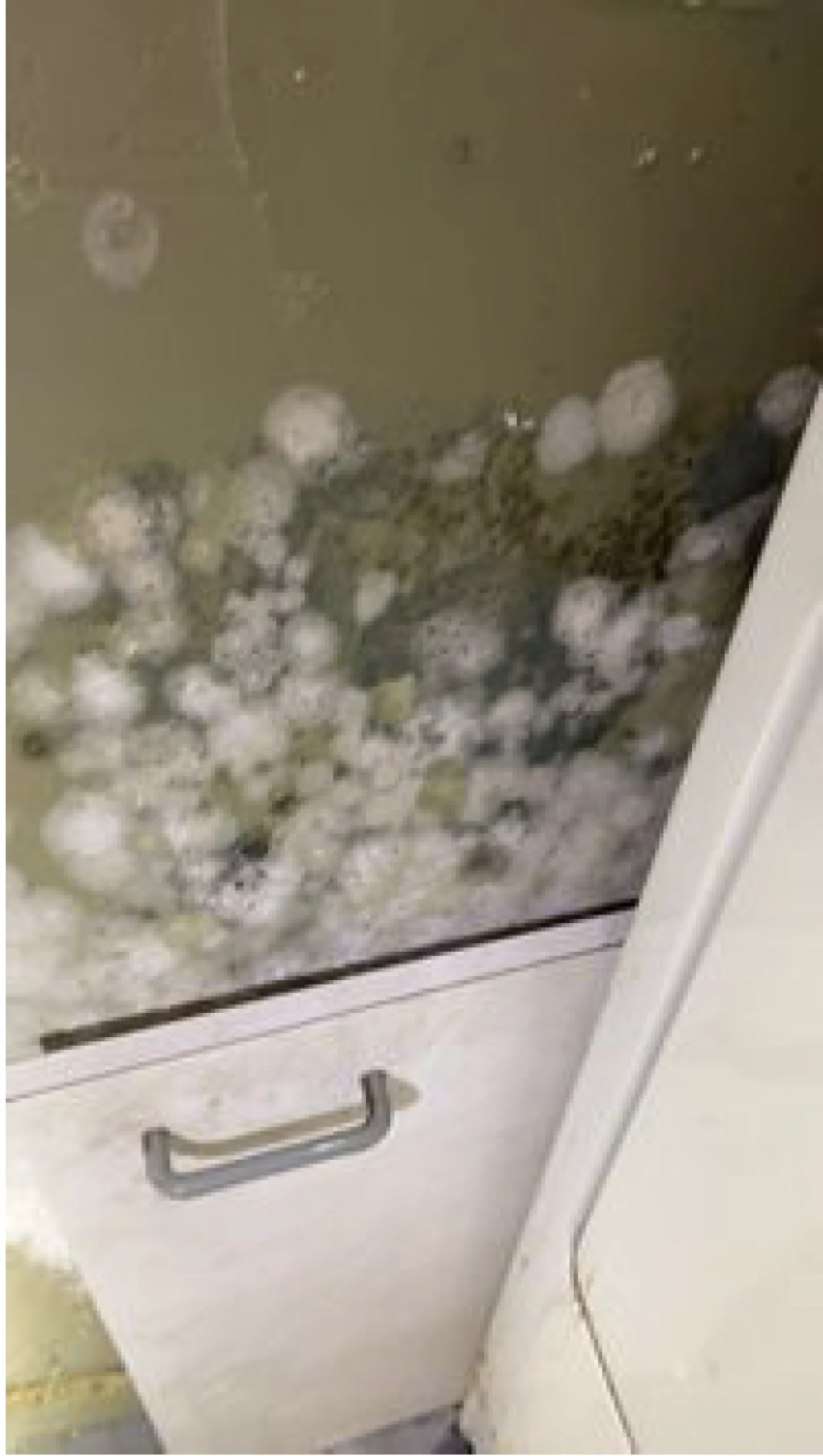
Why Rainy Season Supercharges Mold Growth
Rainy season changes how moisture behaves around and inside your home.
During extended rain:
- Outdoor humidity stays extremely high
- Building materials absorb moisture slowly
- Drying times increase dramatically
- AC systems struggle to keep humidity low
Even when rain never enters the home directly, the constant moisture load raises indoor humidity enough for mold to grow on surfaces that usually stay dry.
Water Doesn’t Have to Pour In to Cause Problems
A lot of homeowners expect mold only after obvious water damage. That’s rarely how it works during rainy season.
Common rainy-season moisture sources include:
- Wind-driven rain entering tiny exterior gaps
- Moisture wicking through slabs and foundations
- Condensation forming on walls and vents
- Attics absorbing humid air through ventilation
In South Merritt Island, rain plus humidity means moisture gets in sideways, upward, and through the air—not just through leaks.
Attics Take the First Hit
Attics feel rainy season stress before living spaces do.
Warm, humid air enters attic spaces and condenses on:
- Roof decking
- Framing
- Insulation
- HVAC ductwork
Because attics aren’t climate-controlled, moisture lingers longer. Mold can grow there quietly for weeks before anyone notices changes below.
Why Closets and Bedrooms Show Mold Next
After attics, mold often shows up in enclosed interior spaces.
Closets and bedrooms:
- Have limited airflow
- Sit against exterior walls
- Trap humid air during rainy months
That’s why musty smells, wall discoloration, or damp-feeling rooms often appear mid-season instead of right after a storm.
AC Systems Work Hard—but Not Always Smart
During rainy season, AC systems run constantly. That helps—but it can also backfire.
Problems arise when:
- Systems short-cycle and don’t dehumidify enough
- Drain lines clog or overflow
- Duct insulation absorbs moisture
- Condensation forms around vents
Cool air doesn’t always mean dry air. And mold only cares about moisture.
Flooring and Walls Absorb More Than You Think
Rainy season moisture doesn’t just sit in the air—it moves into materials.
Watch for:
- Warped baseboards
- Flooring that feels slightly uneven
- Paint bubbling or peeling
- Walls that feel cool and damp
These changes often signal moisture absorption beneath the surface, where mold likes to grow unseen.
Early Warning Signs During Rainy Season
Mold during rainy season often gives subtle clues before becoming visible.
Pay attention to:
- Musty or earthy odors
- Rooms that feel damp despite AC running
- Condensation that doesn’t dry
- New staining on ceilings or walls
- Increased humidity indoors
If these signs appear every rainy season, moisture patterns—not random mold—are driving the problem.
Why Cleaning Doesn’t Solve Rainy-Season Mold
This is where many homeowners get stuck.
Cleaning visible mold helps temporarily, but rainy season conditions don’t change. As long as:
- Humidity stays high
- Moisture remains trapped
- Airflow stays limited
…mold returns. Often in the same places, sometimes in new ones.
How Inspections Help During Rainy Season
A professional inspection focuses on where moisture enters and lingers, not just where mold appears.
Inspections often evaluate:
- Indoor humidity trends
- Attic and roof-related moisture
- AC drainage and airflow
- Wall and flooring moisture
Understanding seasonal moisture patterns helps prevent repeat issues year after year.
Preventing Mold During Rainy Season
Rainy season mold prevention requires consistency, not perfection.
Helpful steps include:
- Keeping indoor humidity below 60%
- Running bathroom and kitchen ventilation
- Checking AC drains regularly
- Inspecting attics mid-season
- Paying attention to new odors quickly
Small actions early in the season prevent bigger problems later.
Why Local Experience Matters in South Merritt Island
Rainy season behaves differently in coastal Florida than inland areas. South Merritt Island homes deal with saturated air, ground moisture, and slower drying times that change how mold develops.
That’s why Mold and Duct Cleaning Experts help Merritt Island property owners identify rainy-season mold risks based on real local patterns—not guesswork.
Final Thoughts
Mold during rainy season isn’t bad luck—it’s moisture doing exactly what Florida allows it to do. In South Merritt Island, rain, humidity, and limited drying time create conditions mold loves, even without leaks or flooding.
If mold appears every rainy season, that’s a pattern worth paying attention to. Control moisture early, watch enclosed spaces closely, and rainy season becomes far less stressful—for both you and your home.
