
Mold During Florida Summers in Sykes Creek: What Merritt Island Property Owners Should Know
Why Florida Summers Trigger Mold So Easily
Summer flips multiple switches at once—and mold benefits from all of them.
During Florida summers:
- Humidity stays high day and night
- Materials dry much more slowly
- AC systems run constantly
- Warm outdoor air keeps pushing moisture indoors
Even if rain stays light, the air itself carries enough moisture to keep surfaces slightly damp. Mold doesn’t need standing water. It just needs things that never fully dry.
Sykes Creek’s Coastal Conditions Make It Worse
Living near Sykes Creek adds extra moisture pressure.
Coastal and near-water homes deal with:
- Higher baseline humidity
- Slower evaporation rates
- Moist air entering through tiny gaps
- Ground moisture moving upward through slabs
That’s why summer mold issues here often feel predictable. Same rooms. Same smells. Same time of year.
Attics Are Summer Mold Ground Zero
Attics take the hardest hit during summer.
Hot, humid air enters attic spaces and condenses on:
- Roof decking
- Framing
- Insulation
- HVAC ductwork
Because attics aren’t cooled, moisture lingers longer. Mold can grow quietly above living spaces for weeks before anything shows up inside the home.
AC Systems Help—and Hurt—at the Same Time
Air conditioning is essential in summer, but it isn’t foolproof.
Summer mold often links to:
- Condensation around coils and drain pans
- Clogged condensate drain lines
- Oversized systems that cool too fast
- Ductwork sweating in hot spaces
The house may feel cool, but humidity can still stay high. Cool air doesn’t always mean dry air—and mold only cares about moisture.
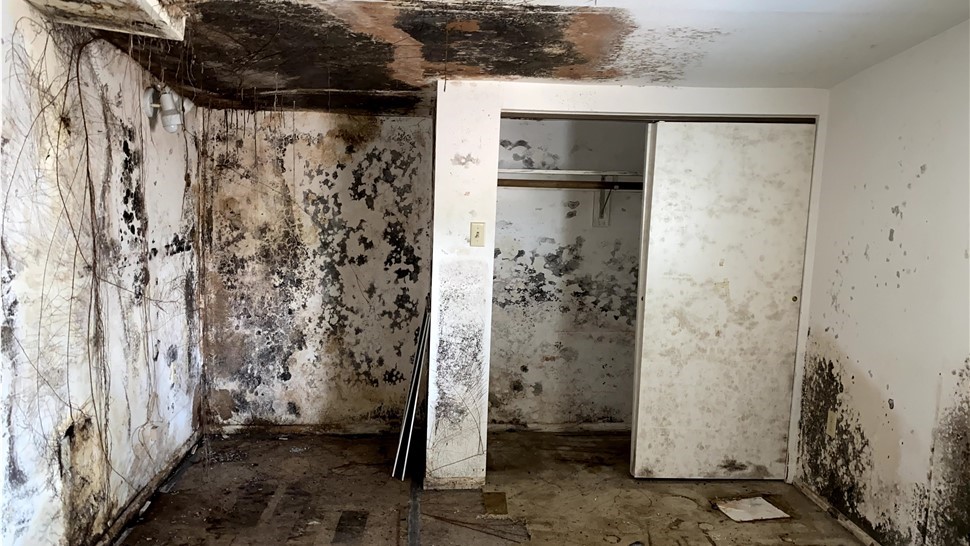
Closets, Bedrooms, and Interior Rooms Show Mold First
After attics and HVAC areas, summer mold usually appears in enclosed rooms.
These spaces:
- Get limited airflow
- Stay closed most of the day
- Sit against exterior walls
- Trap humidity easily
That’s why musty smells often show up in closets or bedrooms before anywhere else during summer months.
Flooring and Walls Absorb Summer Moisture
Summer humidity doesn’t just float around—it sinks into materials.
Watch for:
- Baseboards swelling or warping
- Flooring that feels uneven
- Paint bubbling or peeling
- Walls that feel cool and damp
These changes usually signal moisture absorption beneath the surface, where mold grows unseen.
Early Summer Mold Warning Signs
Summer mold rarely appears overnight. It builds quietly.
Pay attention to:
- Musty or earthy odors
- Rooms that feel damp despite AC running
- Condensation that doesn’t dry
- Odors that worsen in the evening
- Mold returning in the same spots each summer
Recurring seasonal mold almost always points to ongoing moisture patterns.
Why Cleaning Doesn’t Solve Summer Mold
This is where many homeowners get stuck.
Cleaning visible mold helps for a bit, but summer conditions don’t change. As long as:
- Humidity stays elevated
- Airflow remains limited
- Moisture keeps entering the home
…mold comes back. Sometimes faster than before.
How Inspections Help With Summer Mold
A proper inspection focuses on where summer moisture builds up, not just where mold appears.
Inspections often evaluate:
- Indoor humidity trends
- Attic and duct moisture
- AC drainage and airflow
- Wall and flooring moisture
Understanding these patterns helps stop mold from repeating every summer.
Preventing Mold During Florida Summers
Summer mold prevention is about consistency.
Helpful habits include:
- Keeping indoor humidity below 60%
- Running bathroom fans regularly
- Checking AC drain lines monthly
- Allowing airflow in closets and bedrooms
- Watching for odors early in the season
Small adjustments early make summer far more manageable.
Why Local Experience Matters in Sykes Creek
Summer mold behaves differently in coastal Florida than in drier climates. Sykes Creek homes face humidity, heat, and slow drying that change how moisture moves through a house.
That’s why Mold and Duct Cleaning Experts help Merritt Island property owners address summer mold based on real local conditions—not generic advice.
Final Thoughts
Mold during Florida summers isn’t bad luck. It’s moisture doing what summer allows it to do. In Sykes Creek, heat and humidity team up every year, and mold follows predictable paths.
If mold appears every summer, that’s your home telling you where moisture likes to linger. Address those spots early, manage humidity consistently, and summer becomes a lot less mold-friendly—for both you and your house.
