
Mold After Plumbing Leaks in Banana River: What Merritt Island Property Owners Should Know
Why Plumbing Leaks Lead to Mold So Easily
Plumbing leaks deliver moisture directly into enclosed spaces—exactly where mold prefers to grow.
When a leak occurs, water can reach:
- Wall cavities and insulation
- Cabinet bases and subfloors
- Ceilings below bathrooms or kitchens
- Framing around pipes and fittings
These areas stay dark, warm, and poorly ventilated. Add Florida humidity, and mold can start growing within 24–48 hours. Even small leaks can create big problems when no one notices them right away.
The “We Fixed the Leak” Trap
This is the most common misunderstanding I see.
Fixing the plumbing stops new water from entering, but it doesn’t remove moisture that already soaked into materials. Drywall, wood, insulation, and subfloors don’t dry instantly—especially in Banana River’s humid environment.
That’s why mold often appears after the repair, not before. The leak ends, the moisture remains, and mold takes advantage.
Common Mold Locations After Plumbing Leaks
Mold doesn’t always show up where the leak was obvious.
Under Sinks and Cabinets
Slow drips and condensation soak cabinet materials. Particle board absorbs moisture fast and holds it for a long time, making it a prime mold target.
Behind Walls
Supply lines and drain pipes run through walls. A small leak can keep drywall damp from the inside out, with no visible surface damage at first.
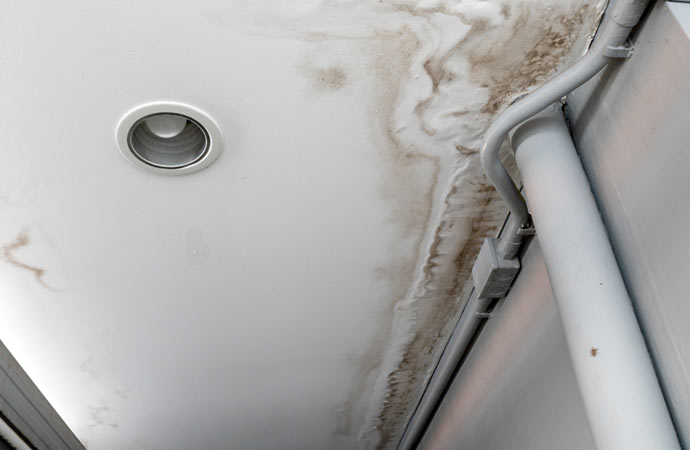
Ceilings Below Bathrooms or Kitchens
Leaks from tubs, toilets, or washing machines often affect ceilings below. Mold typically grows on the backside of drywall before any stain appears.
Flooring and Subfloors
Appliance leaks and plumbing failures can trap moisture beneath flooring. Odors often show up before warping or staining.
Early Signs Mold May Be Developing
Mold after plumbing leaks doesn’t always announce itself loudly. It leaves subtle clues first.
Watch for:
- Musty or earthy odors, especially in cabinets or nearby rooms
- Cabinet bottoms that feel soft or swollen
- Discoloration around pipe openings
- Peeling paint or bubbling drywall
- Rooms that feel damp long after the leak was repaired
If something smells off, trust that instinct. Odors usually show up before visible mold.
Why Mold Keeps Growing After Everything “Looks Dry”
Surface dryness doesn’t tell the whole story.
Materials can feel dry on the outside while staying damp internally. In Banana River homes, high humidity slows evaporation, especially inside walls and under floors. That trapped moisture keeps feeding mold even weeks after the leak stops.
Out of sight doesn’t mean dry—and mold knows it.
How Plumbing Leaks Affect Indoor Air Quality
Mold from plumbing leaks doesn’t always stay localized.
If mold grows:
- Behind walls near return vents
- Under sinks connected to shared airspaces
- Near HVAC pathways
…particles and odors can move through the home. That’s why musty smells sometimes spread far beyond the original leak area.
Why DIY Cleanup Often Misses Plumbing-Leak Mold
DIY cleanup usually targets what’s visible.
That approach falls short because:
- Mold often grows behind drywall or cabinets
- Wet insulation remains untouched
- Subfloor moisture goes unnoticed
- Cleaning doesn’t remove trapped water
Painting over stains or spraying cleaners might improve appearance, but it doesn’t solve hidden moisture problems.
How Professional Inspections Find Leak-Related Mold
A proper inspection follows moisture—not just mold spots.
Inspections often include:
- Moisture readings in walls, floors, and cabinets
- Evaluation of plumbing paths
- Checks for hidden water damage
- Assessment of nearby ventilation and airflow
This helps determine how far moisture traveled and whether mold growth is isolated or more widespread.
Mold Testing After Plumbing Leaks
Testing can help in certain situations, especially when:
- Odors persist without visible mold
- Multiple rooms feel affected
- Documentation matters for insurance or property decisions
Testing supports clarity, but removing moisture and affected materials stops the problem.
Preventing Mold After Plumbing Leaks in Banana River Homes
The best prevention starts immediately after a leak.
Smart steps include:
- Drying affected areas thoroughly
- Removing wet materials when needed
- Checking behind cabinets and walls
- Monitoring for odors over the next few weeks
- Keeping indoor humidity under control
Quick action makes a huge difference.
Why Local Experience Matters Near the Banana River
Plumbing leaks behave differently in coastal Florida than in drier climates. Humidity, building styles, and airflow patterns all affect how moisture spreads and dries.
That’s why Mold and Duct Cleaning Experts help Merritt Island property owners assess plumbing-leak mold accurately—based on Banana River conditions, not assumptions.
Final Thoughts
Plumbing leaks don’t need to be dramatic to cause mold in Banana River homes. Even small, short-lived leaks can leave behind enough moisture to support hidden growth long after repairs are done.
