
Mold During Home Sales in Merritt Island: What Merritt Island Property Owners Should Know
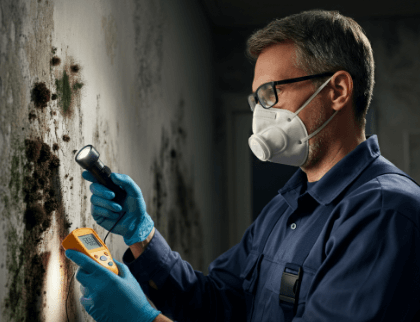
Why Mold Becomes a Big Issue During Home Sales
Mold represents risk to buyers, lenders, and insurers.
During a sale, mold raises concerns about:
- Hidden water damage
- Ongoing moisture problems
- Health and air quality
- Future repair costs
Even small signs—like a musty odor or staining—can trigger deeper inspections and negotiations.
How Mold Is Usually Discovered During a Sale
Most mold issues surface in predictable ways.
1. Home Inspections
General home inspectors don’t diagnose mold—but they flag conditions that suggest it:
- Musty smells
- Water stains
- Bubbling paint
- Warped baseboards
- High indoor humidity
Once flagged, buyers often request a dedicated mold inspection.
2. Buyer Walkthroughs
Buyers notice:
- Odors in closets or garages
- Damp-feeling rooms
- Recently painted patches that don’t match
If something feels “off,” buyers assume mold—even before testing confirms it.
3. Appraisal and Lender Reviews
Some lenders and appraisers require:
- Mold evaluation
- Proof of remediation
- Clearance documentation
Without it, financing delays—or denials—can happen.
Common Sale-Killing Mold Mistakes Sellers Make
Painting Over Mold
Fresh paint doesn’t hide moisture. Inspectors see bubbling, bleeding, or mismatched textures immediately—and trust drops fast.
Using DIY Cleanup With No Proof
Even if mold was minor, buyers want documentation. “I cleaned it myself” rarely satisfies inspectors or lenders.
Waiting Until After the Inspection
Once mold is discovered by a buyer, you lose leverage. Preemptive action gives sellers control over cost, timeline, and scope.
Failing to Disclose Known Issues
Florida law requires disclosure of known material defects. Undisclosed mold or moisture problems can lead to post-sale disputes and legal exposure.
The Difference Between a Deal Breaker and a Solvable Issue
Mold itself isn’t always the problem—uncertainty is.
Deal-breaker scenarios:
- Ongoing musty odors
- Recurring mold history
- No records of repairs
- Active moisture problems
Manageable scenarios:
- One-time issue
- Moisture source fixed
- Professional remediation completed
- Clearance testing passed
- Documentation available
Buyers don’t expect perfection. They expect proof.
Should Sellers Test for Mold Before Listing?
In many Merritt Island homes, yes.
Pre-listing mold inspections make sense when:
- The home has a history of leaks or storms
- Musty odors are present
- Closets, garages, or AC areas feel damp
- You want to avoid buyer-driven testing surprises
Finding and fixing issues before listing is usually cheaper—and far less stressful.
Mold Remediation and Timing the Sale
If mold is found:
- Address it immediately
- Allow proper drying time
- Consider post-remediation clearance testing
Trying to rush a sale before remediation is complete often backfires. Buyers and lenders prefer delays over uncertainty.
How Documentation Protects Your Sale Price
Strong documentation can:
- Prevent price reductions
- Reduce buyer demands
- Satisfy lenders and insurers
- Speed up closing
Helpful records include:
- Inspection reports
- Moisture readings
- Remediation scope and photos
- Clearance or post-remediation test results
Think of it like a roof repair—proof matters.
How Buyers Typically React to Properly Handled Mold
When mold is addressed correctly, buyers often:
- Accept remediation as a resolved repair
- Feel reassured by transparency
- Move forward without major concessions
Poorly handled mold, on the other hand, creates fear—and fear kills deals.
Selling “As-Is” Doesn’t Eliminate Mold Issues
“As-is” does not mean “undisclosed.”
Even as-is sales:
- Require disclosure of known defects
- Can trigger lender or insurer requirements
- Still fall apart if mold suggests risk
Transparency remains the best strategy.
Steps Sellers Should Take Right Now
If you’re planning to sell in Merritt Island:
- Investigate any musty odors early
- Fix moisture problems—not just stains
- Use professional remediation when needed
- Keep all documentation organized
- Consider clearance testing for peace of mind
These steps protect both value and timeline.
Final Takeaways for Merritt Island Property Owners
Mold during a home sale doesn’t have to derail the deal—but ignoring it often does.
Key points to remember:
- Mold raises red flags for buyers and lenders
- Discovery timing affects negotiation power
- Documentation turns problems into resolved repairs
- Preemptive action protects your sale price
- Transparency builds buyer confidence
