
Mold in Slab Homes in South Merritt Island: What Merritt Island Property Owners Should Know
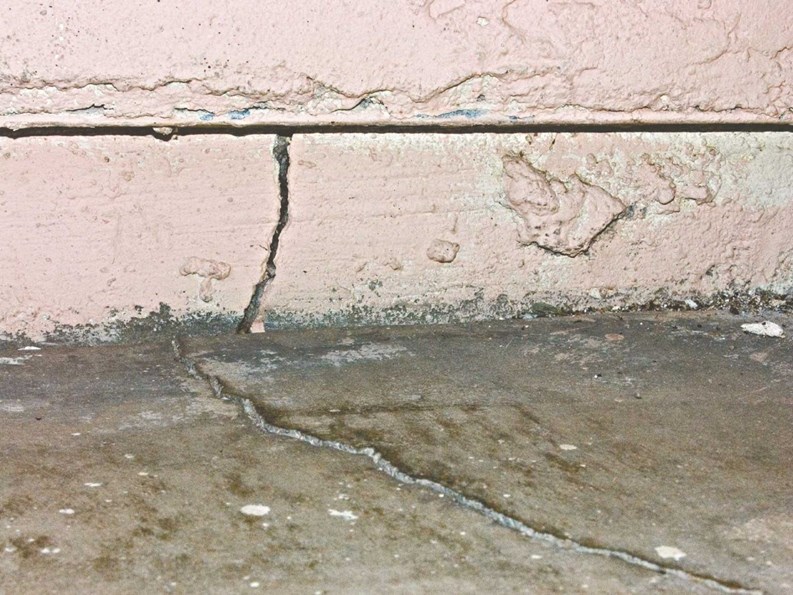
Slab homes are extremely common in South Merritt Island, and they make a lot of sense for coastal Florida. They’re sturdy, cost-effective, and well suited to warm climates. But slab construction also creates unique mold risks that many property owners don’t fully understand until problems start appearing — often in the form of musty odors, recurring mold, or flooring issues that won’t stay fixed.
In a coastal area influenced by nearby waterways, high water tables, frequent storms, and year-round humidity, slab homes behave very differently than homes with crawl spaces or basements. Understanding how moisture moves through slabs, why mold forms, and where it hides is critical for preventing long-term mold problems in South Merritt Island homes.
Why Slab Homes Are More Vulnerable to Mold in South Merritt Island
Slab foundations sit directly on or near the ground, which means they are constantly interacting with moisture below the home.
Several local factors increase mold risk:
- Persistent coastal humidity
- Proximity to rivers, lagoons, and wetlands
- High water tables that stay active year-round
- Heavy rainfall and storm events
- Concrete slabs that absorb and release moisture slowly
- Constant AC use cooling indoor surfaces
Even when there’s no visible water intrusion, moisture can move upward through the slab and into the home.
How Moisture Moves Through Slab Foundations
Concrete may look solid, but it’s actually porous.
In slab homes:
- Ground moisture sits beneath the slab
- Moisture vapor migrates upward through the concrete
- Flooring materials trap that moisture
- Lower walls and baseboards absorb humidity
- Airflow near the slab remains limited
- Mold begins growing out of sight
This process happens slowly and quietly — which is why slab-related mold problems are often discovered late.
Common Mold Locations in Slab Homes
Mold in slab homes rarely appears in just one obvious place.
Under flooring
Tile, vinyl, laminate, and engineered wood trap moisture against the slab, creating ideal mold conditions.
Lower walls and baseboards
Moisture vapor affects drywall and framing near the floor line.
Behind cabinets and vanities
Cabinets installed directly on slabs restrict airflow and trap moisture.
Bathrooms and kitchens
Plumbing lines and daily moisture use compound slab moisture issues.
HVAC systems
Elevated indoor humidity from slab moisture increases condensation inside air handlers and ducts.
Flooring Choices and Slab Mold Risk
Some flooring materials hide slab moisture better than others — which can actually make mold worse.
- Tile: Grout allows moisture to pass through and become trapped underneath
- Vinyl / LVP: Waterproof on top, sealing moisture beneath
- Laminate: Swells and warps once moisture builds up
- Engineered wood: Absorbs moisture and hides mold until damage appears
- Carpet: Padding absorbs moisture and dries slowly
In South Merritt Island slab homes, mold under flooring is one of the most common remediation findings.
Why Mold in Slab Homes Is Often Misdiagnosed
Many property owners assume mold must come from leaks or flooding.
In slab homes:
- There may be no active leak
- Surfaces may feel dry
- Mold keeps returning after cleaning
- Flooring repairs fail repeatedly
- Odors come and go with humidity changes
Without understanding slab moisture behavior, the real source of the problem is missed.
Early Warning Signs of Slab-Related Mold
Slab mold usually gives subtle warnings first.
- Musty odors with no visible source
- Floors that feel cool or damp
- Persistent humidity indoors
- Flooring that buckles or separates
- Baseboards discoloring or softening
- Mold recurring in the same areas
- Odors that worsen after rain or high humidity
These signs almost always indicate moisture coming from below, not surface mold.
Why DIY Mold Cleanup Doesn’t Work in Slab Homes
Slab-related mold problems cannot be solved with surface cleaning.
DIY efforts fail because:
- Bleach doesn’t penetrate concrete, drywall, or flooring systems
- Mold remains sealed beneath materials
- Moisture vapor continues rising through the slab
- Cleaning spreads spores into the air
- Mold returns quickly
In South Merritt Island slab homes, DIY cleanup often makes the problem more expensive later.
Mold Cleanup vs. Mold Remediation in Slab Homes
This distinction is especially important for slab construction.
Mold cleanup
- Surface-level treatment
- Temporary improvement
- No moisture correction
- Mold returns
Mold remediation
- Identifies slab moisture issues
- Uses containment to prevent spread
- Removes affected flooring or drywall when needed
- Dries and treats slab surfaces properly
- Addresses HVAC and humidity balance
- Focuses on long-term prevention
Slab homes almost always require true remediation, not cosmetic cleanup.
How Professionals Identify Slab-Related Mold
Professional mold inspections focus on moisture movement, not just visible growth.
They often include:
- Moisture readings through flooring and slabs
- Evaluation of slab vapor migration
- HVAC humidity and condensation assessment
- Inspection of lower walls and baseboards
- Plumbing and intrusion checks
- Review of past water events and storm exposure
Mold Removal Merritt Island frequently finds slab-related mold caused by ground moisture and condensation, not obvious leaks.
Why Mold Keeps Coming Back in Slab Homes
Recurring mold almost always means the slab moisture problem wasn’t addressed.
Common causes include:
- Flooring reinstalled before full drying
- Slab moisture not mitigated
- AC systems not dehumidifying properly
- Indoor humidity staying too high
- Storm moisture reactivating the slab
Each humid season or heavy rain event restarts the cycle.
Slab Homes, HVAC Systems, and Mold
Slab moisture affects more than floors.
- Elevated indoor humidity increases HVAC condensation
- Mold develops inside air handlers and ducts
- Odors circulate throughout the home
- Cooling efficiency drops
This is why slab mold problems often appear as whole-home issues, not isolated spots.
Preventing Mold in South Merritt Island Slab Homes
Prevention focuses on managing moisture from the ground up.
- Maintain consistent indoor temperatures
- Avoid shutting AC off for long periods
- Monitor indoor humidity levels
- Address plumbing leaks immediately
- Inspect flooring and baseboards after storms
- Allow proper drying before reinstalling flooring
- Schedule inspections when odors persist
Consistency matters far more than occasional fixes.
Why Local South Merritt Island Experience Matters
Slab-related mold behaves differently in coastal environments. Local experience matters because professionals understand:
- High water table behavior in South Merritt Island
- Coastal humidity cycles
- Storm-driven moisture intrusion
- Slab construction common in the area
- Flooring failures typical of local homes
Mold Removal Merritt Island applies this local knowledge to identify slab moisture issues accurately and prevent repeat mold problems.
A Practical Takeaway for Property Owners
Mold in slab homes in South Merritt Island isn’t a fluke — it’s a predictable result of moisture, concrete, and limited airflow in a coastal climate. The biggest mistake property owners make is treating mold as a surface issue instead of a foundation-level moisture problem.
For Merritt Island property owners, early inspection, proper remediation, and consistent humidity and moisture management are the most effective ways to stop slab-related mold, protect indoor comfort, and preserve long-term property value in an environment where moisture is always present.
