
Mold Health Effects in Sykes Creek: What Merritt Island Property Owners Should Know
Living near Sykes Creek means living with water, humidity, and a climate that never fully dries out. While many Merritt Island property owners think of mold as a property damage issue, it often first shows up as a comfort and health concern — especially when mold is hidden inside walls, HVAC systems, or under flooring.
Understanding the health effects associated with mold exposure, why those effects are more common in Sykes Creek homes, and when mold becomes a concern helps property owners take the right steps without panic or misinformation.
Why Mold Exposure Is More Common in Sykes Creek Homes
Homes near Sykes Creek face unique environmental conditions that allow mold to persist longer than in inland areas.
- Constant coastal humidity
- Proximity to waterways and wetlands
- High water tables affecting slab foundations
- Frequent storms and heavy rain
- Year-round air conditioning use
- Condensation inside HVAC systems
These factors don’t just allow mold to grow — they allow it to remain active for long periods, increasing the chance of ongoing exposure.
How Mold Exposure Typically Happens Indoors
In most cases, people aren’t exposed because they touch mold. Exposure usually occurs through air movement.
- Mold releases microscopic spores
- HVAC systems circulate air through the home
- Spores become airborne and spread
- Exposure happens repeatedly over time
When mold is hidden, people may be exposed daily without realizing it.
Common Health-Related Symptoms Linked to Mold Exposure
Mold affects people differently, but many Sykes Creek homeowners report similar patterns.
Respiratory and comfort-related symptoms
- Nasal congestion or irritation
- Sneezing or coughing indoors
- Throat irritation
- Worsening of existing respiratory sensitivities
General comfort symptoms
- Headaches that improve when leaving the home
- Fatigue or feeling “run down” indoors
- Eye irritation or dryness
- Persistent musty odors triggering discomfort
These symptoms often fluctuate and may worsen after rain, high humidity, or extended time indoors.
Why Symptoms Often Come and Go
One of the most confusing aspects of mold-related health effects is inconsistency.
- Humidity levels change daily
- HVAC systems cycle differently
- Mold activity increases with moisture
- Spores become more airborne at certain times
This is why people often feel better when leaving the home — and worse after returning.
Hidden Mold and Health Concerns
Hidden mold poses a higher exposure risk than visible mold because it often goes untreated longer.
Common hidden mold locations include:
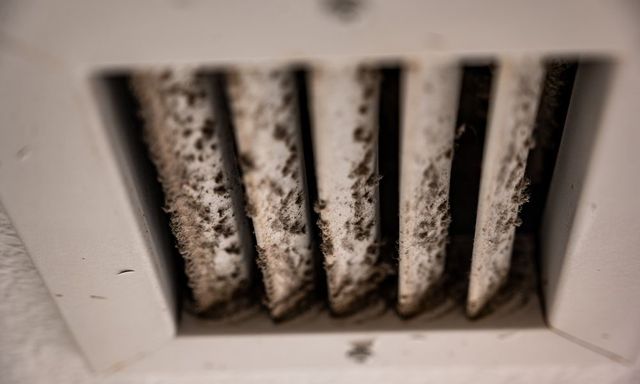
- Inside HVAC air handlers and ductwork
- Behind drywall near exterior walls
- Under flooring on slab foundations
- In attics with poor ventilation
- Above ceilings or behind cabinets
Because these areas are connected to airflow, spores can spread throughout the home.
Why Mold Health Effects Are Often Misattributed
In Sykes Creek homes, mold-related symptoms are frequently mistaken for:
- Seasonal allergies
- Poor indoor air circulation
- Dust or cleaning product sensitivity
- Normal humidity discomfort
Because mold is often hidden, the environmental cause is overlooked until inspections reveal moisture and growth.
When Mold Becomes a Health Concern for Homes
Not all mold growth causes noticeable symptoms, but health concerns are more likely when:
- Mold is widespread or hidden
- HVAC systems are involved
- Moisture has been present long-term
- Odors are persistent
- Symptoms improve outside the home
These situations warrant professional evaluation.
Why DIY Mold Cleanup Doesn’t Resolve Health Concerns
Cleaning visible mold doesn’t usually stop exposure.
- Hidden mold remains active
- Spores continue circulating
- Moisture sources remain
- Mold regrows after cleaning
In many Sykes Creek homes, symptoms persist until proper remediation addresses the root cause.
The Role of Mold Inspections in Health-Related Concerns
Professional mold inspections focus on moisture behavior and exposure pathways, not just visible spots.
Inspections often include:
- Moisture readings in walls and floors
- HVAC system evaluation
- Attic and ceiling inspections
- Identification of airflow-related risks
This helps determine whether mold is likely affecting indoor conditions.
Mold Removal Merritt Island frequently finds that health-related complaints trace back to hidden moisture and HVAC-related mold, not obvious surface growth.
Mold Testing and Health Concerns
Mold testing may be useful when:
- Symptoms persist without visible mold
- HVAC involvement is suspected
- Verification is needed after remediation
Testing is most effective when paired with a professional inspection that explains the results in local context.
Why Moisture Control Matters for Indoor Comfort
Reducing mold exposure starts with controlling moisture.
- Consistent indoor temperatures
- Avoiding extreme AC setbacks
- Proper HVAC drainage and maintenance
- Ventilation in bathrooms and laundry areas
- Monitoring indoor humidity levels
- Addressing small leaks quickly
These steps reduce mold activity and improve indoor comfort.
Why Local Sykes Creek Experience Matters
Health-related mold concerns must be evaluated locally. Experience matters because professionals understand:
- Humidity behavior near Sykes Creek
- High water table effects on slab homes
- Storm-driven moisture patterns
- HVAC condensation common in Merritt Island homes
- Seasonal exposure trends
Mold Removal Merritt Island applies this local knowledge to identify mold conditions that may affect indoor comfort and health.
A Practical Takeaway for Property Owners
Mold health effects in Sykes Creek homes aren’t about alarm — they’re about environmental awareness. When mold is hidden and moisture is ongoing, exposure can become part of daily life without obvious warning signs.
For Merritt Island property owners, professional inspection, proper remediation when needed, and consistent moisture management are the most effective ways to improve indoor comfort and reduce mold-related concerns in a coastal environment where humidity never truly goes away.
