
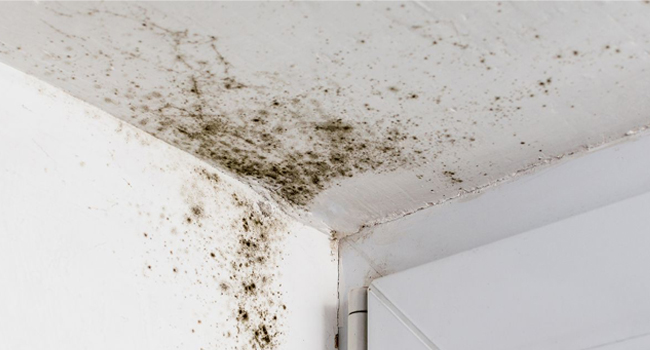
Mold in Healthcare Facilities in Sykes Creek: What Merritt Island Property Owners Should Know
Healthcare facilities in Sykes Creek operate under a very different set of expectations than homes, offices, or even other commercial buildings. Clinics, medical offices, therapy centers, dental practices, and outpatient facilities must maintain stable indoor conditions, consistent airflow, and reliable moisture control every day. In a coastal environment like Merritt Island — where humidity, waterways, storms, and high water tables are part of daily life — mold risks in healthcare buildings require special attention.
For property owners and facility managers, mold in a healthcare setting isn’t just a building concern. It affects operations, scheduling, reputation, and long-term asset protection. Understanding why mold develops in healthcare facilities, where it tends to hide, and how it should be handled helps prevent disruptions and protects the integrity of the space.
Why Healthcare Facilities in Sykes Creek Face Elevated Mold Risk
Sykes Creek properties are already exposed to moisture from nearby waterways and wetlands. Healthcare facilities add several additional risk factors.
- Constant HVAC operation with strict temperature control
- High interior moisture loads from sinks, sanitation, and cleaning processes
- After-hours setbacks that allow humidity to rise overnight
- Large slab foundations affected by high water tables
- Storm-driven rain impacting roofs, exterior walls, and penetrations
- Salt air exposure degrading seals and flashing over time
Even well-managed healthcare buildings can develop mold if moisture control slips slightly.
How Mold Typically Develops in Healthcare Buildings
Mold in healthcare facilities rarely starts in patient-facing areas. It usually begins behind the scenes, where moisture goes unnoticed.
HVAC systems
Air handlers, coils, drain pans, and ductwork produce condensation continuously. If drainage or airflow is disrupted, mold can develop and spread through multiple rooms.
Ceiling and plenum spaces
Roof leaks, condensation from rooftop units, or humid air trapped above drop ceilings often lead to hidden growth.
Lower walls and slab-level areas
High water tables in Sykes Creek allow moisture vapor to move upward through concrete slabs, affecting drywall and baseboards.
Restrooms and clinical wash areas
Frequent water use combined with short drying cycles increases risk.
Storage and supply rooms
Limited airflow, stored materials, and infrequent access allow moisture to linger.
Why Mold in Healthcare Facilities Often Goes Undetected
Healthcare buildings are busy, controlled environments, which can mask early warning signs.
- Odors are often attributed to cleaning products
- Mold grows above ceilings or behind walls
- HVAC-related issues are mistaken for system balance problems
- Visual signs are hidden by equipment or fixtures
By the time mold is visible, it often reflects longer-term moisture exposure, not a recent event.
Early Warning Signs Property Owners Should Not Ignore
Even subtle signs matter in healthcare settings.
- Persistent musty or damp odors
- Condensation near vents or diffusers
- Ceiling tile staining or sagging
- Peeling paint or bubbling drywall near floors
- Recurrent moisture issues after storms
- Mold reappearing in the same areas
These signals usually point to hidden moisture rather than surface contamination.
Why Mold in Healthcare Facilities Is a Bigger Operational Issue
Mold affects healthcare spaces differently than other commercial properties.
- Appointment schedules may be disrupted
- Rooms may need temporary closure
- Staff may raise indoor environment concerns
- Patient confidence can be impacted
- Repairs often require careful scheduling
Early detection helps avoid emergency responses that disrupt care delivery.
Why DIY or Surface Cleanup Is Not Appropriate
Healthcare facilities require controlled, professional handling of mold issues.
- Surface cleaning does not address hidden growth
- HVAC contamination can spread spores facility-wide
- Moisture sources remain active
- Mold often returns, sometimes more extensively
Incomplete solutions typically lead to larger remediation projects later — with greater operational impact.
The Role of Professional Mold Inspections in Healthcare Settings
Professional inspections focus on systems, moisture behavior, and patterns, not just visible mold.
Healthcare facility inspections typically include:
- Moisture readings at slab and wall levels
- HVAC and ductwork evaluation
- Ceiling and plenum inspections
- Roof and exterior wall assessments
- Review of operating schedules affecting humidity
Mold Removal Merritt Island frequently finds that healthcare mold issues are tied to HVAC condensation, slab moisture, and storm-related intrusion, not isolated spills or cleaning issues.
Mold Cleanup vs. Mold Remediation in Healthcare Facilities
The distinction is critical.
Cleanup
- Cosmetic only
- Treats visible mold
- No containment
- No moisture correction
- High risk of recurrence
Remediation
- Addresses visible and hidden mold
- Uses containment and HEPA filtration
- Corrects moisture sources
- Designed for long-term control
Healthcare facilities in Sykes Creek almost always require full remediation, not surface cleanup.
Containment and Scheduling in Active Healthcare Buildings
Professional remediation is designed to minimize disruption.
- Containment barriers isolate affected areas
- Negative air pressure prevents spore spread
- Work scheduled after hours or in phases
- Clear communication keeps operations organized
This controlled approach allows facilities to continue functioning whenever possible.
Preventing Mold in Sykes Creek Healthcare Facilities
Long-term prevention focuses on consistency and system management.
- Regular HVAC inspections and drain maintenance
- Monitoring indoor humidity levels
- Prompt roof, window, and plumbing repairs
- Periodic inspection of lower walls and ceilings
- Extra checks after storms or heavy rain
- Maintaining steady temperature control overnight
Prevention is far less disruptive and costly than remediation.
Why Local Sykes Creek Experience Matters
Healthcare mold must be evaluated within local environmental context. Local experience matters because professionals understand:
- Coastal humidity patterns near Sykes Creek
- High water table behavior affecting slab-built facilities
- Storm-driven rain intrusion common in the area
- HVAC condensation patterns in large medical buildings
- Construction styles typical of Merritt Island healthcare properties
Mold Removal Merritt Island applies this local knowledge to recommend solutions that hold up in a coastal, high-moisture environment.
A Practical Takeaway for Property Owners
Mold in healthcare facilities in Sykes Creek isn’t unusual — but it demands prompt, professional attention. The greatest risks come from hidden growth, HVAC involvement, and delayed response, not from isolated surface spots.
For Merritt Island property owners, early inspection, proper remediation when needed, and consistent moisture management protect operations, maintain confidence, and preserve long-term property value in an environment where moisture is always present.
