
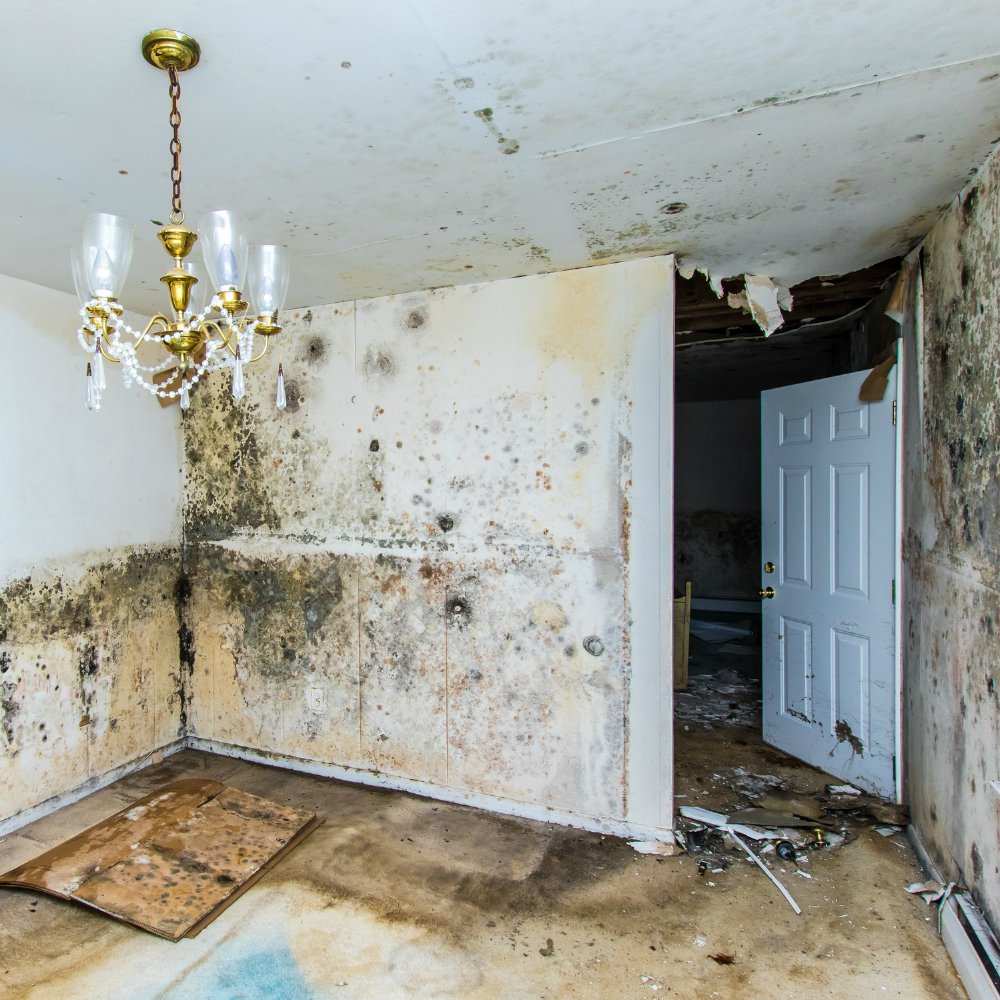
Mold FAQs in Banana River: What Merritt Island Property Owners Should Know
Living near the Banana River means enjoying waterfront views and coastal breezes—but it also means living with constant moisture. For homeowners, landlords, and property managers on Merritt Island, mold questions come up often. Many issues are not caused by a single leak or flood, but by everyday humidity, condensation, and how homes are built and cooled in a coastal environment.
This FAQ-style guide addresses the most common mold questions property owners ask in the Banana River area, with practical, experience-based answers tailored to Merritt Island conditions.
What causes mold in Banana River homes?
In most Banana River homes, mold is caused by persistent moisture, not sudden disasters. High humidity from the lagoon, overnight moisture buildup, and warm air meeting cooler surfaces all contribute.
Common triggers include:
- Indoor humidity staying elevated for long periods
- Condensation on AC components or ductwork
- Moisture migrating up through slab foundations
- Minor plumbing leaks that go unnoticed
- Storm-driven rain entering through aging seals
Because moisture is constant near the water, mold often develops slowly and quietly.
Is mold more common near the Banana River than inland?
Yes. Homes near the Banana River experience a localized humidity effect. Moist air rises off the water and moves inland, especially at night and early morning. Even when temperatures feel comfortable, moisture levels remain high.
Salt air also accelerates wear on seals, caulking, and HVAC components, allowing moisture to enter areas that were once protected. This combination makes mold more common in waterfront and near-water properties than inland homes.
Does mold always mean there is a leak?
No. Many mold issues in Merritt Island homes occur without any active leak. Humidity-driven mold is extremely common in coastal areas.
Condensation alone—on walls, ceilings, or inside HVAC systems—can provide enough moisture for mold to grow. This is why mold often appears in closets, bathrooms, and around vents even when plumbing is functioning normally.
Where is mold most often found in Banana River homes?
Some of the most common locations include:
- Bathrooms and laundry areas
- Closets on exterior walls
- Attics with limited ventilation
- HVAC air handlers, drain pans, and ductwork
- Under flooring in slab homes
- Around windows and sliding doors
Visible mold is often just the indicator. The main growth may be hidden behind walls or above ceilings.
Can mold grow even if the house looks clean?
Yes. Mold does not care how clean a home looks. It grows where moisture and organic material are present. Dust, drywall paper, insulation, and wood framing are all enough to support growth when damp.
Many well-maintained Banana River homes develop mold in hidden areas simply because humidity remains high year-round.
Is bleach effective for mold removal?
Bleach may lighten stains, but it rarely solves the problem—especially on porous materials like drywall, wood, or insulation. Moisture often remains beneath the surface, allowing mold to return.
In coastal homes, where humidity quickly comes back, bleach-based cleanup usually leads to repeat growth rather than a lasting solution.
Can mold spread through the air?
Yes. Mold releases spores that move easily through indoor air. When mold is disturbed—especially during DIY cleaning—spores can spread to other rooms or into HVAC systems.
In homes with central air, spores can circulate throughout the house, which is why mold sometimes appears in multiple areas after improper cleanup.
How do storms affect mold in Banana River properties?
Storms don’t have to cause obvious flooding to create mold problems. Wind-driven rain, brief roof or window intrusion, or short power outages that shut down AC systems can raise indoor humidity quickly.
Even when surfaces dry fast, moisture may remain trapped behind walls or under flooring—especially in slab homes near the water.
Should mold be tested before removal?
Not every situation requires testing, but inspections are important. A professional inspection focuses on:
- Identifying moisture sources
- Determining how widespread mold may be
- Locating hidden damp areas
When testing is used, results should be explained clearly and used to guide remediation—not create confusion or unnecessary concern.
Why does mold keep coming back after cleaning?
Recurring mold almost always means the moisture problem was never corrected. Cleaning removes growth but does not change humidity, condensation, or airflow issues.
In Banana River homes, long-term control depends on managing moisture, not repeated surface cleanup.
How can mold be prevented in coastal homes?
Effective prevention focuses on moisture control:
- Keep AC systems running year-round, even during vacancies
- Maintain proper indoor humidity
- Ensure bathrooms and kitchens vent outdoors
- Inspect attics and HVAC systems regularly
- Address condensation early
- Maintain exterior seals and drainage
Prevention is far more effective than repeated cleanup.
Does local experience really matter with mold?
Absolutely. Mold behaves differently in coastal environments than inland areas. Local experience means understanding how lagoon humidity, slab foundations, salt air, and seasonal weather patterns interact.
Professionals familiar with Merritt Island and Banana River homes recognize common moisture pathways faster and recommend solutions that actually last. Companies like Mold Removal Merritt Island base their approach on these local conditions rather than generic advice.
A Calm, Practical Takeaway
Mold in Banana River homes is usually a moisture-management issue, not a mystery. High humidity, condensation, and coastal exposure create conditions where mold can thrive unless they’re addressed consistently.
For Merritt Island property owners, understanding the why behind mold is the first step toward preventing it. When questions arise, a professional, locally informed evaluation can bring clarity and help protect the home long-term in a coastal environment where moisture is always part of the picture.
